
Curriculum
/prod01/channel_2/media/mccms/content-assets/academics/residencies-and-fellowships/hospice-palliative-medicine-fellowship-minnesota/overview/hospice-and-palliative-medicine-fellowship-3693645-0015-tablet.jpg)
Trainee experience
During the 12-month Hospice and Palliative Medicine APP Fellowship at Mayo Clinic in Florida, you will develop comprehensive skills in providing compassionate, patient-centered care to those with life-limiting illnesses. The program emphasizes prognostic evaluation, functional assessment, and effective symptom management, including appropriate opioid use. Fellows learn to communicate empathically with patients, families, and interdisciplinary teams, lead family and team meetings, and assist with end-of-life management and transition to hospice enrollment.
Training also covers healthcare regulations, cost-effective care, and collaboration with other professionals for diagnostics and therapeutics. Additional focus areas include research and publication in palliative medicine, advocacy for the specialty, and maintaining professional resilience and well-being while integrating patients’ cultural, spiritual, and personal values into individualized care plans.
Clinical training and rotations
The academic year is divided into 13, four-week block rotations. Your schedule will depend on your rotation block. Shifts are 8- to 12- hours, three to five days per week depending on the outpatient or inpatient schedule.
Specific rotations are listed, order may vary:
- Palliative Care Consultation Service (PCCS)
- Palliative Care Clinic
- Inpatient Palliative Care Service (IPCS)
- Hospice
- Pediatrics (COMPASS)
- IDT
- Pain Clinic
- Inpatient Wound Service + Radiation Oncology
- Medical Oncology
- Electives
Call frequency
Advanced practiec clinician fellows will not take call during the fellowship.
Didactic coursework
Didactic training is an integral part of the Hospice and Palliative Medicine Fellowship. During your training, you participate in the following conferences:
- Hospice and palliative care noon conference. Mandatory, interactive didactics that incorporate complex case discussions, as well as knowledge-based didactic sessions from faculty within and outside palliative care at Mayo Clinic in Rochester.
- Hospice and Palliative Medicine Grand Rounds. Quarterly lectures given by national and international experts in palliative care.
- Palliative care core didactics. One full day each month is dedicated to core didactic training. These didactic sessions incorporate a variety of lecture, small group, and experiential learning styles (including training in the SIM Center) to convey necessary core skills in a fun and collegial manner.
- Journal club. Monthly interdisciplinary gatherings to review and appraise contemporary research with geriatric and palliative care co-fellows that is applicable to the hospice and palliative care and geriatric populations.
External conferences
Mayo Clinic has outstanding trip support for fellows.
- AAHPM: Fellows are strongly encouraged to participate in the American Academy of Hospice and Palliative Medicine (AAHPM) Annual Assembly. All participation costs, including registration, hotel, transportation, and meals, are covered by the fellowship. Trip days to attend AAHPM are accounted for within the curriculum and do not require use of vacation days.
Research training
Research opportunities abound at our world-class academic medical center. You are expected to participate in scholarly activities, including completion of a mentored quality improvement project in coordination with your co-fellows.
Teaching opportunities
Opportunities are available for you to teach rotating residents, medical students, and advanced practice provider trainees. In addition, advanced practice fellows are charged with the provision of a didactic session to the palliative care faculty that is of interest to the fellow and applicable to the palliative care and hospice populations.
Department and faculty
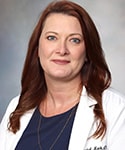 |
Rachel Mack, APRN |
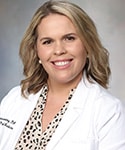 |
Chimere Bruning, P.A.-C. |
_30240123_20230130.jpg) |
Kate McLaughlin, APRN |
Evaluation
Mayo Clinic School of Health Sciences uses these evaluative tools:
- Written examination
- Demonstration of skills
- Self-assessment exercises
- Faculty reviews
To ensure that you acquire adequate knowledge and develop the appropriate technical skills to meet program expectations, your performance is monitored carefully during the Hospice and Palliative Medicine Fellowship. You are formally evaluated by supervising faculty members after each clinical rotation and meet with the program director to review these evaluations. In addition, you regularly evaluate the faculty to confirm that your educational needs are being met.