
Meet Our Fellows
The Advanced Esophageal Disease Fellowship at Mayo Clinic in Arizona recruits trainees from the U.S. and around the globe. Learn more about our current fellow below.
Fangfang Wang, M.D.
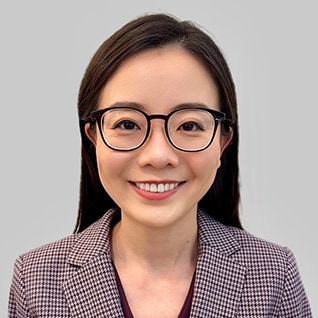 Medical school: University of Nebraska Medical Center College of Medicine, Omaha, NE
Residency: Internal Medicine Residency, Mayo Clinic Arizona, Phoenix, AZ
What attracted you to gastroenterology? I was drawn to gastroenterology because it combines complex physiology, long-term patient relationships, and multidisciplinary collaboration. I became especially interested in esophageal disorders, where combining careful clinical evaluation with advanced physiologic testing can reveal the underlying mechanisms of disease and directly shape patient care. I also appreciate that the field is constantly evolving, with countless opportunities to improve how we diagnose and treat patients through research and innovation.
What attracted you to Mayo Clinic for fellowship training? Mayo Clinic's collaborative culture, patient-centered approach, and strong commitment to education and research made it the ideal place for my training. After completing both my internal medicine residency and gastroenterology fellowship here, I experienced firsthand the outstanding mentorship, multidisciplinary teamwork, and opportunities to pursue meaningful clinical research. Those experiences confirmed that Mayo Clinic was the right place for me to continue my training and work toward my goal of becoming an academic esophagologist.
What makes Mayo Clinic's Esophageal Diseases Fellowship unique? The Esophageal Diseases Fellowship offers outstanding exposure to a wide range of complex esophageal disorders while providing comprehensive training in advanced physiologic testing, therapeutic endoscopy, and multidisciplinary care. The combination of nationally recognized faculty, a high-volume referral practice, and a strong emphasis on translational research creates an exceptional environment for developing expertise in esophageal disease. Just as importantly, the fellowship offers opportunities to collaborate with experts across Mayo Clinic campuses and other renowned instructors, fostering both clinical and research innovation.
What does your future look like right now? After fellowship, I plan to pursue a career in academic esophagology with a focus on advancing the diagnosis and management of esophageal diseases. My long-term goal is to develop less invasive, more accessible physiologic diagnostic tools and biomarkers that improve how we diagnose and monitor these conditions. I hope to build a career that combines patient care, research, education, and innovation while helping train the next generation of gastroenterologists.