
Meet Our Fellows
The Complex Benign Gynecology Fellowship in Jacksonville, Florida, draws trainees from across the U.S. and around the world. While all our trainees have a love of learning and a compassionate approach to patient care, they come from diverse backgrounds, family status, and professional and personal interests. Learn more about our current fellows.
Eunjae Lee, M.D.
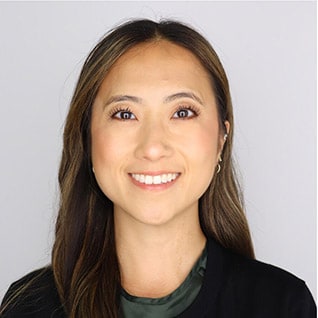 PGY-5
PGY-5
Hometown: Bethesda, MD
Medical school: Temple University Lewis Katz School of Medicine
Residency: Lankenau Medical Center
Why did you choose to specialize in Complex Benign Gynecology (CBG)?
I really enjoy the combination of complex surgical planning, problem-solving, and patient care. I love that the field requires you to think several steps ahead, anticipate challenging anatomy, and collaborate with other surgical specialists when needed.
I’m also passionate about increasing access to minimally invasive surgery and finding ways to offer MIS approaches to patients who may otherwise have required a more invasive surgery. Ultimately, I love that this field combines challenging surgery with the opportunity to make a meaningful difference in patients’ quality of life.
What attracted you to Mayo Clinic for fellowship training?
There is exposure to a wide variety of surgical techniques, as well as the welcoming community of faculty and fellows I experienced during my interviews!
What makes the CBG fellowship at Mayo Clinic unique?
You truly get the full breadth of training here at Mayo Clinic in Florida, with the opportunity to work alongside gynecologic oncologists, urogynecologists, and CBG surgeons. Because Mayo serves as a referral center, you also see a wide variety of complex cases, with many patients traveling from out of state for specialized care. On top of the clinical experience, there are also so many resources, opportunities, and support systems available to you throughout your time as a fellow.
What is living in Jacksonville like for you?
I moved down from the Northeast, so I’m absolutely loving the warm weather! I’ve also been having so much fun exploring the different neighborhoods in Jacksonville—it’s been such an exciting experience getting to know the area. And of course, I definitely love being so close to the beach!
What does your future look like right now?
I hope to soak up as much knowledge as I can from my attendings and ultimately become a skilled, confident surgeon who is prepared to take on complex cases and make a meaningful difference in my patients’ lives. Wherever I end up, I hope to mentor future trainees and use my skills, network, and resources to expand access to minimally invasive surgery for more patients.
Maria Ortiz-Fullana, M.D.
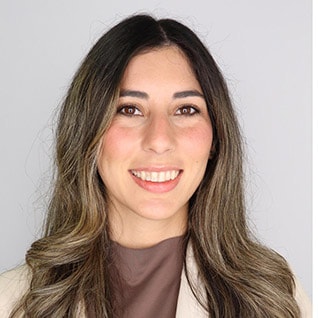 PGY-5
PGY-5
Hometown: Manatí, Puerto Rico
Medical school: Universidad Central Del Caribe
Residency: University of Puerto Rico
Why did you choose to specialize in Complex Benign Gynecology (CBG)?
I enjoy caring for patients with conditions like endometriosis, fibroids, adenomyosis, and chronic pelvic pain, which can have such a significant impact on quality of life. I’m especially drawn to learning different surgical approaches to treat these conditions while still providing individualized care and making a meaningful difference in patients’ everyday lives.
What attracted you to Mayo Clinic for fellowship training?
There is a strong focus on patient care, the variety and complexity of cases, and the opportunity to train at a well-known institution. I also really valued the chance to learn from experienced surgeons and continue developing my surgical expertise throughout fellowship.
What makes the CBG fellowship at Mayo Clinic unique?
The combination of high surgical volume, exposure to complex benign gynecologic conditions, and a truly multidisciplinary approach to care. We also get broad surgical exposure including open, vaginal, straight-stick laparoscopy, and robotic surgery.
What is living in Jacksonville like for you?
For me, it has been a great balance between work and quality of life. I enjoy being close to the beach, having plenty of outdoor activities and restaurants to explore, and still having a relaxed feel outside of the hospital. I also really value being relatively close to home in Puerto Rico, with easy flight access that makes it easier to stay connected with family and friends during fellowship.
What does your future look like right now?
Right now, I see my future focused on becoming a skilled, well-rounded pelvic surgeon and eventually bringing that expertise back to Puerto Rico. I hope to build a practice centered on complex benign gynecology and minimally invasive surgery, while also staying involved in education, mentorship, and leadership.
Eric Messer Shuffle, M.D.
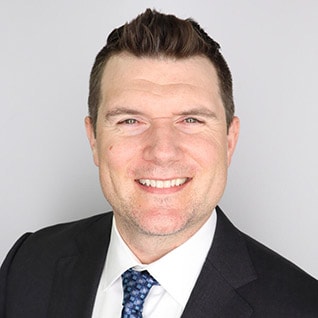 PGY-6
PGY-6
Hometown: Saratoga, CA
Medical school: University of Queensland
Residency: University of Toledo
Why did you choose to specialize in Complex Benign Gynecology (CBG)?
It offers a unique opportunity to combine surgical precision, cutting-edge technology and patient-centered care. I’m especially interested in how robotic-assisted surgery is advancing the management of complex gynecologic conditions like uterine fibroids and endometriosis. These are conditions that can significantly affect a patient's quality of life, fertility, and overall health—and I find it incredibly rewarding to help patients find relief through minimally invasive approaches.
Robotic surgery, in particular, allows for greater dexterity, visualization, and precision in challenging anatomical spaces. I’ve seen how this technology can improve outcomes in patients who might otherwise require open procedures—especially those with distorted anatomy, deep infiltrating endometriosis, or large or multiple fibroids. The ability to offer effective, less invasive treatment with faster recovery times aligns with the kind of thoughtful, evidence-based, and compassionate care I want to provide.
Moreover, CBG represents a field of constant innovation, which excites me both intellectually and technically. It allows me to pursue excellence in surgical skill while also being an advocate for better care for women with historically under-recognized and under-treated conditions.
What attracted you to Mayo Clinic for fellowship training?
There is a deep commitment to excellence in patient care, surgical innovation, and academic mentorship. As someone who is passionate about advancing minimally invasive options for patients with complex gynecologic conditions, I believe Mayo offers the ideal environment to refine both my technical skills and clinical judgment.
What stands out to me is the integrated, multidisciplinary model of care that the Mayo Clinic is known for. This collaborative approach is especially valuable in the management of endometriosis and fibroids, where coordination across specialties—radiology, pain management, reproductive endocrinology, and colorectal surgery—can dramatically impact outcomes. I’m eager to learn in a system that prioritizes comprehensive, patient-centered care.
Additionally, the volume and complexity of surgical cases at Mayo would allow me to grow technically, particularly in advanced laparoscopic and robotic procedures. I’m also excited by the strong emphasis on education and research. I want to train in an environment where clinical excellence goes hand-in-hand with academic curiosity—where I can contribute to research that advances the field and teaches future learners.
Ultimately, I see Mayo as a place where I can become the kind of surgeon I aspire to be: technically excellent, evidence-driven, and deeply committed to improving the lives of women through minimally invasive care.
What makes the CBG fellowship at Mayo Clinic unique?
The CBG Fellowship stands out for its high surgical volume, advanced robotic and laparoscopic training, and its strong academic and multidisciplinary foundation. With access to world-class simulation centers, anatomy labs, protected research time not to mention world-class surgeons. This program fosters both surgical excellence and scholarly growth. The collaborative, team-based culture across multiple national campuses provides exposure to complex pathology in a patient-centered, referral-based setting, while also encouraging teaching, mentorship, and leadership development. This unique combination of technical rigor, academic support, and a commitment to innovation makes Mayo an ideal environment to train as a future leader in minimally invasive gynecologic surgery.
What is living in Jacksonville like for you?
It has felt like being home again. The warm, coastal environment—with its beautiful beaches, year-round sunshine, and abundance of outdoor activities—gives me the same sense of ease and connection to the natural coastlines of California where I grew up. Whether it's an early morning run on the beach, kayaking through the Intracoastal Waterway, or just watching the sunset over the water, I find it grounding and rejuvenating. What truly makes Jacksonville special, though, is its rich blend of multilingual and multicultural communities. The community’s rich mix of cultures is reflected in the local food, music, and art scenes—from vibrant Latin festivals to international cuisine that reminds me of the cultures of home. It’s a city that feels inclusive and alive, and I’ve found both community and comfort here in ways that feel deeply familiar.
What does your future look like right now?
Right now, my future in CBG is centered on becoming a surgeon who not only provides technically advanced, minimally invasive care but also actively contributes to innovation and equity in women’s health. I envision practicing in a setting that prioritizes research, education, and collaboration—where new technologies and approaches are used to improve outcomes for conditions like fibroids, endometriosis, and chronic pelvic pain. Just as importantly, I want to serve a diverse patient population in a health system that recognizes and addresses longstanding disparities in access, diagnosis, and treatment. My goal is to be part of a team that empowers patients through compassionate care, while also advocating for systemic changes that improve gynecologic health for all women.