
Meet Our Fellows
/prod01/channel_2/media/mccms/content-assets/academics/residencies-and-fellowships/urologic-oncology-fellowship-minnesota/mccms-urologic-oncology-fellowship-mn-1024X512-WF3548936_0032.png)
The Urologic Oncology Fellowship draws trainees from across the U.S. and around the world. While all our fellows have a love of learning and a compassionate approach to patient care, they come from diverse backgrounds, family status, and professional and personal interests.
Class of 2026
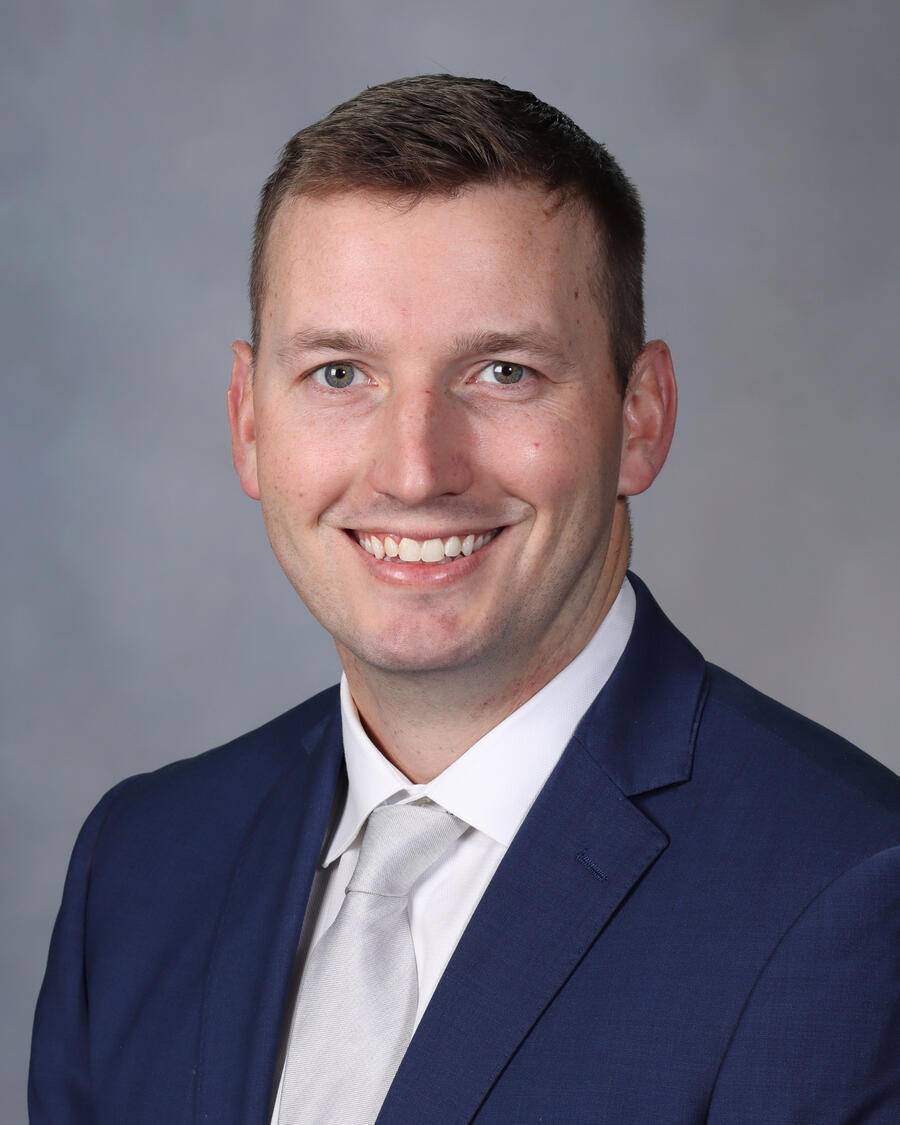 |
Matt McLeay, M.D.Hometown: Omaha, Nebraska Medical school: University of Missouri Residency: University of Kansas Medical Center Hobbies: Outside of work, I enjoy spending time with my wife, playing with my dogs, running, basketball, golf, grilling and barbecuing, and watching football. Why Mayo? I chose Mayo for the people and the opportunities that are offered here. The consultants are very invested in our success and exposes us to the leaders in the field from both a research and clinical perspective. What was the most surprising part of the program? I have been amazed about the support for the programs outside of the fellowship program such as the clinical trials certificate course and the innovation academy which I am taking part of currently. |
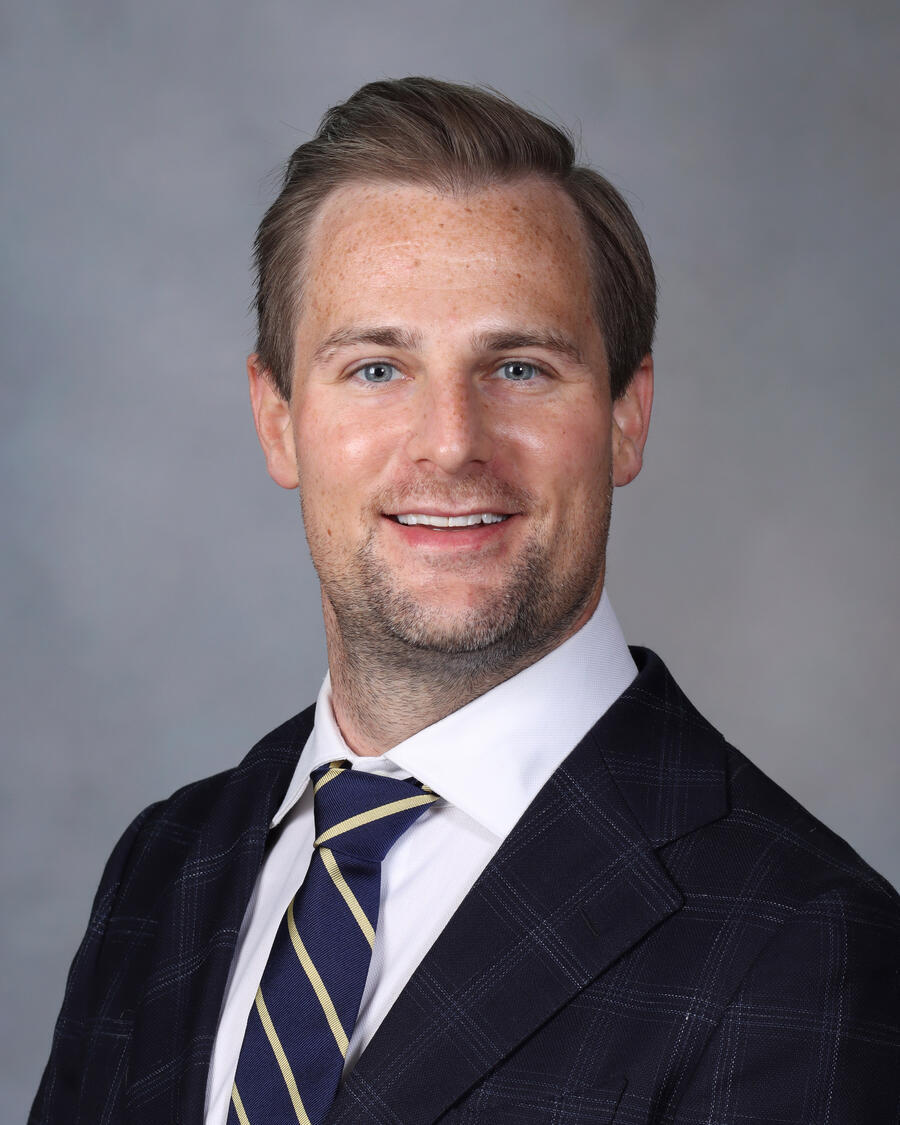 |
Daniel Roberson, M.D.Hometown: New Providence, New Jersey Medical school: Drexel University College of Medicine Residency: University of Pennsylvania Hobbies: Playing tennis, Spending time with my wife, Mary Catherine, and our Samoyed (dog), chowder, and fishing Favorite things to do in Rochester? Farmer’s market, Tennis at the RAC, Thursday downtown during the summer, not hitting any traffic when driving and ice skating Why Mayo? Preceptorship model fosters deep relationship building and learning both in and out of the OR with world class surgeons/thought leaders/researchers/mentors in all disciplines of urologic oncology. Mayo is a very well-resourced institution with unparalleled research infrastructure/support and countless opportunities to take advantage of in all facets of SUO fellowship training. The culture at Mayo is very positive, collaborative, and everyone who works here is genuinely excited to take the best care possible of patients and advance the field of medicine while also prioritizing individual wellness. Rochester, while cold, is an incredible place to live: people are very friendly, it is easy to get around, it has everything you in a small city, it is very close to the twin cities, and it is relatively inexpensive compared to the northeast or west coast. |
Class of 2027
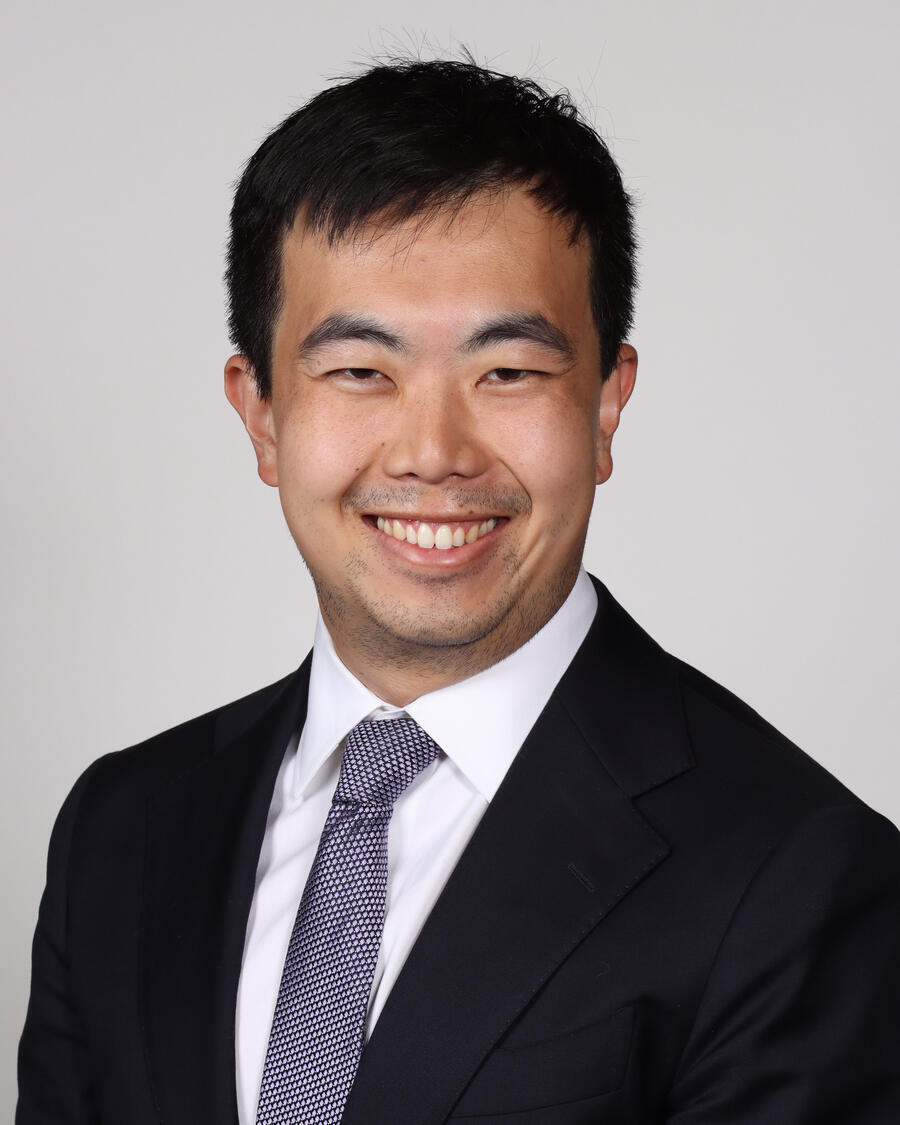 |
Eric Li, M.D.Hometown: Montville, New Jersey Medical school: Northwestern University Feinberg School of Medicine Residency: Northwestern University Feinberg School of Medicine Hobbies: CrossFit, running, cooking, playing with my two cats and dog Why Mayo? Mayo offers unrivaled combination of research, surgical training, and mentorship. For my dedicated research year, I have research interests in applications of artificial intelligence, for which Mayo has already made significant advances in digital pathology, radiomics, and surgical AI. For the clinical year, fellows have exposure to complex, diverse pathology and engage in multidisciplinary oncology care, receiving surgical training with both open and minimally invasive approaches. Most importantly, I felt an instant connection with the faculty here and they have welcomed me to the Mayo family from my first day here. |
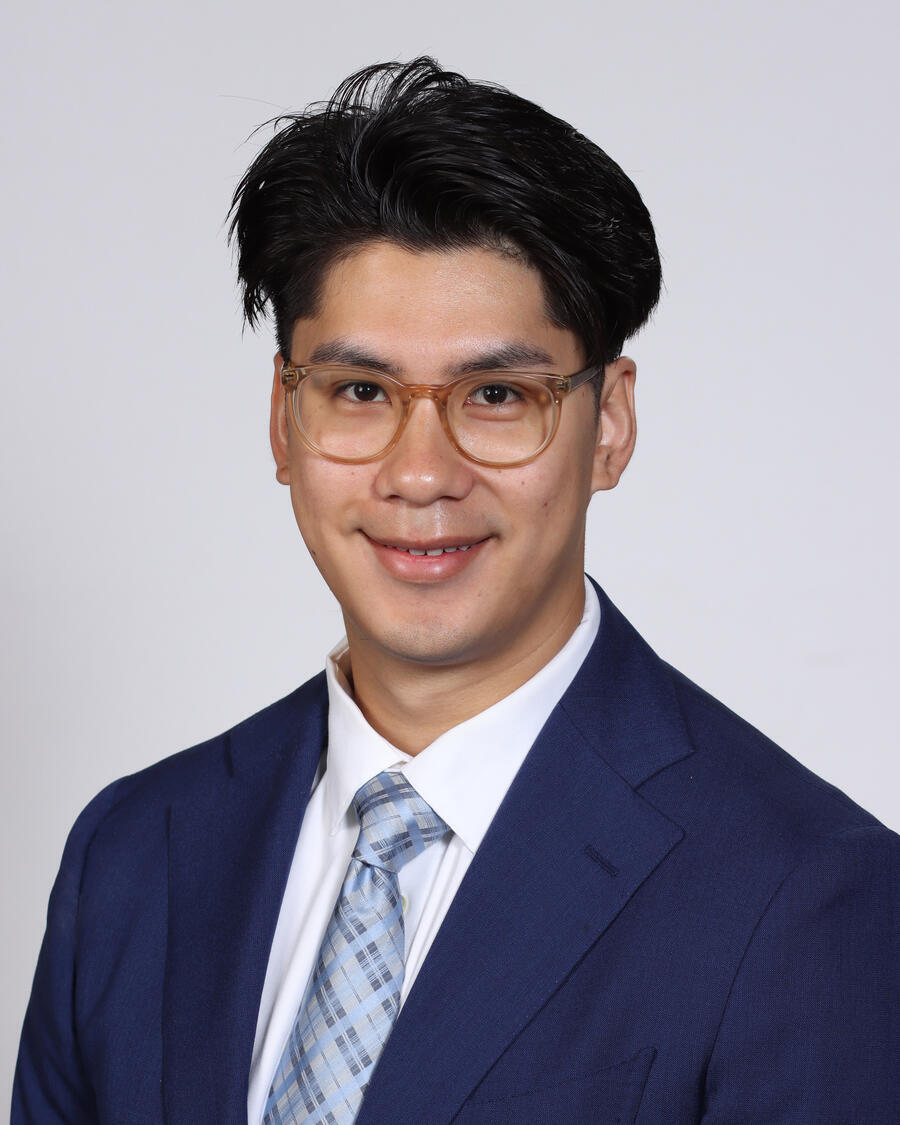 |
Michael Wang, M.D.Hometown: Vancouver, BC, Canada Medical school: Case Western Reserve University Residency: Wayne State University Hobbies: Spending time with my wife and three cats, eating and exercising, traveling, spending time with friends Why Mayo? The Urologic Oncology program at Mayo Clinic is truly unparalleled. During our dedicated research year, we’re offered a wide range of cutting-edge opportunities—from basic science projects involving extracellular vesicles, to translational studies leveraging artificial intelligence, to health services research using registries and databases. Throughout, we benefit from consistent mentorship and guidance that empower us to pursue our individual interests and ideas. Clinically, the mentorship model fosters meaningful autonomy across all phases of patient care—preoperative, intraoperative, and postoperative. The exposure to advanced, complex, and multidisciplinary surgical cases prepares us to confidently manage a broad spectrum of operative scenarios in the future, both open and robotically. |