
Overview
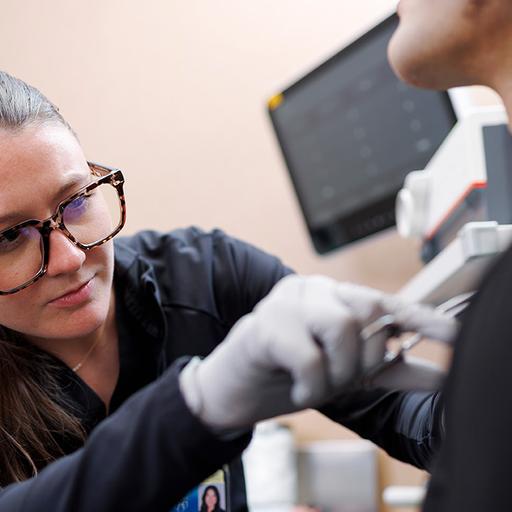
Mayo Clinic School of Health Sciences offers a 12-month Speech Language Pathology Clinical Fellowship in Acute Care at Mayo Clinic's campus in Phoenix, Arizona. The program trains highly-qualified graduate students to become skilled, compassionate, and efficient providers.
Program highlights
Our curriculum contains diverse didactic instruction and direct patient care clinical experience, embedded in the foundation of Mayo Clinic — excellence in patient care, education, and research. This program provides the training needed to provide the utmost quality of care to acute care patients.
Completion and certification
Successful completion of the clinical fellowship experience will be confirmed by your clinical educator per the requirements of ASHA to obtain the Certificate of Clinical Competence in Speech-Language Pathology. Additionally, upon successful completion of the fellowship, you will receive a Certificate of Completion from Mayo Clinic School of Health Sciences.
Accreditation information
See accreditation information for Mayo Clinic College of Medicine and Science.
Program goals
Our program goals are consistent with the American Speech-Language-Hearing Association (ASHA) guidelines for the speech-language pathology clinical fellowship as outlined in the 2020 Standards and Implementation Procedures for the Certificate of Clinical Competence in Speech-Language Pathology.
ASHA goals
These ASHA-specific goals are to:
- Integrate and apply theoretical knowledge to clinical practice and patient care for neurologically impaired and medically complex patient populations in the acute care setting.
- Evaluate strengths and identify limitations:
- In patient care.
- In self-assessment of clinical skills and knowledge.
- Refine clinical skills within the Scope of Practice in Speech-Language Pathology.
- Apply the ASHA Code of Ethics to independent professional practice.
- Demonstrate the ability to perform clinical activities accurately, consistently, and independently, while recognizing when consultation or additional guidance is appropriate.
Fellowship goals
Goals specific to this fellowship include:
- Develop independent clinical skills in the evaluation and management of swallowing disorders in neurologically impaired and medically complex patients across the acute care continuum.
- Demonstrate independent ability to perform and interpret instrumental swallowing assessments, including flexible endoscopic evaluation of swallowing (FEES) and videofluoroscopic swallow studies (VFSS/modified barium swallow studies), and integrate findings with the patient's medical status, neurologic presentation, and goals of care.
- Develop expertise in the assessment and treatment of acquired communication disorders associated with neurologic injury and disease, including aphasia, dysarthria, apraxia of speech, and other motor speech and language disorders.
- Develop expertise in the assessment and management of cognitive-communication disorders affecting attention, memory, executive functioning, problem-solving, awareness, and functional communication in patients with acute neurologic injury or illness.
- Recognize the impact of neurologic status, respiratory status, level of alertness, delirium, medications, medical interventions, and overall medical complexity on swallowing, communication, cognition, and readiness for assessment and treatment.
- Develop and implement appropriate, individualized, and evidence-based treatment plans based on comprehensive assessment of swallowing, communication, motor speech, and cognitive-communication function.
- Integrate clinical findings with neuroimaging, neurologic examination findings, medical history, respiratory status, and other relevant diagnostic information to support clinical decision-making and interdisciplinary care.
- Develop competency in the evaluation and management of patients across a range of neurologic diagnoses and levels of acuity, including stroke, traumatic brain injury, brain tumors, neurosurgical conditions, seizures, encephalopathy, progressive neurologic disease, and other conditions affecting swallowing, communication, and cognition.
- Develop clinical decision-making skills for patients with complex airway and respiratory needs, including patients requiring mechanical ventilation, tracheostomy, supplemental oxygen, or other respiratory support, as appropriate to the SLP scope of practice.
- Identify changes in neurologic, respiratory, swallowing, communication, or cognitive status that warrant modification or discontinuation of an assessment or treatment session and communicate clinically significant findings to the appropriate medical team members.
- Provide timely, accurate, and clinically meaningful documentation that reflects individualized patient care, clinical reasoning, recommendations, education, and plans for follow-up.
- Develop effective patient and caregiver education strategies regarding swallowing safety, communication supports, cognitive-communication needs, compensatory strategies, prognosis, and recommendations for the next level of care.
- Demonstrate effective communication and collaboration within a multidisciplinary acute care team, including neurologists, neurosurgeons, hospitalists, intensivists, physiatrists, nurses, respiratory therapists, dietitians, physical therapists, occupational therapists, radiologists, case managers, and other members of the healthcare team.
- Contribute to interdisciplinary decision-making regarding nutrition and hydration, aspiration risk, communication access, rehabilitation needs, discharge planning, and recommendations for continued speech-language pathology services across levels of care.
- Develop skills in determining appropriate recommendations for discharge and continuity of SLP care, including acute inpatient rehabilitation, skilled nursing, outpatient rehabilitation, home health, and other post-acute settings.
- Participate in clinical research, quality improvement, case presentations, interdisciplinary education, and/or student learning opportunities relevant to neurogenic communication disorders, cognitive-communication disorders, dysphagia, and acute care practice.
- Consistently incorporate current evidence, patient-specific factors, clinical expertise, and interdisciplinary input into clinical problem-solving and decision-making.
- Progress toward independent, efficient, and evidence-based practice as a speech-language pathologist specializing in neurologic and acute care populations while appropriately seeking consultation for complex or unfamiliar clinical situations.

Quick facts
Program length: 1 year. Class size: 1 fellow per year. Granted: Certification of completion.
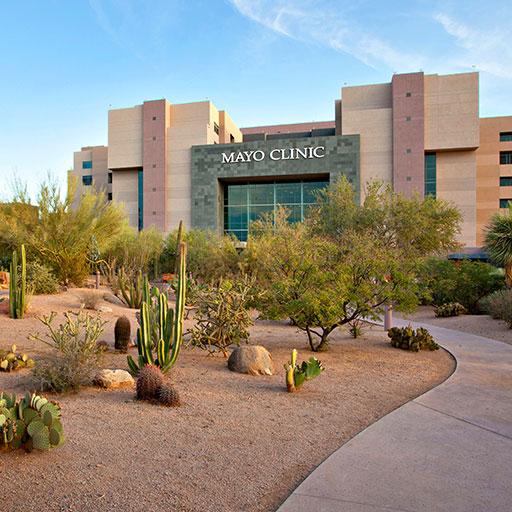
Phoenix/Scottsdale, AZ

How to apply
Take your next steps and learn more about the application process