
/360x0:1080x720/prod01/channel_2/media/mccms/content-assets/academics/residencies-and-fellowships/epilepsy-fellowship-fl/1440X720_Epilepsy-Fellowship-FL-consultant-image-WF5147257_0051.jpg)
Overview
The Epilepsy Fellowship at Mayo Clinic in Florida is a one-year advanced training program in epilepsy and electroencephalography (EEG) designed to prepare fellows for independent clinical practice. The program is rooted in Mayo Clinic’s patient-centered, multidisciplinary model of care and meets ACGME core competency standards through supervised, progressive clinical responsibility.
Fellows receive comprehensive training in the medical and surgical management of epilepsy, including advanced EEG interpretation, inpatient video-EEG and ambulatory monitoring, intraoperative neurophysiologic recording, presurgical epilepsy evaluation, epilepsy surgery, and neuromodulation therapies.
Education is delivered through multidisciplinary epilepsy conferences, surgical planning conferences, and focused didactics, with close faculty mentorship and graduated autonomy. Fellows work collaboratively with neurosurgery, neuroradiology, neuropsychology, and allied epilepsy specialists.
The program includes protected research time and access to Mayo Clinic’s research infrastructure, supporting scholarly activity, quality improvement, and career development. Overall, the fellowship provides a balanced clinical, educational, and research experience in a high-volume academic epilepsy center.
faculty-to-trainee ratio
per year
hospital in Florida (U.S. News, 2025-26)
Accreditation, certification, program history
Accreditation
The Epilepsy Fellowship is accredited by the Accreditation Council for Graduate Medical Education.
Certification
When you complete this fellowship, you will be eligible for the epilepsy subspecialty certification examination offered by the American Board of Psychiatry and Neurology.
Program history
The Epilepsy Fellowship at Mayo Clinic in Florida was approved in 2025. The program welcomes its first fellow in 2027 and is designed to train one fellow per year.
Application process
Positions
At Mayo Clinic’s Florida campus, two distinct fellowship positions are offered — Clinical Neurophysiology (CNP) with an EEG track, and Epilepsy. One Epilepsy Fellowship position is available each year on a competitive basis. Fellows may elect to complete the CNP (EEG track) and Epilepsy fellowships sequentially over two years, thereby becoming eligible for board certification in both subspecialties.
Qualifications
- To be eligible for the Epilepsy Fellowship, you must be enrolled in or have completed an accredited adult or child neurology residency in the United States or Canada.
- Applicants also must be qualified to take the American Board of Psychiatry and Neurology Certifying Examination.
- Fellowship appointees are required to obtain and maintain an appropriate medical license while enrolled in the Mayo Clinic School of Graduate Medical Education.
Also see general admissions requirements.
How to apply
The academic year begins July 1. Applications and all supporting materials must be submitted by January of the year preceding the intended start date.
Mayo Clinic School of Graduate Medical Education does not accept printed applications. Applicants must apply through ERAS, the third-party application service. This program participates in the NRMP Match.
All applications must include the standard materials required by Mayo Clinic School of Graduate Medical Education. In addition, this program requires a letter of recommendation from the applicant’s residency program director or department chair.
ECFMG J-1 and H-1B visa sponsorship will be considered. Per U.S. Citizenship and Immigration Services regulations, international medical graduates holding J-1 visas may complete only one year of fellowship training in Epilepsy, as these fellowships are accredited for one year by the ACGME.
Selected applicants will be invited for a personal interview with the program director and faculty. Interviews are typically conducted between December and March.
Curriculum
Clinical training
The Epilepsy Fellowship begins with a two-month Clinical Neurophysiology Introductory Course, covering all areas of clinical neurophysiology with emphasis on the anatomy, physiology, pathophysiology, and neurophysiologic features of disease.
Throughout the fellowship, fellows rotate between the EEG laboratory and inpatient and outpatient epilepsy services, gaining comprehensive clinical and procedural experience.
Rotation schedule
| Block | Rotation |
|---|---|
| 1 | CNP |
| 2 | EEG a.m./CNP p.m. |
| 3 | AEMU |
| 4 | EPC |
| 5 | EEG |
| 6 | SIMS |
| 7 | EPC |
| 8 | AEMU |
| 9 | PEMU a.m./PEPC p.m. |
| 10 | EEG |
| 11 | AEMU |
| 12 | Elective |
| 13 | Elective |
Legend of rotation name abbreviation:
- AEMU = Adult epilepsy monitoring unit
- AEPC = Adult epilepsy clinic
- CNP = Clinical neurophysiologycourse-training
- EEG = Electroencephalography
- PEMU = Pediatric epilepsy monitoring unit
- PEPC = Pediatric epilepsyclinic
- SEC= Symptomatic epilepsy clinic (autoimmune, braintumor, dementia,and stroke)
- SIMS = Surgical or ICU EEG monitoring service
Electives
- Research
- IOM (lntraoperative monitoring)
- Advanced post-processing of epilepsy imaging and curry source localization
- Neuroradiology of epilepsy
- Sleep medicine
Rotation descriptions
EEG rotations: EEG training is an integral part of the fellowship. Fellows interpret a large volume of EEGs from adults and children with epilepsy and related disorders. You gain progressively independent responsibility, including:
- Managing complex EEG cases and emergencies
- Performing and supervising prolonged EEG and intraoperative monitoring
- Teaching residents and presenting lectures and seminars
Fellows are exposed to a wide range of seizure types and monitoring techniques, including routine, ambulatory, prolonged, and pre-surgical EEG, as well as intraoperative and extraoperative intracranial EEGs. Our EEG lab performs over 2,000 routine EEGs and more than 250 ambulatory EEGs annually, providing extensive clinical experience.
Epilepsy rotations: During epilepsy rotations, fellows care for patients on the inpatient epilepsy monitoring service, in the outpatient epilepsy clinic, and through hospital consultations. Clinical experience includes:
- Prolonged EEG monitoring in ICU patients
- Planning and interpretation of intracranial EEG recordings for pre-surgical evaluation
- Management of new-onset and refractory epilepsy in both adult and pediatric patients
Fellows also participate in:
- Amytal/Wada testing
- Intraoperative monitoring
- Video EEG recordings
The schedule balances inpatient and outpatient experiences to ensure comprehensive exposure. Responsibilities increase progressively, preparing fellows to perform these activities independently by the end of training.
Specialized rotation experiences
EEG Laboratory:
- Interpretation of routine and ambulatory EEGs in adults and children
- Exposure to diverse clinical scenarios and EEG findings
Surgical and ICU Monitoring Service (SIMS):
- Monitoring adult ICU patients
- Intraoperative EEG for vascular surgeries
- Electrocorticography, stimulation mapping, and stereoelectroencephalography (SEEG)
Epilepsy Monitoring Units (EMU):
- Adult and pediatric EMU rotations throughout the year
- Evaluation of patients for drug-resistant epilepsy and pre-surgical planning
- Case presentations at weekly surgical epilepsy conferences
Epilepsy Clinic:
- Continuity clinics for adult or pediatric patients
- Integration of EEG interpretation with clinical management
- Hands-on experience in the medical and surgical care of epilepsy patients
Epilepsy electives: As part of ACGME accreditation, you must have epilepsy-related electives of your choice. Elective options include the following:
- Research
- IOM-(lntraoperative monitoring)
- Advanced post-processing of epilepsy imaging and curry source localization
- Neuroradiology of epilepsy
- Sleep medicine
Didactic training
In addition to a two-month intensive introduction to clinical neurophysiology, you participate in clinical conferences, lectures, lecture-demonstrations, journal club sessions, seminars, and small discussion groups as part of the curriculum.
You also attend additional seminars and conferences related to EEG and epilepsy care, including:
- sEEG Planning Conference (monthly)
- Epilepsy Surgical Conference (weekly)
- Interesting EEG Conference (biweekly)
- ICU EEG Conference (monthly)
- Epilepsy Division Tri-Site Video Conference (quarterly)
- Outcome Case Presentations (quarterly)
Other weekly seminars and conferences in neurology, neuropathology, and pediatric neurology may also be attended.
Research opportunities
You are expected to complete at least one investigative project during your training. The choice of project depends on your interests, skills, and available time. Opportunities exist for collaborative studies with other clinical and basic science departments at Mayo Clinic.
You are also expected to present your research at a scientific meeting or prepare it for publication in a scientific journal. This experience develops skills in critically evaluating research and understanding the principles and conduct of scientific investigation. Mayo Clinic supports fellows by covering travel, hotel, and registration expenses for presenting research conducted during the fellowship.
Call frequency
Your call schedule will vary by individual rotation. Mayo Clinic follows the recommendations of the Accreditation Council for Graduate Medical Education (ACGME) and complies with ACGME's duty hour requirements.
Belonging
At Mayo Clinic, we foster an inclusive working environment and embrace the diversity of all our trainees, faculty, staff, and patients. Our Office of Belonging offers tremendous resources to support our mission of maintaining a welcoming atmosphere for all our employees, including our learners. We strive to provide culturally appropriate care and do our part to reduce healthcare disparities.
/0x0:1440x480/prod01/channel_2/media/studio-sites/mccms-reference-guide/1440X4801573348-380187-2-0024.jpg)
Video: See yourself at Mayo Clinic
5:33
From the program director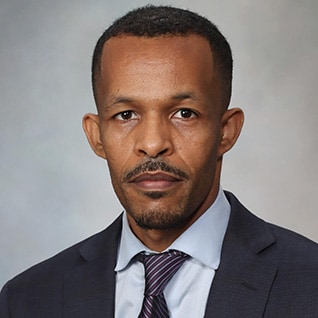
The Epilepsy Fellowship at Mayo Clinic’s Florida campus is designed to cultivate future world-class epileptologists who will make meaningful contributions as clinicians, educators, and researchers. Our mission is to train experts capable of delivering the highest quality care to a diverse patient population while advancing the understanding of epilepsy through clinical practice, education, and research. We actively encourage and support scholarly pursuits, including research.
Our rigorous curriculum fosters mastery in both surface and intracranial electroencephalography, clinical epilepsy, advanced imaging interpretation, and multidisciplinary management. Under the guidance of our expert clinicians, you will graduate with the skills to develop independent, evidence-based diagnostic and care plans.
Mentored scholarship is an essential component of our program. Fellows will have the opportunity to conduct research under the guidance of leaders in the Division of Epilepsy, as well as in Neurosurgery, Neuroradiology, Psychology, Neuroimmunology, and Medical Genetics.
We look forward to welcoming you and supporting your role in shaping the future of epilepsy care. On behalf of our outstanding physician-educator faculty, I am personally committed to your success.
Anteneh Feyissa, M.D.
Fellowship Program Director
Department and faculty
Department
The Department of Neurology at Mayo Clinic in Florida is dedicated to providing advanced, expert care for conditions of the brain, spine, and nervous system. Our team of specialists utilizes advanced diagnostic tools, cutting-edge techniques, innovative therapies, and clinical trials developed by world-class experts to deliver accurate diagnoses and personalized treatment plans. Our collaborative, team-based approach ensures that patients benefit from the combined expertise of multiple specialists working seamlessly together.
Subspecialized care is a hallmark of Mayo Clinic. High patient volumes mean that rare conditions are not rare to us, and our team has extensive experience diagnosing and treating even the most uncommon neurologic disorders. The Mayo Clinic Epilepsy Center in Jacksonville, Florida, is a Level 4 center accredited by the National Association of Epilepsy Centers. The Division of Epilepsy is composed primarily of adult neurologists with specialized training in seizure disorders, working closely with colleagues in neurosurgery, nursing, neuroradiology, nuclear medicine, clinical neurophysiology, and neuropsychology.
The clinic provides comprehensive medical and surgical management for patients of all ages. Annual clinical volumes include approximately 2,000 outpatient EEGs, 1,500 prolonged inpatient and ICU video EEG studies, more than 200 epilepsy monitoring unit admissions, and over 70 extra- and intraoperative intracranial EEGs. The epilepsy surgery program is highly collaborative, integrating neurologists, neurosurgeons, neuropsychologists, and neuroradiologists. Weekly epilepsy surgery and stereoelectroencephalography (SEEG) planning conferences guide patient care. SEEG monitoring supports a wide range of therapeutic interventions, including resections, disconnections, minimally invasive laser interstitial thermal therapy, SEEG-guided radiofrequency ablation, and neuromodulation.
Faculty
The Epilepsy Fellowship is supported by five clinician faculty members and additional non-clinician faculty.
In addition to caring for patients in their clinical practices, Mayo Clinic's faculty members are committed to teaching and facilitating the growth of medical knowledge. You will have direct access to these individuals throughout your training program.
Advisers and mentors
Any of the divisional faculty may serve as your faculty adviser to provide comprehensive educational advice and personal support. Your adviser also serves as a contact point, introducing you and your family to Jacksonville and the Mayo Clinic system.
Visiting professors
Many prominent professors visit Mayo Clinic each year and present their work during lectures. Residents and fellows are encouraged to take full advantage of these opportunities to interact with experts from other academic centers and are relieved from clinical assignments to do so.
Meet the faculty
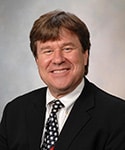 |
William Tatum, DO., Professor of NeurologyDr. Tatum specializes in epilepsy, including drug-resistant, generalized, focal, autoimmune, and status epilepticus. His expertise encompasses epilepsy surgery, neuromodulation, EEG (scalp and intracranial), video-EEG monitoring, intraoperative neurophysiologic monitoring, electrocorticography, functional brain mapping, ICU EEG, evoked potentials, and clinical trials of drugs and devices. Board-certified in neurology, clinical neurophysiology, and epilepsy, he is a Fellow of the American Academy of Neurology, the American Neurological Association, and the American Clinical Neurophysiology Society. He has served as director of the Comprehensive Epilepsy Center and Epilepsy Monitoring Unit and has authored over 170 peer-reviewed manuscripts, 45 book chapters, and edited eight books. |
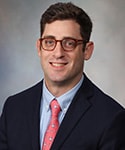 |
Brin Freund, M.D.Dr. Freund is a neurologist specializing in Epilepsy and Clinical Neurophysiology. He has expertise in the management of epilepsy and EEG interpretation, with special interests in:
In addition to his clinical work, Dr. Freund is active in research and is involved in teaching and mentoring trainees at multiple levels. He authors expert content and publishes in high-impact scientific journals. |
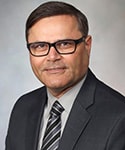 |
Seyed Mirsattari, M.D., Ph.D.Dr. Mirsattari is a neurologist specializing in Epilepsy and Clinical Neurophysiology. He has expertise in the management of epilepsy and EEG interpretation, with special interests in:
Dr. Mirsattari’s primary research interests include clinical epilepsy, EEG, functional neurological disorders, and neuroimaging. |
Wellness initiatives
As a trainee, your physical and mental health are priorities to Mayo Clinic and the department. Trainees have access to several resources to promote well-being, as well as time off clinical duties to attend appointments.
- Fitness centers
- Groups on campus
- Well-being
Fitness centers
 Mayo Clinic residents or fellows can experience 24/7 free access to the Bill Hewitt Employee Wellness Center — opened in the summer of 2024 and spans 6,700 square feet with modern cardio machines, weight machines, free weights, a studio for live classes, and includes showers and locker rooms for convenience.
Additionally, residents or fellows at our three campuses get discounted membership fees to area gyms. In Jacksonville, Florida, residents and fellows can obtain an exclusive discount with the YMCA (several locations).
Groups on campus
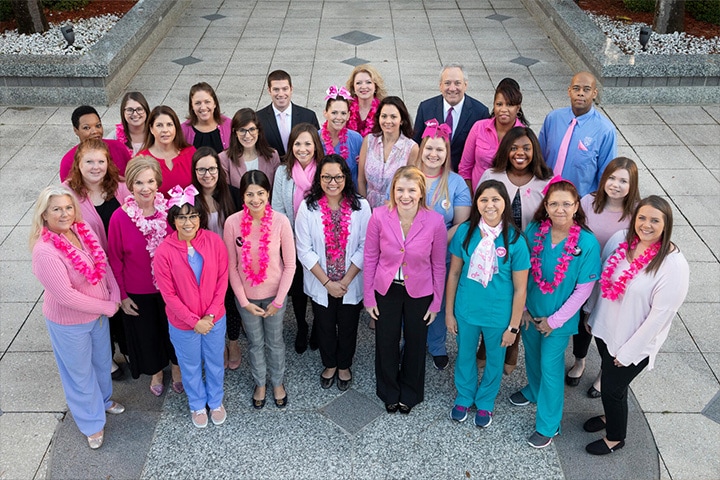
Opportunities to join a variety of groups on campus provide regular social activities and can help enhance your training while connecting with a broad group of peers.
Trainees will have the opportunity to join a Mayo Employee Resource Group (MERG) at any time during their training program. Mayo Employee Resource Groups (MERGs) are employee-led affinity groups to promote belonging, increase cultural awareness, and foster an environment of respect and inclusivity. Any Mayo Clinic employee can join a group of interest and choose their level of involvement
Well-being
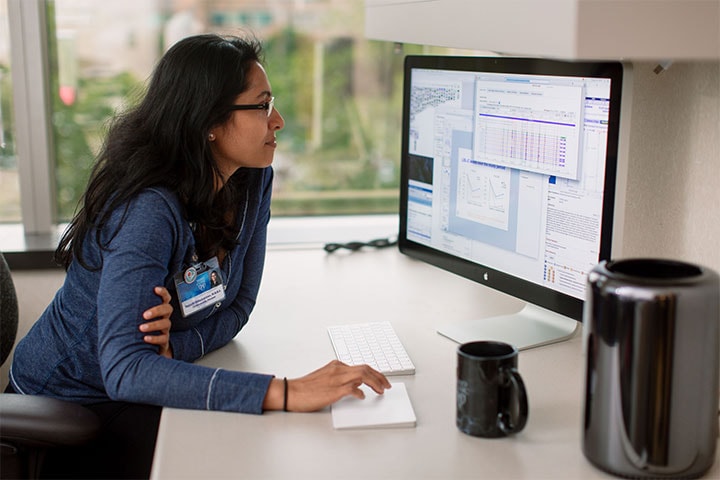 The Office of Academic Support and Well-Being provides resources to promote academic, emotional, social, cognitive, financial, and physical well-being. Career and academic services include academic advising, peer tutoring, and accommodations for learners with disabilities or health conditions. Mental health services, counseling, interview practice, and a variety of enrichment sessions on topics like budgeting, resiliency, and stress and burn-out are also available through the Academic Support and Well-Being office.
More from Mayo Clinic School of Graduate Medical Education
/0x0:512x512/prod01/channel_2/media/mccms/content-assets/academics/residencies-and-fellowships/3319834_0363-512X512.jpg)
Choosing Mayo Clinic
/0x0:512x512/prod01/channel_2/media/mccms/content-assets/shared-documents/campus-FL-Jax_Davis_Bldg_Mar2003_R-pic-tile.jpg)
Jacksonville, FL
Campus and community
/0x0:512x512/prod01/channel_2/media/studio-sites/mccms-reference-guide/512X5121676671_3824027_0010_C.jpg)
Stipend and benefits
/0x0:440x220/prod01/channel_2/media/mccms/content-assets/campus-amp-community/florida/440X220_sidebar-mayo-clinic-jacksonville-fl-shu244045420.jpg)