
Meet Our Fellows
/prod01/channel_2/media/mccms/content-assets/academics/residencies-and-fellowships/interventional-gas-endoscopy-fellowship-arizona/meet-our-fellows/interventional-gastrointestinal-endoscopy-fellowship-az-1024X512-WF2280485-0487.jpg)
Our fellows come from a variety of backgrounds. One of our fellows shared about their journey.
Aziz Beran, M.D.
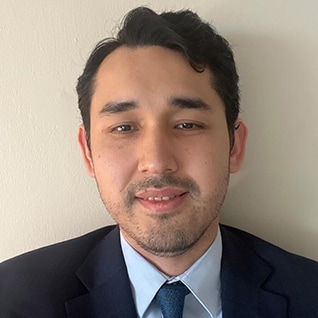 Medical school: Ain Shams University, Cairo, Egypt
Residency: The University of Toledo
Fellowship: Indiana University
What attracted you to gastroenterology? I was drawn to gastroenterology because of its unique balance between cognitive medicine and procedural intervention. It offers the intellectual satisfaction of critical thinking and complex decision-making, along with the reward of performing hands-on procedures that can have an immediate impact on patient care.
What attracted you to Mayo Clinic for fellowship training? Mayo Clinic stood out to me because of its outstanding training in advanced and third-space endoscopy, as well as its tradition of excellence in education, innovation, and patient care. The opportunity to train alongside internationally recognized leaders in the field made it an ideal place to pursue fellowship training.
What makes Mayo Clinic's Luminal Intervention Fellowship unique? Mayo Clinic's Interventional Gastrointestinal Endoscopy Fellowship, led by Dr. Norio Fukami, offers exceptional exposure to complex luminal and third-space endoscopic procedures in a uniquely collaborative academic environment. The fellowship combines extraordinary procedural volume and complexity with strong mentorship and robust research opportunities. Its emphasis on technical excellence, clinical judgment, and comprehensive professional development makes it a truly distinctive training experience.
What does your future look like right now? After training, I plan to transition into an academic position as an advanced endoscopist, with a special interest in third-space and pancreaticobiliary endoscopy. I look forward to contributing to the field through research, innovation, and the development of new techniques that can meaningfully improve patient care.