
Meet The Faculty
Mayo Clinic's Division of Nephrology and Hypertension in Arizona is an integrated practice that provides comprehensive diagnostic and therapeutic services for patients with kidney disease and hypertension.
The division includes nephrologists and hypertension specialists, advanced practice providers, nurses, medical assistants, dialysis technicians, renal dietitians, and social workers. Each year, this team provides care for thousands of patients with a variety of kidney diseases.
From the program director
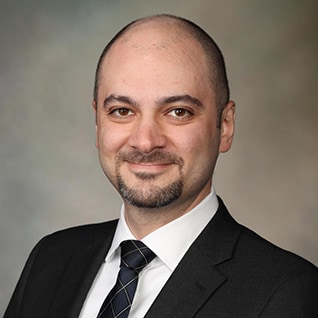 Welcome, and thank you for your interest in the Nephrology Fellowship at Mayo Clinic in Phoenix/Scottsdale, Arizona. As the program director, it's both a privilege and a joy to be part of your journey toward becoming an outstanding, skilled, and compassionate nephrologist.
What defines our program is not only the breadth of clinical experience, but also the environment in which you train—one where you are known, supported, and challenged to grow. With two fellows per year and a faculty-to-fellow ratio greater than 4:1, you will work closely with faculty and benefit from a unique level of mentorship, autonomy, and individualized training. Our subspecialty clinics in glomerulonephritis, polycystic kidney disease, complex hypertension, onconephrology, and kidney stones, offer rich opportunities to train alongside experts who are deeply passionate about their work and committed to mentoring the next generation. In-center hemodialysis and home modalities rounds are designed to maximize your exposure to this vital part of nephrology practice. Your rotations at Mayo Clinic Hospital, a tertiary referral medical center, will allow you to build expertise in managing a broad range of kidney, electrolyte, and hypertension disorders while training in one of the largest transplant centers in the country. This is complemented by carefully designed rotations at VA Medical Center and Valleywise Health Medical Center, a county hospital and level 1 trauma center. Beyond clinical excellence, our curriculum is designed to build a strong foundation in renal physiology and pathology. We also offer robust training in point-of-care ultrasound, research, and medical education—all supported by a dedicated mentorship team invested in your growth.
As you explore our website, I encourage you to learn more about our program, our incredible city of Phoenix, and the beauty of Arizona. We are proud of our track record—100% board pass rate since the program’s inception, and a history of preparing graduates for careers in academic nephrology, private practice, and advanced fellowships in transplant or critical care.
We look forward to your application. Don't hesitate to reach out to us with any questions related to our program.
Warm regards,
Musab S. Hommos, M.B.B.S.
Program Director
Faculty
In addition to caring for patients in clinical practice, Mayo Clinic's faculty is committed to teaching and facilitating the growth of medical knowledge. Many of our faculty members have published and lectured extensively and are highly regarded in their fields. You work closely with these core faculty members throughout your training in the Nephrology Fellowship.
|
|
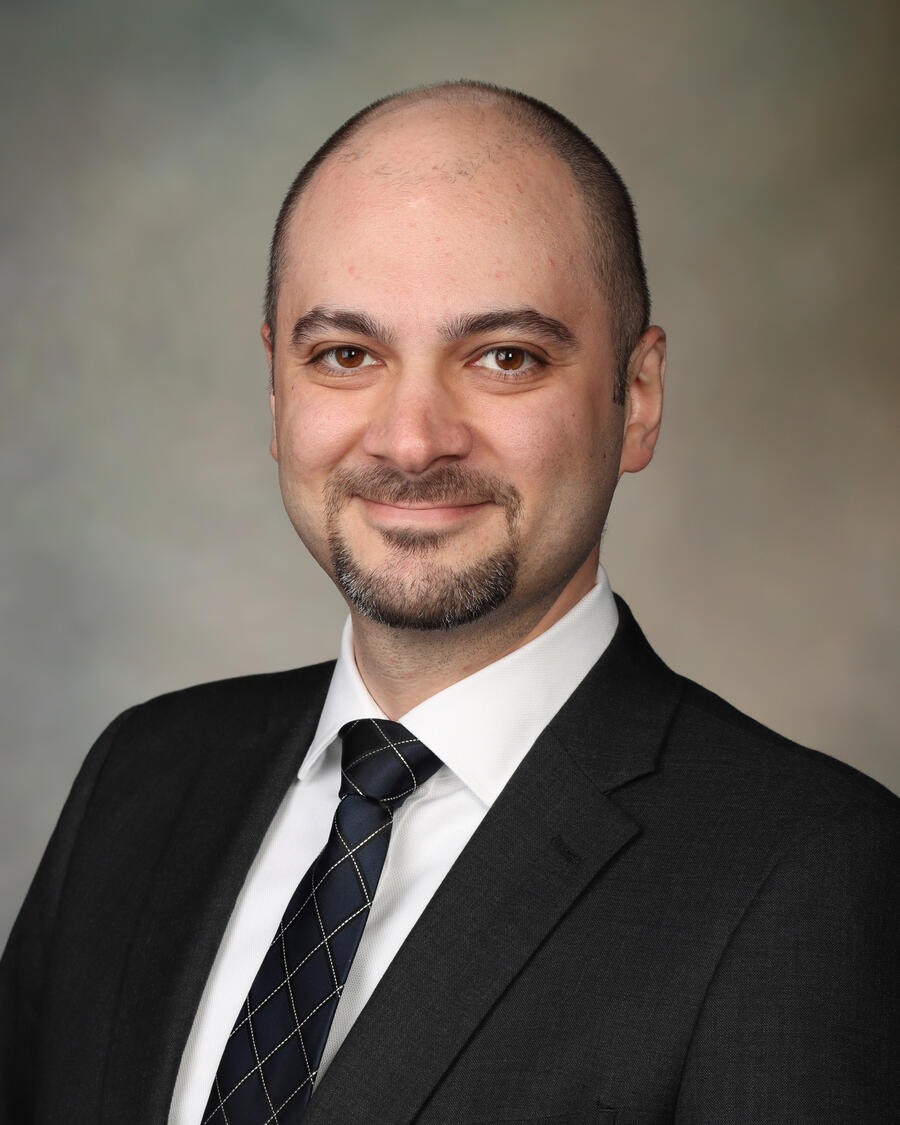
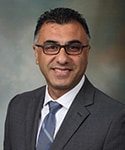
Musab Hommos, M.B.B.S. Dr. Hommos is the program director for the Nephrology Fellowship. His clinical interests include hypertension, polycystic kidney disease, acute kidney injury, and epidemiology. |
|
|
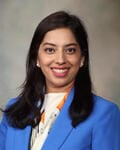
Bhavna Bhasin-Chhabra, M.B.B.S., M.D. Dr. Bhasin-Chhabra is the associate program director for the Nephrology Fellowship. Her clinical focus is on the management of kidney disorders in patients with a diagnosis of solid organ or hematological malignancy. |
|
|
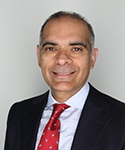
Sami Alasfar, M.D. Dr. Alasfar is a core faculty member in the Nephrology Fellowship. He is a board-certified nephrologist with expertise in transplant nephrology. |
|
|
Evamaria Anvari, M.D. Dr. Anvari is a core faculty member in the Nephrology Fellowship with a clinical interest in glomerular diseases and point of care ultrasound (POCUS). |
|
|
Pooja Budhiraja, M.B.B.S. Dr. Budhiraja is a faculty member for the Nephrology Fellowship and the associate program director of the Renal Transplant Fellowship. |
|
|
Harini Chakkera, M.D. Dr. Chakkera is the chair of the Division of Nephrology at Mayo Clinic in Phoenix, Arizona. Her clinical interests include renal transplantation outcomes and evaluating modifiable predictors to improve kidney transplant survival. |
|
|
Mira Keddis, M.D. Dr. Keddis is a core faculty member in the Nephrology Fellowship. Her clinical interests include an individualized approach for kidney stone evaluation and management as well as cardiovascular risk assessment for kidney transplant candidates. |
|
|
Sayeed Khalillullah, M.D. Dr. Khalillullah is a core faculty member in the Nephrology Fellowship, and he is the director of the Center of Excellence for Polycystic Kidney Disease at Mayo Clinic in Arizona. His clinical interests include polycystic kidney disease and hypertension. |
|
|
Sumi Nair, M.B.B.S., M.D. Dr. Nair is a nephrologist with a primary clinical focus in kidney and pancreas transplant. She is a core faculty member in the Nephrology Fellowship and the program director for the Renal Transplant Fellowship. |
|
|
Kamran Shaffi, M.B.B.S., M.D. Dr. Shaffi is a faculty member in the Nephrology Fellowship with clinical interests in management of glomerular disease and hypertension. |
|
|
Paavana Varanasi, M.D., M.P.H. Dr. Varanasi is a core faculty member in the Nephrology Fellowship and the Nephrology Department Education Coordinator for rotations with clinical and academic interests in women’s kidney health and health equity. |
Advisers and mentors
The program director reviews your progress and career goals and meets with you periodically to ensure that your educational needs are being met. In addition, the program director will help you build a personalized mentorship network—connecting you with faculty who share your interests and can support your growth in research, education, leadership, or any career path you choose to pursue.
Visiting professors
Many prominent professors visit Mayo Clinic each year. They present their work during lectures and have discussions with trainees. You are encouraged to take full advantage of these educational opportunities.