
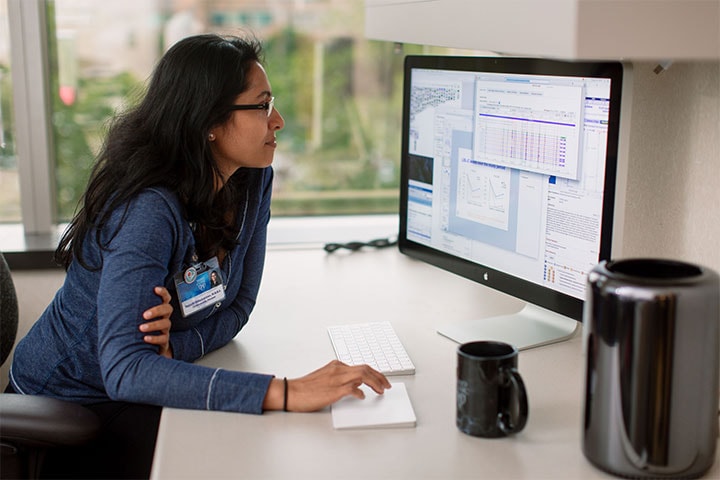
/422x0:1266x844/prod01/channel_2/media/mccms/content-assets/academics/residencies-and-fellowships/neuromuscular-medicine-fellowship-fl/HERO-Neuromuscular-FL-fellow-testing-WF8162016_0010-(1).jpg)
Overview
Neuromuscular Medicine is an exciting subspecialty with a rapidly evolving diagnostic and treatment landscape. The fellowship at Mayo Clinic in Florida allows fellows to gain exposure to the wide-ranging, complex neuromuscular diseases that are encountered at our institution. This exposure, along with the opportunities to learn from experts in the field, sharpens their diagnostic and management skills and equips them with the tools required for independent practice.
We offer an optional four-week away rotation to Mayo Clinic in Rochester, Minnesota, focused on nerve and muscle pathology. This rotation allows the fellow to learn directly from world leaders in neuromuscular pathology.
Research is an integral part of Mayo Clinic’s three-shield approach. The fellow’s schedule includes up to half-day per week for research activity. The fellow is required to complete at least one research assignment during the fellowship. Interests should be decided early in the fellowship.
full-time faculty in the Division of Neuromuscular Medicine
presentation workdays to present Mayo Clinic-associated work at national/international conferences
protected research time (approximately)
Unique program highlights include:
- Exposure to the diagnosis and management of a large variety of common and rare neuromuscular diseases
- Amyotrophic Lateral Sclerosis, Muscular Dystrophy Association, and Myositis Multidisciplinary clinics
- Extensive, structured learning to perform and interpret basic and complex electrodiagnostic studies (nerve conduction studies, needle EMG, single fiber EMG, etc.)
- Optional four-week neuromuscular pathology rotation
- Incorporation of neuromuscular ultrasound in the diagnosis of NM diseases
- Flexibility in fellowship schedule to accommodate preferred areas of focus
- Professional environment that provides access to advanced research and teaching opportunities
- Upon graduation, the fellow would have acquired sufficient expertise to establish their own Neurophysiology Lab or Neuromuscular Clinic
- Elective opportunities in chemodenervation (botulinum toxin) clinic, autonomic clinic/lab, neuromuscular physiatry/physical therapy, and intraoperative monitoring
Accreditation, certification, and program history
Accreditation
This program is in the process of being accredited by the Accreditation Council for Graduate Medical Education (ACGME).
Certification
After completion of this program, trainees will be eligible to complete the Neuromuscular Medicine Certification Exam (American Board of Psychiatry and Neurology) and the American Board of Electrodiagnostic Medicine Certification Exam.
Program history
The Neuromuscular Division at Mayo Clinic in Florida has had an ACGME accredited Clinical Neurophysiology-EMG fellowship for over 20 years. This fellowship included education in EMG and clinical neuromuscular diseases and featured multidisciplinary Muscular Dystrophy Association (MDA) and Amyotrophic Lateral Sclerosis (ALS) clinics. This was converted to a Neuromuscular Medicine Fellowship which will have its first fellow in 2027.
Application process
Positions
There is one position available annually.
Built on Mayo Clinic’s sturdy foundation of providing the highest quality care and research, the Neuromuscular Medicine Fellowship in Florida continues that legacy by positioning itself as one of the most competitive training programs in the subspecialty. Ideal applicants would be enrolled in or have completed an ACGME-approved Adult Neurology, Pediatric Neurology, or Physical Medicine and Rehabilitation program, and demonstrated a high level of proficiency in clinical care and scholarly activity.
Qualifications
Applicants for the Neuromuscular Medicine Fellowship program must be enrolled in or have completed an ACGME-accredited Neurology, Pediatric Neurology, or Physical Medicine and Rehabilitation training program.
Also see general admissions requirements.
How to apply
Our program is committed to abiding by the following fellowship application process. All submitted fellowship listings are posted on January 1.
Applicants may submit application materials and supporting documents through the AANEM Fellowship Portal, but applications will not be visible to institutions until March 1. The interviews for 2027-2028 Neuromuscular Medicine Fellowship candidates will occur in April 2026. Fellowship positions will not be offered before June 1 of the year prior to the fellowship start date.
More information about our program and how to apply through the AANEM portal system will be available soon.
Curriculum
Clinical training
The Neuromuscular Medicine Fellowship provides fellows with the tools necessary for providing high-quality care to patients with acquired and inherited disorders of the nerve, muscle, and neuromuscular junction. Areas of focus reflect the three-shield approach of Mayo Clinic — Education, Research, and Practice. During the 12-month fellowship, trainees can expect to diagnose and treat patients with a broad range of neuromuscular disorders. The fellow will receive direct, one-on-one supervision throughout the fellowship (in clinic and the neurophysiology laboratory) with a graduated level of independence and indirect supervision with increasing experience.
The first two months will be focused on a dedicated, intense clinical neurophysiology didactic and hands-on course. The course will include training in the basic concepts of nerve conduction and needle EMG, allowing the fellow to begin to gain the necessary skills for performing and interpreting the studies. The remaining ten months will be composed of a combination of clinical evaluation and management of patients with neuromuscular diseases in the outpatient and inpatient setting, involvement in multidisciplinary clinics (ALS, Myositis, MDA), advancing experience and techniques in the EMG lab, and learning pathologic changes in nerve and muscle diseases.
Rotation schedule
Rotation schedule (chronologically)
| Rotation | Length |
|---|---|
| Rotation: Clinical Neurophysiology Course (Some of the time will be dedicated to practice in the EMG lab and introductory neuromuscular didactics) | Months 1-2 |
|
Rotation: Outpatient clinic (two days per week) Rotation: EMG (two days per week) Rotations: Research/Muscular Dystrophy Association (MDA)/ALS/Pediatric EMG clinics (one day per week) |
Months 3-6 |
|
Rotation: Outpatient clinic (two days per week) Rotation: Advanced EMG (two days per week) Rotation: Research/MDA/ALS/Pediatric EMG/Myositis clinics (one day per week) Rotation: Elective (One four-week block in neuromuscular pathology in Mayo Clinic in Rochester or two, two-week blocks of electives) (Chemodenervation (Botulinum Toxin) Clinic, Autonomic Clinic/Lab, Neuromuscular/Musculoskeletal Physiatry/Physical Therapy, and Intraoperative Monitoring) |
Months 7-12 |
Rotation schedule: Months 1-2
| Monday | Tuesday | Wednesday | Thursday | Friday | |
|---|---|---|---|---|---|
| Morning | Clinical Neurophysiology Course (CNP) | CNP | CNP | CNP | CNP |
| Afternoon | Clinical Neurophysiology Course (CNP) | CNP | CNP | CNP | CNP |
Rotation schedule: Months 3-6
| Monday | Tuesday | Wednesday | Thursday | Friday | |
|---|---|---|---|---|---|
| Morning | Neuromuscular (NM) Clinic | NM Clinic | Research/Pathology teaching/Muscular Dystrophy Association (MDA) Clinic | EMG/ALS Clinic | NM Clinic |
| Afternoon | NM Clinic | EMG | Research/Pathology teaching/MDA Clinic/Pediatric EMG/Elective | EMG | EMG |
Rotation schedule: Months 7-12
| Monday | Tuesday | Wednesday | Thursday | Friday | |
|---|---|---|---|---|---|
| Morning | NM/Myositis Clinic | NM Clinic | Research/Pathology teaching/MDA Clinic | Advanced EMG/ALS Clinic | NM Clinic |
| Afternoon | NM/Myositis Clinic | Advanced EMG | Research/Pathology teaching/MDA Clinic/Pediatric EMG/Elective | Advanced EMG | Advanced EMG |
Rotation schedule: Elective week
| Monday | Tuesday | Wednesday | Thursday | Friday | |
|---|---|---|---|---|---|
| Morning | Elective | Elective | Elective | Elective | Elective |
| Afternoon | Elective | Elective | Elective | Elective | Research/pathology teaching |
Rotation schedule: Away rotation weeks 1-2
| Monday | Tuesday | Wednesday | Thursday | Friday | |
|---|---|---|---|---|---|
| Morning | Nerve Pathology | NM/Muscle/Peripheral Nerve (PN) Clinic | Nerve Pathology | Nerve Pathology | Nerve Pathology |
| Afternoon | Nerve Pathology | Nerve Pathology | Nerve Pathology | Nerve Pathology | Nerve Pathology/Clinic follow-ups |
Rotation schedule: Away rotation weeks 3-4
| Monday | Tuesday | Wednesday | Thursday | Friday | |
|---|---|---|---|---|---|
| Morning | Muscle Pathology | NM/Muscle/PN Clinic | Muscle Pathology | Muscle Pathology | Muscle Pathology |
| Afternoon | Muscle Pathology | Muscle Pathology | Muscle Pathology | Muscle Pathology | Muscle Pathology/Clinic follow-ups |
Rotation descriptions
Rotation descriptions
Clinical Neurophysiology Course: This two-month course will provide the foundational knowledge and skills required for the fellow to begin performing EMGs. The course consists of both didactic and hands-on sessions and incorporates the use of neuromuscular ultrasound. Time will also be allotted to work in the EMG lab and introductory clinical neuromuscular lectures.
Neuromuscular Clinic: The fellow will evaluate patients with a wide range of neuromuscular disorders. On average, the fellow will be in clinic about two days per week, with various faculty. The fellow will spend most of the time under indirect supervision. In the Friday neuromuscular clinic, the fellow will primarily be seeing follow-up patients.
EMG: The fellow will spend this time in our state-of-the-art Neurophysiology Lab, outfitted with nine EMG rooms. The fellow will be expected to perform nerve conduction studies, needle EMG, and neuromuscular ultrasound with gradually increasing levels of independence.
Muscular Dystrophy Association (MDA) Clinic: The fellow will work with a neuromuscular physician, physical and occupational therapists, genetic counselor, and social worker seeing a wide variety of patients with established, intricate neuromuscular disorders. A few days per year are dedicated to patients with Charcot-Marie-Tooth disease. The MDA clinic takes place every other Wednesday.
Amyotrophic Lateral Sclerosis (ALS) Clinic: The fellow will be able to participate in the multidisciplinary (physician, physical and occupational therapists, dietitian, respiratory therapist, social worker, speech pathologist) ALS clinic up to one Thursday per week seeing patients with various stages of motor neuron disease. Opportunity also exists to participate in ALS basic science and clinical research.
Myositis Clinic: The fellow will rotate in this clinic where patients suspected of having immune-mediated myopathies are seen by the neurologist and rheumatologist.
Pathology Teaching: Pathology teaching will be in the form of didactics and case-based discussions.
Pediatric EMG: Pediatric EMG is performed by a couple of neuromuscular attendings. This takes place at the nearby Nemours Children’s Hospital on every other Wednesday afternoon.
Research: This rotation may occur up to one half day per week, dependent upon active research projects and current rotation. Fellows are required to be in close contact with their research mentors during this rotation.
Electives: There are two, two-week blocks for electives. Elective options include chemodenervation (botulinum toxin) clinic, autonomic clinic/lab, neuromuscular physiatry/physical therapy, and intraoperative monitoring.
Neuromuscular Pathology rotation to Mayo Clinic in Rochester, Minnesota: This is a one-month optional rotation in lieu of the elective blocks above. This rotation takes place at Mayo Clinic in Rochester, Minnesota. Two weeks will be allotted to nerve pathology, and two weeks to muscle pathology. The fellow will be working alongside attendings and other trainees at the Rochester campus. In addition to being in the labs, the trainee will attend one half day of clinic per week seeing new patients and will see these patients at a follow up appointment later in the week after testing has been completed. View the Mayo Clinic policy on rotations to other Mayo sites. A valid Minnesota medical license is required.
Electives
There are two, two-week blocks for electives. Elective options include chemodenervation (botulinum toxin) clinic, autonomic clinic/lab, neuromuscular physiatry/physical therapy, and intraoperative monitoring. A single one-month away rotation in neuromuscular pathology is available as an alternative to the two, two-week blocks.
There is a one-month optional elective opportunity at Mayo Clinic in Rochester, Minnesota, for nerve and muscle pathology.
Didactic training, procedures
Didactic training
There are many didactic opportunities for fellows. During the first two months of the fellowship, trainees participate in the Clinical Neurophysiology (CNP) course, which includes lectures on electrodiagnostic techniques. Approaches and findings in diseases, coupled with hands-on demonstration and practice of nerve conduction, needle EMG, and neuromuscular ultrasound techniques are included. Every Friday morning, there is a CNP lecture that is delivered by the fellow or a neuromuscular attending, which delves into unique cases or concepts in CNP and neuromuscular medicine. There are monthly Mayo Clinic muscle and peripheral nerve conferences in Rochester, Minnesota, that the fellow will be required to join virtually.
Procedures
By the end of the fellowship, the fellow would be expected to be able to perform nerve conduction studies, needle EMG, and neuromuscular ultrasound independently. To qualify for the American Board of Electrodiagnostic Medicine examination, the fellow must complete 200 electrodiagnostic studies during training. This target is achievable given the high volume of studies our lab performs.
Conferences
The following are conferences that are available as optional or required for the fellow.
- Neuroscience/Neurosurgery Lecture Series on Mondays from 6:45-8 a.m.
- *Mayo Clinic in Florida Neurology Grand Rounds on Mondays from 12:15-1 p.m.
- Neuropathology Clinical Pathologic Conference from 2-3 p.m.
- Multi-disciplinary Spine Conference from 5-6 p.m.
- *Muscle Teleconference from Mayo Clinic in Rochester, every third Tuesday of the month from 1:15-2 p.m.
- *Peripheral Nerve, EMG, Pathology Correlation Teleconference from Mayo Clinic in Rochester, every second Tuesday of the month from 6-7 p.m.
- Neurology Core Lecture Series on Tuesdays from 3-6 p.m.
- Internal Medicine Grand Rounds on Wednesdays from 12:30-1:30 p.m.
- *Clinical Neurophysiology Technologist Teaching session on Thursdays from 7:15-8 a.m.
- *Clinical Neurophysiology/Neuromuscular Conference on Fridays from 7:15-8 a.m.
- **Clinical Neurophysiology Case Teleconference with Mayo Clinic in Rochester on Fridays from 8:15-9 a.m.
- Neurology Subspecialty Teleconference from Mayo Clinic in Rochester on Fridays from 1:15-2 p.m.
*Attendance required
**Attendance required on the last Friday of the month
Research opportunities
All the faculty of the Division of Neuromuscular Medicine have experience in research and can serve as research mentors for the fellow. Importantly, the Neuroscience department is a world leader in scientific discovery and has faculty available for guidance and collaboration. Additionally, there are numerous resources available at Mayo Clinic to encourage and support scholarly activity. There are small grant funds, funding to cover certain aspects of trainee research (discretionary funds), and statistical support. The electronic health record and EMG databases can be used to easily identify patients with specific neuromuscular symptoms, test results, and responses to treatments.
Teaching opportunities
The fellow is encouraged to take advantage of the teaching opportunities. These include teaching during the Resident Core Lectures, Neurology Grand Rounds (the fellow is required to do one grand rounds presentation during the fellowship), Friday morning clinical neurophysiology lectures, Thursday morning EMG technician lectures, and lectures to internal medicine, physical therapy, and pediatric neurology residents. These opportunities allow the fellow to share and solidify their knowledge, and gain and refine teaching skills.
Moonlighting
The fellow is permitted to moonlight, once this aligns with the policy outlined by the Mayo Clinic School of Graduate Medical Education. Familiarizing oneself with this policy is mandatory prior to consideration of moonlighting. Please check for updates throughout the year.
Additionally,
- The fellow is not allowed to moonlight if they are on a J-1 or H-1 visa.
- The fellow must possess a valid Florida state medical license. They should submit details of the potential moonlighting opportunity to the program coordinator and include details of the malpractice insurance coverage (not covered by Mayo Clinic), and a statement regarding the number of hours to be worked in each month.
- The request to moonlight will be reviewed by the Department of Neurology Education Committee. The following will be taken into consideration.
- An understanding that moonlighting is not a requirement.
- The fellow must be in good standing in the program.
- Time spent moonlighting should not jeopardize the fellow’s educational progress or negatively impact the fellow’s primary clinical duties. Moonlighting should not compromise the fellow’s level of functioning at work by prevention of sufficient rest time.
- The fellow is not allowed to moonlight during scheduled work hours, including research and education time.
- The fellow is not permitted to moonlight within 12 hours prior to the start of their next scheduled fellowship duties.
- If approved, the fellow must accurately and honestly document the number of hours worked on a weekly basis in MedHub. The total number of hours worked should not exceed the stipulated 80-hour maximum per week.
- The Department of Neurology Education Committee reserves the right to terminate the approval of the fellow’s moonlighting if the fellow receives disciplinary action during the moonlighting period, or if the aforementioned requirements are not fulfilled.
Mentorship and evaluation
Mentorship
The fellow will have one-on-one regular interactions with each neuromuscular faculty which will help foster mentorship within the division. Monthly scheduled meetings with the program director will provide guidance on career advancement and research goals.
Evaluation
To ensure that you acquire adequate knowledge and develop the appropriate technical skills to meet program expectations, your performance is monitored carefully during the program. You are evaluated formally by the supervising faculty member after each clinical rotation, and you will meet with the program director to review these evaluations. In addition, you will also regularly evaluate the faculty to ensure that your educational needs are being met.
Facilities and locations
Fellows will be at the Mangurian Building during clinic time. Within this modernly constructed building there are state-of-the-art outpatient rooms, conference rooms, and dedicated workspace for the fellow.
EMGs will be performed in the recently upgraded and sleek EMG lab, which contains nine procedure rooms outfitted with updated ultrasound-capable EMG machines, a conference room that doubles as a recreation room, and a comfortable workspace for the fellow and staff.
Pediatric EMG takes place at the nearby Nemours Children’s Hospital.
Belonging
At Mayo Clinic, we foster an inclusive working environment and embrace the diversity of all our trainees, faculty, staff, and patients. Our Office of Belonging offers tremendous resources to support our mission of maintaining a welcoming atmosphere for all our employees, including our learners. We strive to provide culturally appropriate care and do our part to reduce healthcare disparities.
/0x0:1440x480/prod01/channel_2/media/studio-sites/mccms-reference-guide/1440X4801573348-380187-2-0024.jpg)
Video: See yourself at Mayo Clinic
5:33
From the program director.jpg)
Welcome to the Mayo Clinic Neuromuscular Medicine Fellowship in Jacksonville, Florida. Here, you can expect to be amid enthusiastic educators in a resource-rich environment. Production of high-quality, well-rounded specialists has been our institutional modus operandi for decades. We highly value our trainees and ensure that they graduate well-equipped to confidently and expertly put the needs of the patient first.
Although access to educational resources and a healthy breadth and depth of clinical exposure is critical for the development of the neuromuscular expert, the quality of the learning environment can significantly impact how well this exposure translates into benefit. The fellow can expect a program where 360 degree feedback is encouraged, treated attentively, and used as a tool for future improvement. Well-being resources are abundant, and an absence of call ensures the fellow has sufficient time for clinical and scholastic duties and personal life. Toward the end of the fellowship, the fellow will demonstrate a sufficient level of comfort with leading patient encounters, educating junior trainees, and advancing the field of neuromuscular research.
Andre Granger, M.D., M.B.A.
Neuromuscular Medicine Fellowship Program Director
Department and faculty
Department
The Mayo Clinic Department of Neurology in Jacksonville, Florida, is rapidly growing and consists of over 40 neurology faculty. The neuromuscular division is the largest of the divisions with eight faculty. Collectively, our faculty has several active research projects and clinical trials in clinical neurophysiology, nerve and muscle disorders, and Amyotrophic Lateral Sclerosis. From an educational perspective, our division is home to both the current and former neurology residency program directors, and Dr. Devon Rubin has pioneered valuable educational material now available through the American Association of Neuromuscular and Electrodiagnostic Medicine. Administratively, we hold vital internal and external posts that help advance neurological care and education.
Faculty
All neuromuscular faculty share the same strong enthusiasm toward working with trainees. Dr. Granger has an interest in muscle disorders, neuromuscular ultrasound, and education. Dr. Skolka has an interest in clinical neurophysiology and neuromuscular junction disorders. Dr. Lamb is an expert in peripheral nerve disorders and also interprets autonomic testing. Dr. Dimberg has expertise in muscle disorders and is heavily involved in several educational initiatives. Dr. Mauricio serves as the current neurology residency program director and holds key administrative posts. Drs. Shah and Oskarsson together see patients in the multidisciplinary Amyotrophic Lateral Sclerosis Clinic and are actively involved in numerous clinical trials in this field. Dr. Rubin is a leader in clinical neurophysiology education and has pioneered highly valuable educational resources in this field. He holds several key external and internal administrative roles.
Meet the faculty
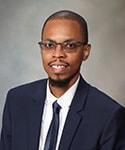 |
Andre Granger, M.D., M.B.A., Program DirectorDr. Granger has interests in medical education and serves on education committees with Mayo Clinic's Department of Neurology in Florida, and the American Association of Neuromuscular and Electrodiagnostic Medicine. His experience as an educator began long before his journey in medicine. He believes that teaching is a way to grow the knowledge of both the learner and the teacher. He enjoys working with trainees. Dr. Granger is originally from Trinidad and Tobago, and enjoys traveling back there annually to visit family and friends. |
 |
Elliot Dimberg, M.D.Dr. Dimberg is a prior Neurology Clerkship Director and Neurology Residency Program Director. He is the current Associate Dean for Academic Affairs for the Mayo Clinic Alix School of Medicine at the Mayo Clinic in Florida. He is committed to the clinical evolution of trainees at all levels, from medical school through fellowship, and considers assisting the development of master clinicians to be his primary focus in education. He values the personal interaction with trainees and the collaborative nature of education at the clinic. A native of Virginia, he prioritizes family (including several pets), the outdoors, and nutrition and exercise as central to a well-rounded life. |
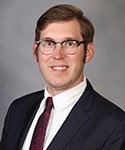 |
Chris Lamb, M.D.Dr. Lamb has a strong interest in peripheral nerve disorders and played a key role in establishing the Charcot-Marie-Tooth disease component of the Muscular Dystrophy Association (MDA) clinic. He also serves as an Associate Program Director to the Neurology Residency, which highlights his interest in the well-being and education of trainees. Dr. Lamb enjoys bike rides with his family along Jacksonville beach and always has great podcast recommendations. |
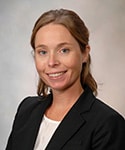 |
Elizabeth Mauricio, M.D.Dr. Mauricio is an enthusiastic educator and is the current Neurology Residency program director. She is a strong advocate for trainees and always ready to teach. She has a special interest in amyloidosis and takes part in our Multidisciplinary Amyloid Clinic. She enjoys spending time with her family, playing tennis, and hunting for sharks’ teeth on our local beaches. |
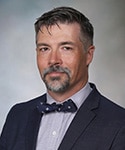 |
Bjorn Oskarsson, M.D.Dr. Oskarsson is the Director of the ALS Center of Excellence. His clinical focus is ALS and other Motor Neuron Diseases. He is the Principal Investigator on multiple active clinical trials and works closely with the Mayo Clinic Neuroscience Department in the effort to find a cure for ALS. He often spends his free time surfing the waves off Jacksonville Beach. |
 |
Devon Rubin, M.D., Executive Vice Chair of NeurologyDr. Rubin has been the Director of the EMG Laboratory for nearly 20 years. He has developed numerous educational products to teach interpretation of electrodiagnostic studies, including the EMG Waveform Trainer, EMG Recruitment Trainer, EMG Waveform Tester, Learn EMG, Real EMG cases, Muscle Localization in Electromyography, and Nerve Conduction Study Trainer. He also hosts the educational AANEM YouTube and podcast series, Lessons from the Lab. During his free time, he explores new cultures through travel. |
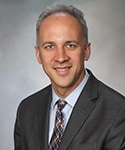 |
Jaimin Shah, M.D., Division ChairDr. Shah is the Chair of the Division of Neuromuscular Medicine and the Director of the Muscular Dystrophy Association Multidisciplinary Clinic. He also plays a key role in ALS Center of Excellence. His passion for education is highlighted by his prior teaching awards. He enjoys staying fit and is an avid endurance runner. |
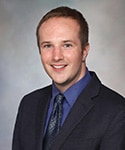 |
Michael Skolka, M.D.Dr. Skolka is active in research, medical education, and quality improvement. He has spearheaded award-winning research projects in neuromuscular medicine and was honored to receive the Golseth award from the American Association of Neuromuscular & Electrodiagnostic Medicine (AANEM) as well as the Mayo Clinic Neurology Trainee Research award during his fellowship for innovative research. His research has refined the way we understand some neuromuscular disorders. He uses his down time to explore the many culinary offerings of Jacksonville. |
Wellness initiatives
As a trainee, your physical and mental health are priorities to Mayo Clinic and the department. Trainees have access to several resources to promote well-being, as well as time off clinical duties to attend appointments.
- Fitness centers
- Groups on campus
- Well-being
Fitness centers
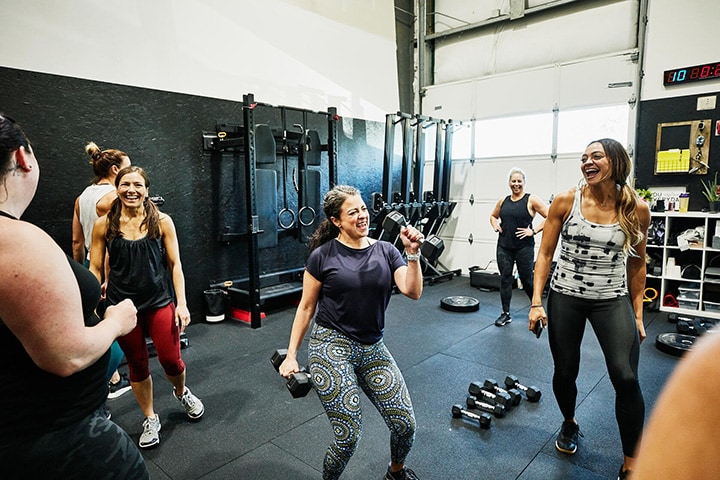 Mayo Clinic residents or fellows can experience 24/7 free access to the Bill Hewitt Employee Wellness Center — opened in the summer of 2024 and spans 6,700 square feet with modern cardio machines, weight machines, free weights, a studio for live classes, and includes showers and locker rooms for convenience.
Additionally, residents or fellows at our three campuses get discounted membership fees to area gyms. In Jacksonville, Florida, residents and fellows can obtain an exclusive discount with the YMCA (several locations).
Groups on campus
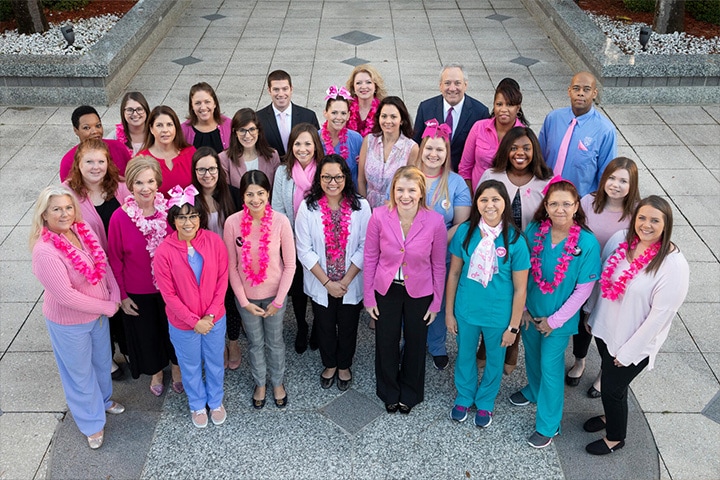
Opportunities to join a variety of groups on campus provide regular social activities and can help enhance your training while connecting with a broad group of peers.
Trainees will have the opportunity to join a Mayo Employee Resource Group (MERG) at any time during their training program. Mayo Employee Resource Groups (MERGs) are employee-led affinity groups to promote belonging, increase cultural awareness, and foster an environment of respect and inclusivity. Any Mayo Clinic employee can join a group of interest and choose their level of involvement
Well-being
 The Office of Academic Support and Well-Being provides resources to promote academic, emotional, social, cognitive, financial, and physical well-being. Career and academic services include academic advising, peer tutoring, and accommodations for learners with disabilities or health conditions. Mental health services, counseling, interview practice, and a variety of enrichment sessions on topics like budgeting, resiliency, and stress and burn-out are also available through the Academic Support and Well-Being office.
More from Mayo Clinic School of Graduate Medical Education
/0x0:512x512/prod01/channel_2/media/mccms/content-assets/academics/residencies-and-fellowships/3319834_0363-512X512.jpg)
Choosing Mayo Clinic
/0x0:512x512/prod01/channel_2/media/mccms/content-assets/shared-documents/campus-FL-Jax_Davis_Bldg_Mar2003_R-pic-tile.jpg)
Jacksonville, FL
Campus and community
/0x0:512x512/prod01/channel_2/media/studio-sites/mccms-reference-guide/512X5121676671_3824027_0010_C.jpg)
Stipend and benefits
/0x0:440x220/prod01/channel_2/media/mccms/content-assets/campus-amp-community/florida/440X220_sidebar-mayo-clinic-jacksonville-fl-shu244045420.jpg)