
The Division of Pediatric Hematology/Oncology at Mayo Clinic in Rochester, Minnesota, is part of the Mayo Clinic Children's Center – ranked nationally by US News as a top Children's Hospital.
The Children's Center includes more than 200 physicians specializing in more than 40 areas and providing care ranging from routine checkups to complex surgical procedures. Annually, Mayo Clinic treats more than 50,000 children and adolescents, including some 5,000 hospital patients. Mayo Clinic pediatric and adolescent surgeons perform more than 8,000 procedures annually.
The Division of Pediatric Hematology/Oncology is affiliated with the Mayo Clinic NCI designated comprehensive Cancer Center. The Division includes seven physicians who work alongside nurse practitioners, physician assistants, specialized nurses and social workers to provide outstanding care for children with cancer or blood disorders. The pediatric hematology and oncology practice functions as a comprehensive center for pediatric cancer treatment.
/prod01/channel_2/media/mccms/content-assets/academics/residencies-and-fellowships/pediatric-hematologyx2foncology-minnesota/3903937_0042-tablet.jpg)
From the program director

Greetings, and thank you for your interest in the Pediatric Hematology/Oncology Fellowship Program at Mayo Clinic in Rochester, Minnesota. Our field is defined by a small, collegial, and deeply passionate community of clinicians and investigators—and we look forward to welcoming you.
Mayo Clinic is internationally recognized as a referral center providing highly advanced, multidisciplinary care for children and adults with complex medical conditions. Perhaps nowhere is this excellence more evident than in pediatric hematology and oncology. Working closely with colleagues across pediatric medical and surgical subspecialties, we care for some of the most rewarding and challenging patients—children who come to us from across the globe, as well as from our local community throughout southeastern Minnesota, western Wisconsin, and northeastern Iowa along with partnerships with nearby hospital systems.
The nature of our practice offers an exceptionally varied clinical experience within the setting of a small, vibrant, and eminently livable city. Our fellowship program is intentionally small, yet offers all the advantages of a large academic center: individualized teaching, curricular flexibility, and exceptional breadth and depth of clinical exposure. Fellows have access to world‑class laboratories and clinical research infrastructure to support a wide range of career goals.
Training includes exposure to cutting‑edge therapies such as proton-beam radiation therapy, allogeneic and autologous stem cell transplantation, CAR‑T cell therapy, and a broad portfolio of Children’s Oncology Group clinical trials—ensuring our fellows are well prepared for any future in the field.
Our faculty are highly engaged, deeply committed educators dedicated to training the next generation of pediatric specialists in hematology, oncology, and stem cell transplantation. Fellows may pursue basic, translational, or clinical research across Mayo Clinic, and also have the opportunity to earn a diploma or master’s degree through the Graduate School of Biomedical Sciences. For those interested, an NIH-sponsored T32 training program in Pediatric Clinical Pharmacology is available concurrently during the second and third years of fellowship.
Our goal is to provide you with the tools, mentorship, and skills needed to achieve your professional and personal career aspirations. We are excited to work with talented pediatricians from diverse backgrounds who share our commitment to delivering the highest quality care to children with cancer and blood disorders.
Please do not hesitate to contact us with any questions, or to learn more about how we can support the next step of your journey.
Peter Schoettler, M.D.
Pediatric Hematology/Oncology Fellowship Program Director
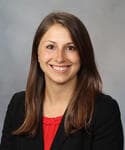
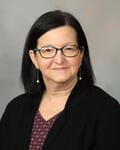
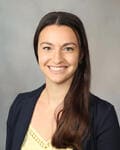
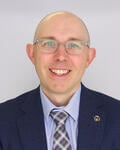
Faculty
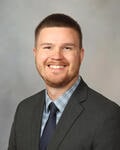
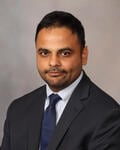
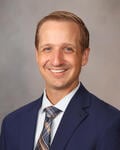
One of the greatest advantages of training at Mayo Clinic is the approachability, accessibility, and collegiality of the faculty. In addition to caring for patients in clinical practice, Mayo Clinic's faculty is committed to teaching and facilitating the growth of medical knowledge. Many of our faculty members have published and lectured extensively and are highly regarded in their fields.
You will work closely with these individuals throughout your training in the Pediatric Hematology/Oncology Fellowship.
|
|
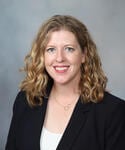
Wendy Allen-Rhoades, M.D., Ph.D. Medical school: Georgetown University School of Medicine Interests:
|
|
|
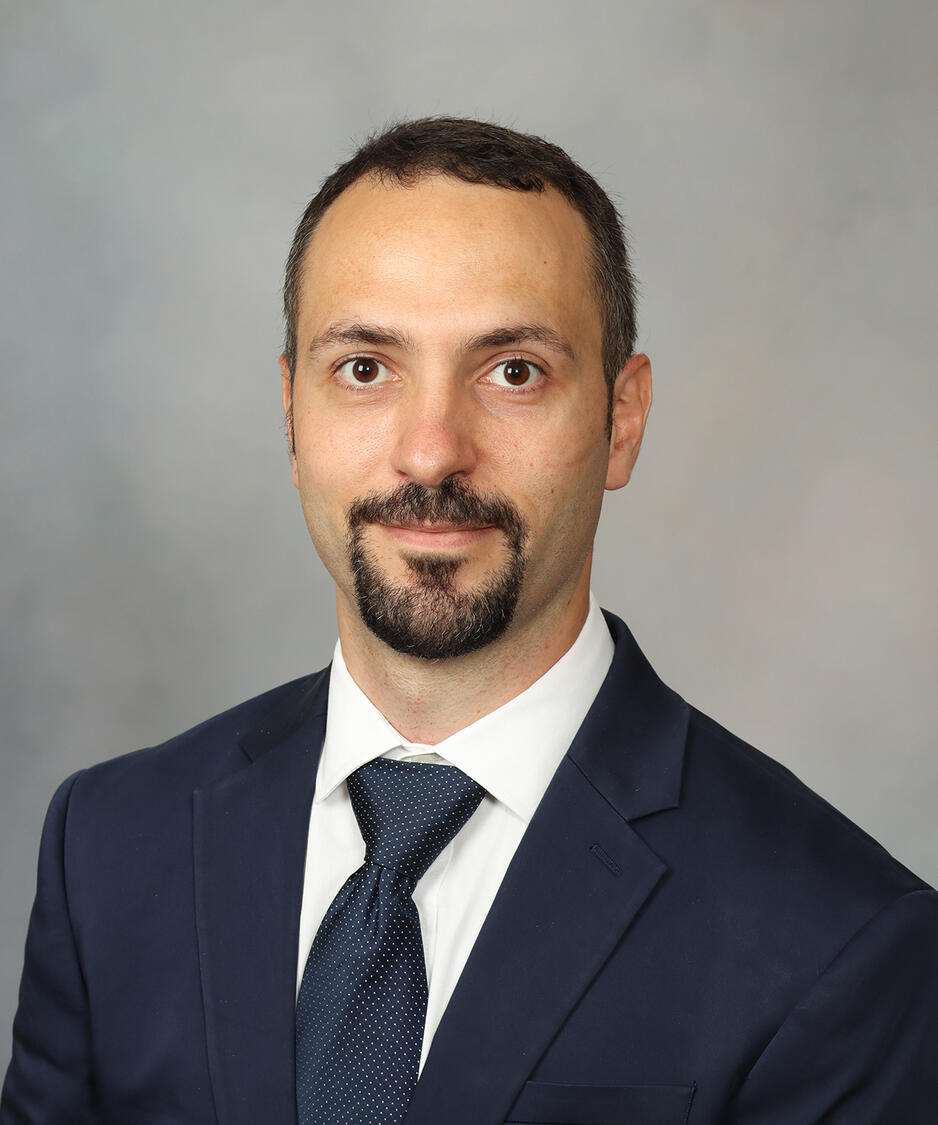
Ahmad Al-Huniti, M.D. Medical school: University of Jordan Interests:
|
|
|
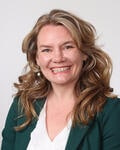
Kelly Bailey, M.D., Ph.D. Interests:
|
|
|
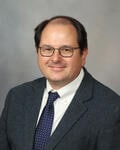
Paul Galardy, M.D. Medical school: Boston University School of Medicine Interests:
|
|
|
Mira Kohorst, M.D. Medical school: Mayo Clinic Alix School of Medicine Interests:
|
|
|
Linda McAllister, M.D., Ph.D. Interests:
|
|
|
Madeleine O’Keefe, M.D. Interests:
|
|
|
Matthew Miller, M.D. |
|
|
Peter Schoettler, M.D. Interests:
|
|
|
Anand Srinivasan, M.B.B.S. Interests:
|
|
|
Zach Wilson, M.D. Interests:
|
Advisers and mentors
You are assigned to faculty members who can provide educational advice and personal support. These advisers serve as contact points, introducing you and your family to Rochester and the Mayo Clinic system.
Visiting professors
Many prominent professors visit Mayo Clinic each year. They present their work during lectures and participate in hospital rounds and informal discussions with trainees. You are encouraged to take full advantage of these opportunities.
The fellowship is designed for 18-months of intense clinical experience and 18-months of research. The first months of fellowship are strategically planned so the transition is smooth. I have the best co-fellow and senior fellow, I feel supported by my program director and the rest of my division and I've been given the learning opportunities needed to succeed in this field.
Paulina Roman Moreno, M.D.
Pediatric hematology/oncology fellow