
Meet Our Fellows
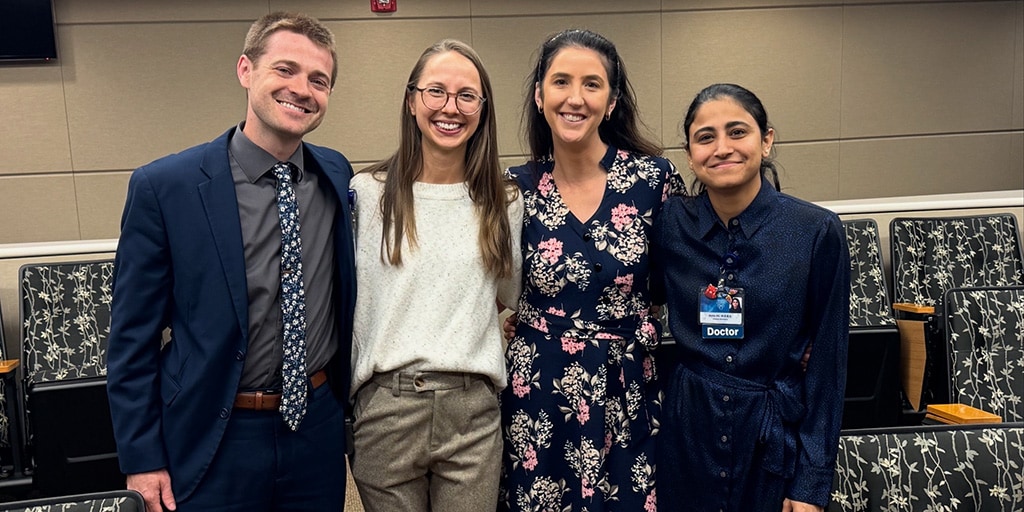
The Pediatric Hematology/Oncology Fellowship draws trainees from across the U.S. and around the world. While all our fellows have a love of learning and a compassionate approach to patient care, they come from diverse backgrounds, family status, and professional and personal interests. Learn more about our current fellow.
Class of 2026
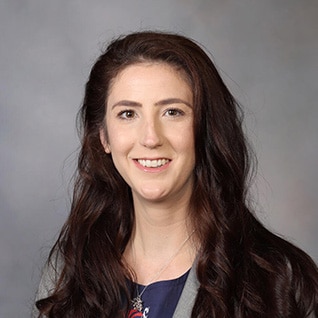 Anna Elias, M.D., M.Ed.
Medical school: Flinders University of South Australia School of Medicine
Residency: Mayo Clinic, Pediatrics Residency
What attracted you to pediatrics (your specialty)? Hematology/oncology sits at the intersection of some of the best aspects of medicine. It combines clinical diagnosis, patient education, research, and new and novel treatment. Knowing the impact a cancer diagnosis has on every aspect of a child’s life I realized I wanted to do more for these children and decided I could make the most difference by pursuing a career in hematology/oncology. Managing these very sick patients in the hospital and being at the bedside with their families is very challenging and extremely rewarding.
What attracted you to Mayo Clinic for fellowship training? I believe the program at Mayo Clinic will prepare me for a fulfilling career in academic hematology/oncology. It provides inpatient and outpatient training and experience in the clinical laboratory. Mayo Clinic prepares trainees to be excellent educators, researchers, leaders, and strong advocates for their patients.
What is living in Rochester, Minnesota, like for you? Rochester is a great city to raise a family, there are great schools, diverse extracurricular activities, and lots of family-friendly things to do. We like to bike and hike on the trails in summer and snowshoe in the winter.
Class of 2027
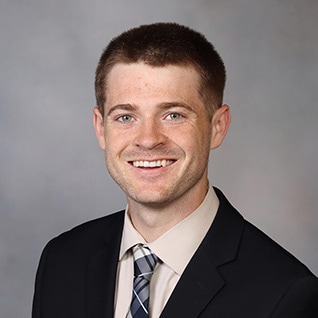 Jacob Greenmyer, M.D.
Medical school: University of North Dakota School of Medicine
Residency: Mayo Clinic, Pediatrics Residency
What attracted you to pediatrics (your specialty)? Pediatric hematology/oncology has the greatest basic science, the greatest social science, and the greatest patients, bar none. We get to nerd out about cellular biology. We get the unique privilege of caring for patients and families during the worst moments of their lives and the most triumphant moments of their lives. The relationship between an oncologist and a family is one of a kind.
What attracted you to Mayo Clinic for fellowship training? Do you have any special interests within the Peds (your specialty) program? I'm pursuing dual training in PHO and hospice/palliative medicine. One of the biggest strengths of Mayo’s PHO program is that it has the flexibility and intimacy of a small program with access to resources from one of the world’s premier research institutions. I have multiple research interests (quality improvement, pediatric palliative oncology, and clinical research) and am very supported to pursue all of these interests.
Did anything surprise you about Mayo's program? The PHO faculty are HILARIOUS! There is a collective, good-natured sense of humor and congeniality in the department that is perfect for such a serious job.
What is living in Rochester, Minnesota, like for you? Rochester affords one-of-a-kind ease for life for my wife, daughter, and me. My favorite things to do with my family are take walks around our neighborhood or sit on my deck and relax on summer nights. I take advantage of trout fishing and exploring state parks, which are only a 20-minute drive from my house.
Is there anything else you feel a future fellow may be interested in? If you can dream it, you can do it at Mayo.
Class of 2028
Asma Ali, M.B.B.S.
Medical school: Dow Medical College, Karachi, Pakistan
Residency: Mayo Clinic, Pediatrics Residency
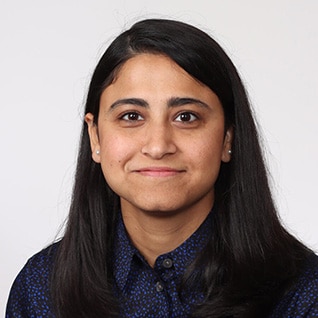 What attracted you to pediatrics (your specialty)? I was drawn to pediatrics because of the privilege of caring for children and their families during some of the most vulnerable moments of their lives. My interest in pediatric hematology/oncology grew through deeply meaningful clinical experiences that highlighted the importance of compassion, advocacy, and long‑term relationships. Caring for children with cancer and blood disorders—both in the U.S. and internationally—has been the most fulfilling part of my medical training and continues to inspire my work every day.
What attracted you to Mayo Clinic for fellowship training? Do you have any special interests within the Peds (your specialty) program? I was attracted to the Mayo Clinic Pediatric Hematology/Oncology fellowship because of its exceptional multidisciplinary care model and the strong culture of collaboration. The program truly prioritizes individualized training and mentorship. In my case, my interests in the genetics of cancer and bone marrow failure syndromes were supported through a tailored fellowship experience that integrates clinical care, genomics, and research. This flexibility and commitment to supporting fellows’ academic passions make Mayo Clinic a truly unique training environment
Did anything surprise you about Mayo's program? What pleasantly surprised me most was how invested the faculty and care teams are in fellows’ professional growth. There is a genuine sense of teamwork, approachability, and mentorship across all disciplines. The program fosters independence while ensuring strong support, which has been invaluable for both my clinical and scholarly development.
What is living in Rochester, Minnesota, like for you? Living in Rochester has been a wonderful experience. It offers the feel of a small city while being incredibly diverse, safe, and family‑friendly. I love the beautiful parks and trails, which I enjoy exploring on walks. The easy commute, minimal traffic, and strong sense of community allow for a great work–life balance and make it an ideal place for fellowship training.
Alexia Kessler, M.D.
Medical school: University of Central Florida, Orland,o FL
Residency: University of North Carolina, Chapel Hill, NC
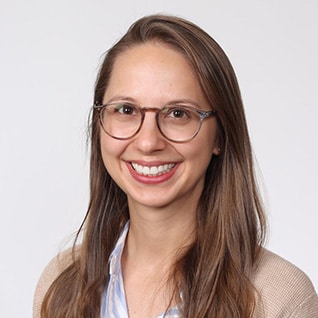 What attracted you to pediatrics (your specialty)? I love that you need to maintain your knowledge of every body-system, and there is a breadth to the field that makes it continuously challenging and never boring. Most importantly, I value the bonds that you build with patients and their families through the difficult conversations, the long treatments, and overcoming challenges together.
What attracted you to Mayo Clinic for fellowship training? Do you have any special interests within the Peds (your specialty) program? My husband had already matched at Mayo Clinic when I was applying, so I knew I wanted to be in Minnesota, but Mayo Clinic's close-knit peds hematology/oncology group, the flexibility of the program, and Mayo Clinic's world reputation made it a no-brainer. Exposure to our vascular malformations' clinic over the course of my first year has created a special interest area for me I didn't have going into fellowship, but my excitement over the field as a whole continues to grow!
Did anything surprise you about Mayo's program? The one-on-one teaching of hematopathology, transfusion medicine, and coagulation by trained education specialists - I could not believe a program would spend the extent of time and resources on a single fellow at a time, but here at Mayo they are all in to make sure we are well educated in our subspecialty. I was also pleasantly surprised with the Mayo system as a whole; the extent to which they demonstrate the value they place on all of their employees is second to none, which makes it a joy to work here. It's hard to explain, but it is like no other hospital system I've experienced before.
What is living in Rochester, Minnesota, like for you? Rochester provides a very low stress, convenient lifestyle, with everything you need within a 15-minute radius. My husband and I also love spending time outdoors, so we've really been enjoying exploring nearby parks, hikes at all times of the year, and rivers for tubing in the summer. I'm also a pretty big foodie, and I initially got the impression when I first moved here that the food scene was lacking - but I've slowly learned that there are several hole-in-the-wall high quality restaurants with a variety of multi-cultural cuisine I did not expect to be in Rochester.
Is there anything else you feel a future fellow may be interested in? A non-fellow dependent program is a HUGE plus for a training program. It allows for better mental health and more dedicated time spent on true depth of learning, and Mayo Clinic has beyond imaginable resources to make that time very worthwhile.