Page Content

Meet Our Fellows

The Nurse Practitioner or Physician Assistant Urology Fellowship accepts up to two fellows per year. Learn more about some our present and past fellows, what led them to Mayo Clinic, and their thoughts and experiences in the program.

Current fellows

Austin Chadwick, APRN, C.N.P., D.N.P.Austin Chadwick, APRN, C.N.P., D.N.P.

NP/PA Urology Fellow

Graduation: September 2026  
  
What attracted you to the fellowship? 
Having previously worked at Mayo Clinic as an Emergency Registered Nurse, I had the opportunity to experience firsthand the institution’s strong commitment to education, collaboration, and patient-centered care. What attracted me to the Mayo Clinic Urology APP Fellowship specifically was its structured approach to advanced training and the emphasis on developing clinical expertise within a supportive learning environment.  
  
Why did you choose to pursue a fellowship in urology? 
I chose to pursue a fellowship in Urology after being introduced to Urology while in my clinical rotations. Along with exposure from various urologic emergencies I had seen as an ER RN, I became drawn to the complexity of the specialty and the opportunity to care for patients across a wide range of conditions that significantly affect quality of life. Urology combines medical management, procedural care, and long-term patient relationships, which are all aspects of medicine that I find particularly rewarding. I knew pursuing this fellowship would help provide me with structured training and mentorship needed to build deeper expertise in the field.

What aspect of the fellowship do you find most fulfilling? 
The aspect of the NP/PA fellowship that I find most fulfilling is the opportunity for continuous learning while improving the care I provide to patients, all while within a protected learning environment. Having the ability to train in a structured environment where I can ask questions, discuss complex cases, and learn from mentors allows me to build both confidence and clinical competence. It helps bridge the gap from the general education I gained in school to understanding the Urologic specialty. It has allowed me to gain confidence in practice while also having the ability to build a deeper understanding of Urology.  
    
What makes the NP/PA Urology Fellowship at Mayo Clinic unique? 
What makes the NP/PA Urology Fellowship at Mayo Clinic unique is the combination of mentorship, education, and practice all within Mayo Clinic's collaborative, multidisciplinary care model. You will interact with a vast number of individuals from the not only our Urology staff but members from all across the Mayo campus. Collaboration and learning are of the most importance all while providing the best patient care. The ability to participate and receive education from the brightest individuals under one campus is an opportunity that will never be forgotten. 

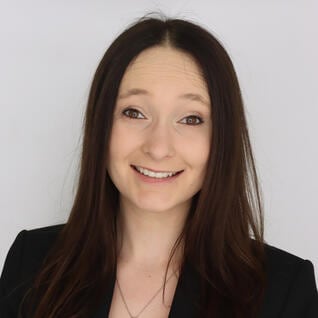
Kelsey Block, MPAS, P.A.-C., M.S.Kelsey Block, MPAS, P.A.-C., M.S.

NP/PA Urology Fellow

Graduation: February 2027

Why did you choose to pursue a fellowship in urology? 
During PA school, I was adequately prepared in general patient care, but I knew I wanted additional dedicated training to deepen my urologic knowledge and procedural skills. A fellowship offered the opportunity to focus on a specialty I was passionate about while developing confidence, competence, and clinical judgment in a structured learning environment.

What attracted you to the fellowship?
Mayo Clinic is internationally recognized as one of the leaders in urology, and the idea of learning from clinicians who have shaped the field was incredibly motivating. I first became aware of the fellowship program during my time as a hospital urology technician. I shadowed Michelle Bouquet PA-C, APP Urology Fellowship Program Director, and was impressed by the structure of the fellowship program. The fellowship’s combination of clinic, procedural, and surgical experiences across diverse subspecialties—including general urology, endourology, urologic oncology, advanced oncology, pediatric urology, men’s health, urogynecology, neurourology, and reconstructive urology—provides a wide range and depth of exposure that is truly unmatched.

What aspect of the fellowship do you find most fulfilling? 
The most fulfilling aspect has been the sheer number of structured learning opportunities built into the program. These include Lunch and Learns, Journal Club, Imaging and Pathology Conferences, Morbidity and Mortality, Guest Lectures, Tumor Board, Stone and Reconstruction case conferences, and many others have allowed me to continually broaden my knowledge. The culture of teaching is exceptional, and being part of an environment where education is prioritized has been incredibly rewarding.

How did the fellowship prepare you for your current position?
Each subspecialty rotation is intentionally designed to progress fellows from observation to guided participation and ultimately to independent practice—always with support available from experienced faculty and advanced practice providers. This gradual escalation of responsibility ensured that by the end of the program, I felt confident managing patients, performing procedures, and functioning efficiently within a multidisciplinary urologic team.

What makes the NP/PA Urology Fellowship at Mayo Clinic unique?
Mayo Clinic’s three shields represent research, clinical practice, and education. During my fellowship, I’ve witnessed firsthand the commitment to embodying these principles and the genuine passion for being part of a teaching institution. Additionally, the fellowship is distinguished by the complexity of patients Mayo Clinic attracts from around the world, which offers exposure to both common and rare urologic conditions. Lastly, the program’s robust educational opportunities—ranging from presentations to multidisciplinary case discussions—creates an exceptional learning environment. The combination of unique clinical experiences and consistent academic engagement makes this fellowship uniquely comprehensive. 

What are your future plans?
Transitioning into a physician assistant role within an outpatient urologic procedure center.

Past fellows

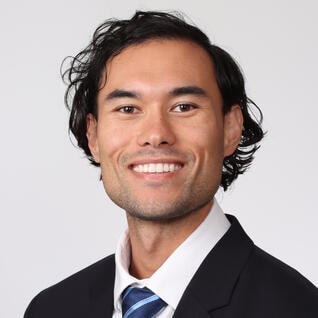
Lauren Fleenor, P.A.-C.

Lauren Fleenor, P.A.-C.

Current position: Mayo Clinic Urologic Oncology Physician Assistant
Graduation: 2023

Why did you choose to pursue a fellowship in urology?

I knew prior to beginning PA school that I wanted to specialize in Urology. I was able to complete elective rotations in general Urology through my program at Duke, but I wanted to have further exposure and training in various Urology sub-specialties to see what area might be the best fit for me. I was also excited to have the benefit of an additional year of training to feel my most confident in caring for complex patients here at Mayo. 

What attracted you to the fellowship?

The Mayo Clinic fellowship allows fellows to rotate through general urology, urologic oncology, pediatric urology, reconstructive urology, men’s health/sexual medicine, inpatient care, and procedural training. We receive comprehensive cystoscopy training as well as great exposure to other in-office procedures such as prostate biopsy. We also go to the OR with our urology surgeons to observe common (and less common) surgeries. Our department has a very impressive force of APPs and we get the privilege of working and learning alongside consultants who are top in the field and deeply involved in ongoing research and clinical trials. 

Show more
Heidi Schaffer, APRN, C.N.P., D.N.P.

Heidi Schaffer, APRN, C.N.P., D.N.P.

Current position: Mayo Clinic Urology Nurse Pracitioner, primarily in reconstructive urology and neurourology 
Graduation: 2021

What aspect of the fellowship do you find most fulfilling? 
I loved the relationships I got to build over that year. I interacted with all of my physician and APP colleagues which is unique as a specialty new grad. It was also excellent to track progression from when I was a true new grad to the end of the program and see measurable growth. 

How did the fellowship prepare you for your current position?
I would have been completely lost and overwhelmed starting in a specialty without the additional training and mentorship I received as an APP fellow. I started my position ready to go and was also trained in cystoscopy, which is an added benefit to fellowship. I felt much more confident in my abilities to care for complex patients having completed fellowship.

Show more
Corinna Hughes, APRN, C.N.P., D.N.P.

Corinna Hughes, APRN, C.N.P., D.N.P.

Graduation: 2021

What attracted you to the fellowship?
What attracted me to the fellowship is its strong emphasis on comprehensive, patient-centered care within a nationally recognized academic environment. Mayo Clinic’s integrated, team-based model aligns closely with my approach to clinical practice and my desire to function at the top of my scope while collaborating closely with physicians, APPs, nurses, and ancillary staff.

Show more

Career opportunities and advancement

A career as a nurse practitioner or physician assistant in urology requires ongoing education to maintain certifications and stay up-to-date with the latest urology advances.

There are also numerous opportunities for growth and specialization in the following areas:

  • Specialty focus: Concentrate on specific areas of urology (e.g., endourology, oncology, reconstruction, outpatient procedure center, men’s health, pediatrics, urogynecology)
  • Research: Participate in clinical trials or contribute to urology research
  • Education: Teach and mentor new NP/PA students, residents, or urology fellows
  • Leadership roles: Advance into roles such as urology program director, clinical manager, or leadership positions in urology