
Overview
The Autonomic Disorders Fellowship is a one-year program at Mayo Clinic's campus in Scottsdale, Arizona. We value our fellows and believe they are pivotal members of the autonomic disorders team. The program provides multifaceted learning and is intentionally structured to promote educational excellence and foster well-being.
During the fellowship, you will:
- Participate in the clinical assessment and management of patients with a wide variety of autonomic disorders
- Participate in interpreting the studies performed in the Autonomic Reflex Laboratory
- Have the opportunity to participate in clinical research and work with the related areas of movement disorders, peripheral neuropathy, and headache disorders
- Have elective time available
Program accreditation and application
Accreditation, certification, program history
Accreditation
The Autonomic Disorders Fellowship is accredited by the United Council for Neurologic Subspecialties (UCNS).
Certification
When you complete the fellowship, you will be eligible to sit for the UCNS autonomic disorders subspecialty certification examination.
Program history
Mayo Clinic has a long history of clinical and research activity related to autonomic disorders. The Mayo Autonomic Reflex Laboratory was founded in 1983 by Phillip Low, M.D., with Peter Dyck, M.D., and Jack P. Whisnant, M.D., who were instrumental in the early days. Until then, no quantitative tests of sudomotor or adrenergic function were available.
The quantitative sudomotor axon reflex test (QSART), which evaluates the integrity and function of the distal portion of the postganglionic sudomotor axon, was invented by Dr. Low. Patrick Caskey in Mayo's Section of Engineering helped with the design and construction of the unique sweat capsule. Tests of cardiovagal and adrenergic function were added later.
With the availability of beat-to-beat blood pressure recordings using a Finapres device, Mayo investigators coupled this technology with an evaluation of the phases of the Valsalva maneuver to provide a more detailed dissection of adrenergic baroreflex function in addition to a head-up tilt study.
Mayo Clinic's autonomic laboratory has become the nation's standard and the Mayo paradigm for the evaluation of sudomotor, adrenergic, and cardiovagal functions.
The Autonomic Disorders Fellowship in Arizona begins in 2026.
Application process
Positions
There is one position available on a competitive basis each year in the Autonomic Disorders Fellowship program at Mayo Clinic's campus in Scottsdale, Arizona.
Qualifications
To apply to the Autonomic Disorders Fellowship, you must have completed an accredited four-year residency in neurology and be board-eligible for the American Board of Psychiatry and Neurology examination.
Also see general admissions requirements.
How to apply
Mayo Clinic School of Graduate Medical Education does not process printed applications to this program. You must apply through Recruit, a third-party application service. No matching program services are used.
Mayo's academic year begins in July. You must submit a completed application form and all required documentation no later than Sept. 1 the previous year.
Complete the following steps to apply:
- Create an account to begin the online application for admission
- All applications to Mayo Clinic School of Graduate Medical Education programs must include these application materials
- After submission, view the required Supplemental Items and Documents
- Upload each required item in the Supplemental Items section (if applicable)
- Complete the Recommendation Request section (if applicable)
four-week blocks
weeks for elective opportunities
attend one national conference
Curriculum and training experience
Learn how the program will educate and train you in various ways.
Clinical training
While in the Autonomic Disorders Fellowship, you are an integral part of the autonomic disorders team. Your responsibilities include evaluating and treating challenging outpatient cases as well as learning to perform and interpret autonomic studies.
Conditions and symptoms you evaluate and treat include:
- Autonomic neuropathies, such as those due to diabetes and amyloidosis
- Autonomic ganglionopathies
- Central autonomic disorders, such as multiple system atrophy and Lewy body disease
- Pure autonomic failure
- Baroreflex failure
- Orthostatic intolerance
- Postural Orthostatic Tachycardia Syndrome (POTS) and associated comorbidities
- Pain syndromes with associated autonomic manifestations, such as erythromelalgia
- Small fiber neuropathies
- Idiopathic orthostatic hypotension
Electives, didactic training
Electives
You will receive eight weeks of elective time during your one-year fellowship.
Elective opportunities are available within neurology (movement disorders, neuromuscular, headache) and in other specialties (gastrointestinal motility disorders, aerospace medicine, rheumatology, etc.).
Didactic training
There is a requirement for you to participate in departmental conferences and in lecturing and training residents, fellows, and visitors in the autonomic lab and clinic. There is direct one-to-one interaction, supervision and education daily.
You will participate in clinical case conferences or research at:
- Neurology Grand Rounds, which are held at noon on Mondays
- Other departmental or interdepartmental conferences as needs and opportunities arise
Research opportunities, teaching opportunities, conferences
Research opportunities
You will have excellent research opportunities during your training. The hands-on clinical experiences in this Autonomic Disorders Fellowship, combined with our highly trained laboratory and statistical support teams, create an environment well-suited to scientific investigation.
Your participation in any research project depends on your professional interests and capabilities. Attendance at a national neuroscience meeting is available for original presentations.
Find out more about research in the Department of Neurology.
Teaching opportunities
You will have the opportunity to give formal didactics related to autonomic disorders to neurology residents during their Academic Half Day curriculum.
You will also have the opportunity to use elective time to teach at Mayo Clinic Alix School of Medicine during the first year neuroscience course.
Conferences
- Neurology Grand Rounds, which are held at noon on Mondays.
- Other departmental or interdepartmental conferences as needs and opportunities arise.
Mentorship, evaluation
Mentorship
A faculty adviser will be assigned to you to provide comprehensive educational advice and personal support. The adviser also serves as a point of contact, introducing you and your family to Mayo Clinic and the communities in which you will train.
Evaluation
To ensure you acquire adequate knowledge and develop the appropriate technical skills to meet program expectations, your performance is monitored carefully during the program. You will be formally evaluated by the supervising faculty member after each clinical rotation, and you will meet with the program director to review these evaluations. In addition, you will also regularly evaluate the faculty to ensure that your educational needs are being met.
Facilities and locations
The autonomic laboratory is at Mayo Clinic in Scottsdale, Arizona, and its facilities include three tilt-table study rooms.
Mayo Clinic has a very sophisticated, well-developed electronic medical record system. The system, which covers both inpatient and outpatient medical interactions, is integrated throughout all Mayo campuses and facilities. It allows for rapid retrieval of all clinical, laboratory, and imaging studies for patients.
A robust department intranet site provides ready access to extensive online resources for neurological education.
Program leadership
From the program director
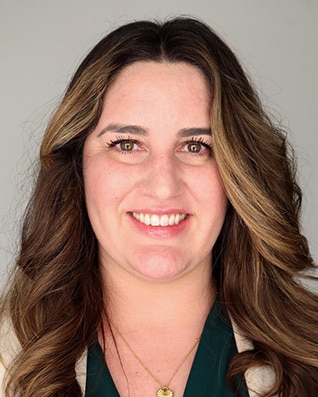 On behalf of our Autonomic Disorders Fellowship program at Mayo Clinic in Arizona, I extend a warm welcome to you.
Our fellowship fosters an exceptional learning environment grounded in Mayo Clinic’s primary value: the needs of the patient come first. You will train in a collaborative, multidisciplinary setting where teamwork, professionalism, compassion, innovation, and respect are integrated into daily clinical practice.
Through close mentorship with autonomic specialists, you will gain experience in complex patient care, autonomic laboratory interpretation, and evidence-based decision-making. The program emphasizes individualized education, graduated autonomy, and a supportive environment that encourages professional growth.
The Autonomic Disorders Fellowship will provide you with the essential tools to evolve into a skilled and well-rounded clinician in this rapidly growing field. The program is intentionally structured to promote both educational excellence and trainee well-being. Formal and informal training in medical advocacy is integrated into the educational curriculum.
You are encouraged to contribute as emerging leaders within the division and institution. You are also encouraged to provide input on curriculum enhancements and program initiatives, helping shape the future of the fellowship through active engagement and shared leadership.
We have a fantastic group of accomplished and approachable faculty who are passionate about teaching, and look forward to welcoming you to our team!
Karissa Arca, M.D.
Autonomic Disorders Fellowship Fellowship Program Director
Department and faculty
Meet the faculty who are committed to guiding and supporting you throughout the fellowship.
Department
Each consultant has considerable experience in evaluating and treating people with complex neurological disorders, and each has individual clinical and research interests and expertise. The staff has collectively published many manuscripts in peer-reviewed journals.
Specific expertise of members of the staff and the reputation of Mayo Clinic lead to a high-volume practice with a high proportion of patients with complex and challenging medical problems. The experience of the staff, coupled with the high-quality, integrated and efficient practices of all clinical and laboratory specialties, makes Mayo Clinic one of the finest clinical practices of medicine in the world.
Meet the faculty
In addition to caring for patients in clinical practice, Mayo Clinic's faculty is committed to teaching and facilitating the growth of medical knowledge. Many of our faculty members have published and lectured extensively and are highly regarded in their fields.
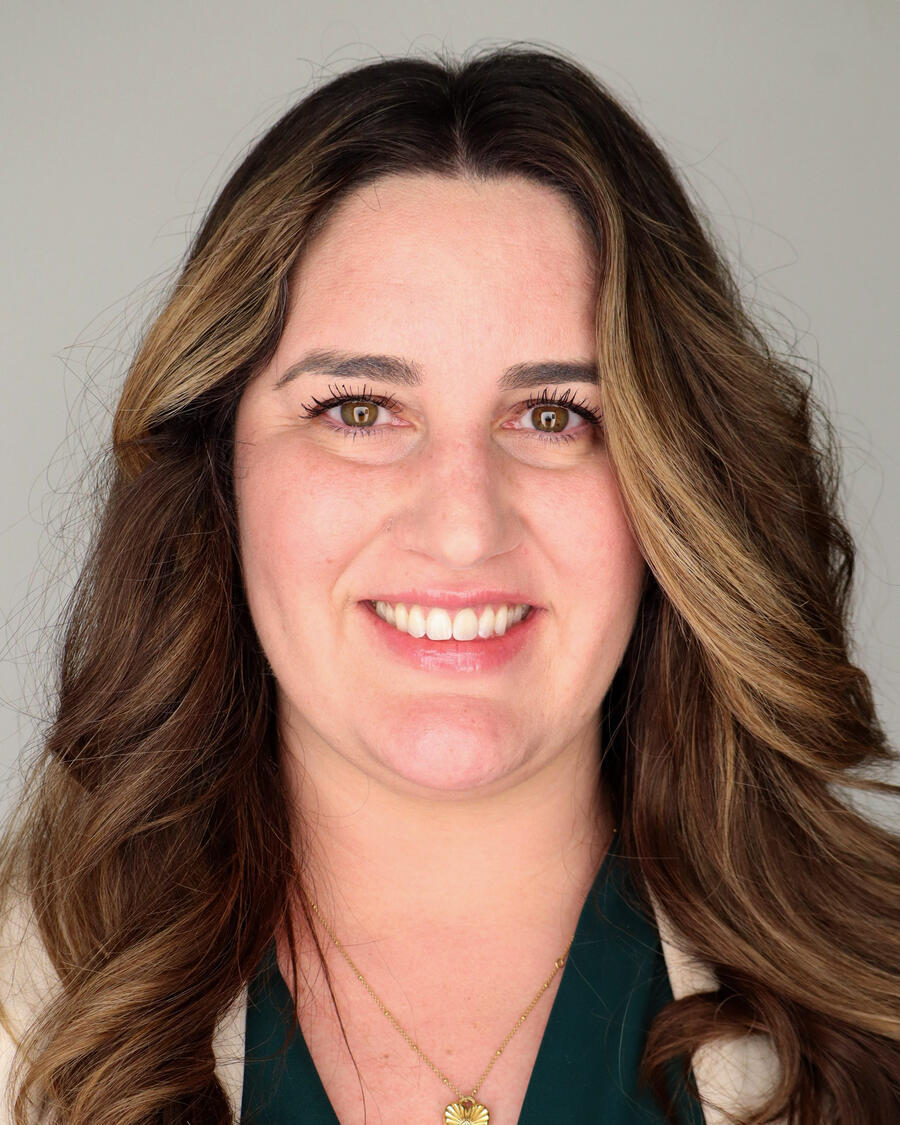 |
Karissa Arca, M.D.Dr. Arca is a neurologist with specialization in autonomic and headache neurology. Her clinical focuses are diagnosis and management of disorders affecting the autonomic nervous system; interpretation of autonomic reflex screening; diagnosis and management of complex headache disorders, including those co-existing with autonomic disorders; and patient advocacy and education. Dr. Arca has a special interest in the cross-section of autonomic and headache disorders. In addition to her clinical activities, Dr. Arca is active in research and education. She is the course director for the first-year neuroscience course at the Mayo Clinic Alix School of Medicine and provides additional education to medical students during their clinical clerkships. |
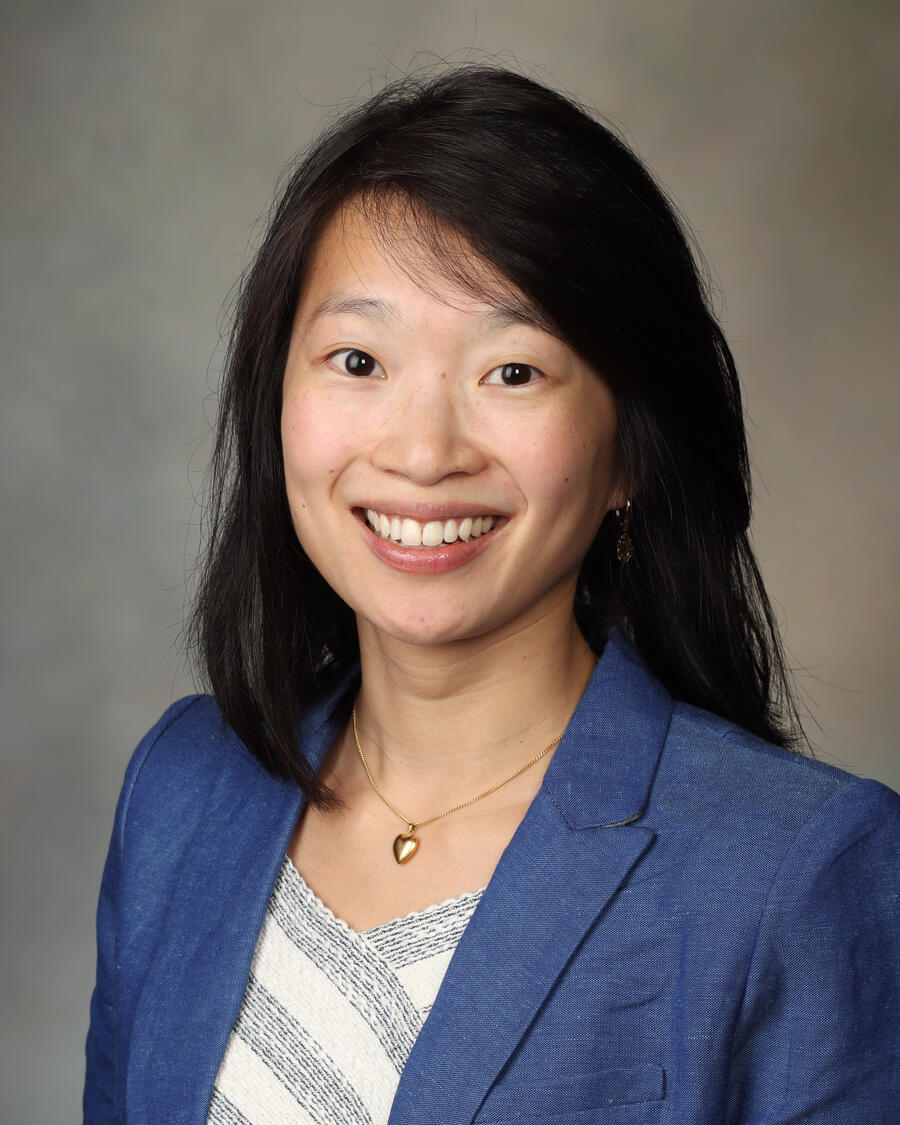 |
Shannon Chiu, M.D.Dr. Chiu has interests in Parkinson disease, Lewy body dementia, atypical parkinsonism, tremor, dystonia, deep brain stimulation, and biomarker development in movement disorders. Dr. Chiu also has interests in medical education. |
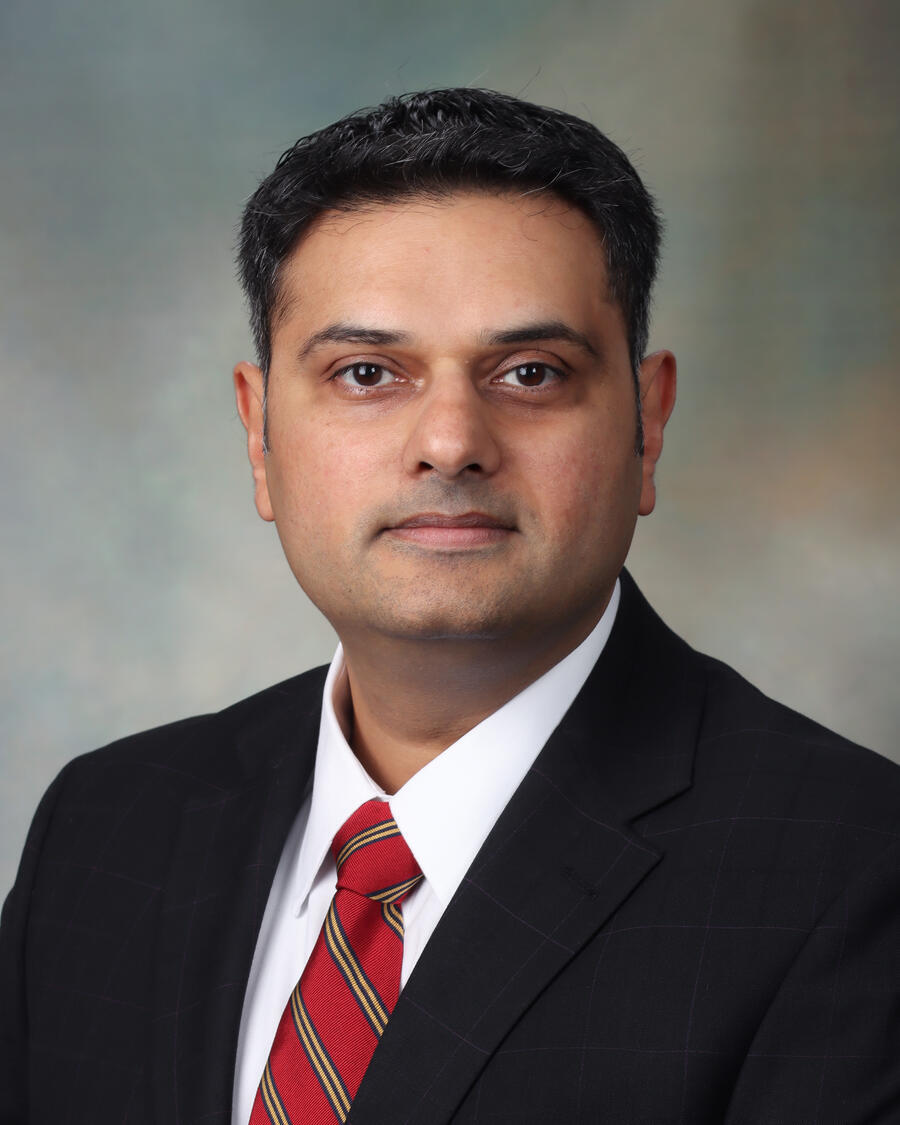 |
Sri Raghav Sista, M.B.B.S.Dr. Sista treats Charcot-Marie-Tooth disease, chronic inflammatory demyelinating polyradiculoneuropathy, Guillain Barre syndrome, inflammatory myopathy, inflammatory sensory ganglionopathy, Lambert-Eaton myasthenic syndrome, Lumbosacral plexopathy, Myasthenia gravis, and POEMS syndrome. |
 |
Julie Khoury, M.D.Dr. Khoury has interests in neuromuscular disorders, clinical neurophysiology, Myasthenia Gravis, amyotrophic lateral sclerosis, muscular dystrophy, and peripheral neuropathy. |
 |
Jackie Jacobi, M.D.Dr. Jacobi is a board-certified neurologist at Mayo Clinic in Arizona. She did her internship and neurology residency at Mayo Clinic in Rochester, Minnesota. Following residency, she completed fellowships in clinical neurophysiology and peripheral nerve disorders also at Mayo Clinic in Rochester, Minnesota. She then went on to complete a third fellowship in traumatic brain injuries and sports neurology at Barrow Neurological Institute in Phoenix, Arizona. Dr. Jacobi specializes in neuromuscular conditions and sports related/traumatic neurologic injuries. She has a special interest in peripheral nerve injuries in athletes and the management of neurologic conditions in athletes. |
 |
Mohamed Kazamel, M.B., B.Ch.Dr. Kazamel’s clinical focus is peripheral autonomic disorders like autonomic neuropathies and central autonomic disorders like multiple system atrophy (MSA). His research interest is focused on the autonomic neuropathies seen in autoimmune disorders, DM, amyloidosis, and acute hepatic porphyrias. Another area of research interest is amyotrophic lateral sclerosis (ALS) epidemiology and validation of fluid and tissue biomarkers used to track ALS progression. |
Belonging
At Mayo Clinic, we foster an inclusive working environment and embrace the diversity of all our trainees, faculty, staff, and patients. Our Office of Belonging offers tremendous resources to support our mission of maintaining a welcoming atmosphere for all our employees, including our learners. We strive to provide culturally appropriate care and do our part to reduce healthcare disparities.
/0x0:1440x480/prod01/channel_2/media/studio-sites/mccms-reference-guide/1440X4801573348-380187-2-0024.jpg)
5:33
Video: See yourself at Mayo Clinic
Wellness initiatives
As a trainee, your physical and mental health are priorities to Mayo Clinic and the department. Trainees have access to several resources to promote well-being, as well as time off clinical duties to attend appointments.
- Fitness centers
- Groups on campus
- Well-being
Fitness centers
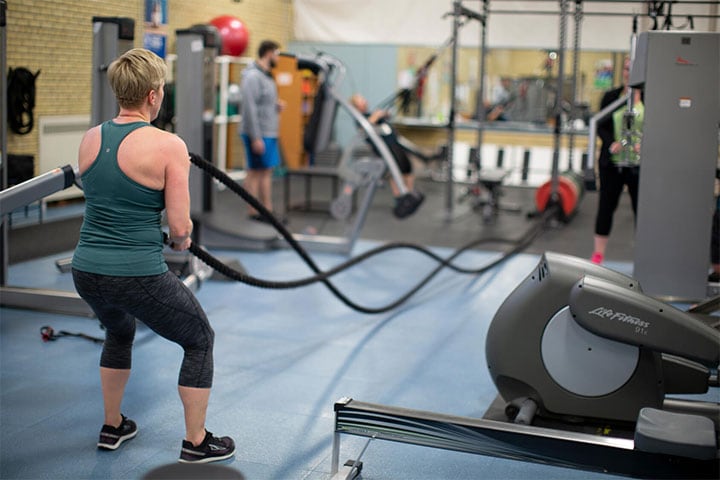 As a resident or fellow at Mayo Clinic in Arizona, you have access to PerkSpot, a Mayo Clinic employee discount program. PerkSpot provides you with many well-being options. Mayo Clinic residents or fellows at our three campuses can get discounted membership fees to area gyms.
All Mayo employees, including Arizona learners, can also sign up to take live virtual fitness classes or view recorded fitness classes offered by the Dan Abraham Healthy Living Center (DAHLC).
Groups on campus
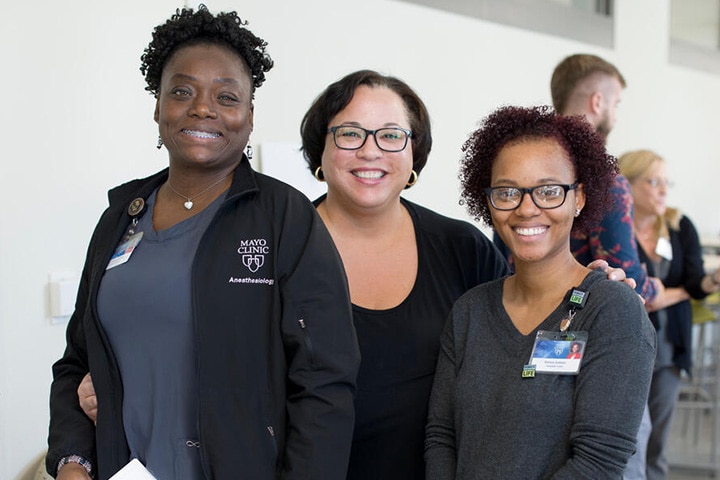 Opportunities to join a variety of groups on campus provide regular social activities and can help enhance your training while connecting with a broad group of peers.
Trainees have the opportunity to join a Mayo Employee Resource Group (MERG) at any time during their training program. MERGs are employee-led affinity groups to promote belonging, increase cultural awareness, and foster an environment of respect and inclusivity. Any Mayo Clinic employee can join a group of interest and choose their level of involvement.
Well-being
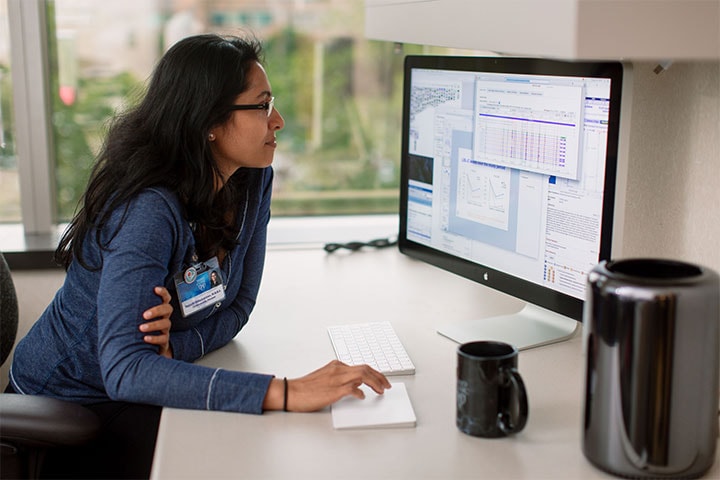 The Office of Academic Support and Well-Being provides resources to promote academic, emotional, social, cognitive, financial, and physical well-being. Career and academic services include academic advising, peer tutoring, and accommodations for learners with disabilities or health conditions. Mental health services, counseling, interview practice, and a variety of enrichment sessions on topics like budgeting, resiliency, and stress and burn-out are also available through the Academic Support and Well-Being office.
Mayo Fellows Association (MFA)
The Mayo Fellows Association (MFA) offers a peer and social support network for residents and fellows and their families with social events, athletics, and advocacy. The MFA also holds an annual resident and fellow appreciation event open to all trainees with complimentary massages, stress-reducing activities, and social support.
More from Mayo Clinic School of Graduate Medical Education
/0x0:512x512/prod01/channel_2/media/mccms/content-assets/academics/residencies-and-fellowships/3319834_0363-512X512.jpg)
Choosing Mayo Clinic
/0x0:512x512/prod01/channel_2/media/mccms/content-assets/shared-documents/campus-AZ-3180811-0001-pic-tile.jpg)
Phoenix/Scottsdale, AZ
/0x0:512x512/prod01/channel_2/media/studio-sites/mccms-reference-guide/512X5121676671_3824027_0010_C.jpg)
/0x0:440x220/prod01/channel_2/media/mccms/content-assets/campus-amp-community/arizona/440X220_sidebar-mayo-clinic-phoenix-arizona-is453080663.jpg)