
/0x0:512x512/prod01/channel_2/media/mccms/content-assets/academics/residencies-and-fellowships/cytopathology-fellowship-florida/mccms-cytopathology-fellowship-mobile-WF4380321_0282.png)
Overview
The Mayo Clinic Cytopathology Fellowship in Jacksonville, Florida, is a one-year, ACGME-accredited program designed to produce highly skilled, independent cytopathologists. Fellows experience a diverse volume of cases in a collaborative environment with access to innovative diagnostic techniques and cutting-edge technology.
Unique program highlights include:
- Comprehensive training in fine-needle aspiration, including ultrasound-guided FNA and on-site adequacy for EBUS, EUS, CT, and interventional radiology
- Broad exposure to exfoliative cytology (gynecologic and non-gynecologic specimens)
- Advanced training in touch imprint and core biopsy adequacy assessment
- Dedicated laboratory management rotation with completion of a quality improvement project submitted for abstract presentation
- Research opportunities in digital pathology and artificial intelligence/machine learning
- Collaborative teaching opportunities with residents, anatomic pathology fellows and cytologists, including a dedicated cytologist clinical rotation
- Exposure to approximately 12,000 gynecologic cytology specimens, 9,000 non-gynecologic cytology specimens, and 1,300 core biopsies each year
faculty-to-fellow ratio
blocks with flexibility for electives and protected research time
fellow accepted annually
Accreditation and application
Learn about the program's accreditation status, certification opportunities, and application process for prospective fellows.
Accreditation, certification, program history
Accreditation
This program fulfills the training requirements as defined by the American Board of Pathology and is accredited by the Accreditation Council for Graduate Medical Education.
Certification
After successfully completing the program, fellows are eligible to sit for the Cytopathology board certification exam offered by the American Board of Pathology.
Program history
The Cytopathology Fellowship at Mayo Clinic in Florida will welcome its first fellow in 2027 and will evolve to integrate novel technologies, advanced ancillary testing, and leadership development.
Application process
Positions
One position is offered each year. The program is highly selective, attracting strong candidates with demonstrated excellence in pathology training including abstract presentation at meetings and publications. Applicants are encouraged to highlight prior cytology experience, research achievements, and letters of recommendation supporting their diagnostic and procedural skills.
Qualifications
Applicants for the Cytopathology Fellowship program must have completed a U.S.-based, ACGME-accredited four-year Anatomic Pathology/Clinical Pathology residency program or three-year anatomic pathology residency program.
Also see general admissions requirements.
How to apply
The academic year begins July 1.
The application and all supporting documentation must be submitted by Oct. 15 of the year preceding the program start date.
Virtual interviews will be held shortly after the application window closes in late October and appointment decisions will be announced accordingly. Subsequent year interviews (2028 and beyond) will be in compliance with the cytopathology match rules.
Mayo Clinic School of Graduate Medical Education does not process printed applications for this program. Applications are submitted through Recruit, a third-party application service. No matching program services are used.
Curriculum
Develop knowledge, skills, and professional confidence through progressive training experiences, increasing responsibility, and close collaboration with faculty and multidisciplinary teams.
Clinical training
Fellows rotate through exfoliative cytology, fine-needle aspiration and interventional cytology, laboratory management, research (with artificial intelligence/machine learning focus), and electives. Progressive independence is granted with appropriate supervision.
Rotation schedule
| Rotation | Length |
|---|---|
| Cytology fine-needle aspirations | 4 blocks |
| Cytology exfoliative | 3 blocks |
| Interventional cytology | 2 blocks |
| Laboratory management (quality improvement project included) | 1 block |
| Digital artificial intelligence/machine learning | 1 block |
| Research | 1 block |
| Elective | 1 block |
Education and professional development
The program combines structured didactic instruction with ongoing professional growth opportunities.
Didactic training, electives
Didactic training
A structured didactic conference series covers diagnostic cytology, ancillary testing, laboratory management, and emerging topics in digital imaging and AI and machine learning. Fellows participate in tumor boards, journal clubs, and interdepartmental conferences.
Electives
Fellows can do a surgical pathology rotation or clinical pathology rotation of their choosing. Fellows can choose a specialty that they prefer. A month of elective time will be granted to study the chosen specialty. During this month, the fellow can spend one to four weeks on the following rotations. Available areas of focus include:
- Breast
- Cytopathology
- Dermatopathology
- Gastrointestinal
- Gynecologic
- Head and neck
- Hematopathology
- Hepatobiliary
- Neuropathology
- Pulmonary
- Renal
- Transplant
- Urologic
Conferences, procedures
Conferences
Fellows attend the following events:
- Cytopathology didactic lecture series
- Cytopathology Journal Club
- Quality Assurance Conference
- Multidisciplinary tumor boards
- Slide review session
- Unknown Case Conference
Procedures
The cytology lab completes more than 1,500 FNA adequacy assessments annually, plus a broad variety of exfoliative cytology specimens, touch imprints, and core biopsy adequacy evaluations. Ultrasound fine-needle aspiration is performed in the otolaryngology clinic and with endocrinology.
Research opportunities
Protected time for research is provided, with emphasis on projects in quality, case series, digital pathology, and artificial intelligence/machine learning. Fellows are expected to submit at least one abstract and manuscript during the fellowship year.
Recent publications by our department:
- Challenges and Opportunities in Cytopathology Artificial Intelligence. VandeHaar MA, Al-Asi H, Doganay F, Yilmaz I, Alazab H, Xiao Y, Balan J, Dangott BJ, Nassar A, Reynolds JP, Akkus Z.
Teaching opportunities, additional training opportunities
Teaching opportunities
Fellows will be expected to teach residents (shadowing during their initial cytology block), cytotechnologists, and cytotechnology students at the microscope and through formal presentations.
Additional training opportunities
Fellows will have the opportunity to participate in Mayo Clinic leadership development programming.
Call frequency, moonlighting
Call frequency
There are no call responsibilities. There may be selected evenings when there is a late procedure. However, the cut-off time for procedures is 4:30 p.m.
Moonlighting
Moonlighting is generally not permitted. Exceptions require written approval from the program director and must not interfere with training or violate duty hour policies.
Mentorship, evaluation
Mentorship
Fellows will receive direct mentorship from the program director and faculty. A faculty advisor is assigned to support professional development and research efforts.
Evaluation
To ensure that you acquire adequate knowledge and develop the appropriate technical skills to meet program expectations, your performance is monitored carefully during the program. You are evaluated formally by the supervising faculty member after each clinical rotation, and you will meet with the program director to review these evaluations. In addition, you will also regularly evaluate the faculty to ensure that your educational needs are being met.
Facilities and locations
Fellows train on the Mayo Clinic campus in Jacksonville. The cytopathology laboratory is fully integrated with the anatomic pathology service and features digital pathology, advanced laboratory information systems, a state-of-the-art digital imaging platform, and dedicated fellow workspaces.
Belonging
At Mayo Clinic, we foster an inclusive working environment and embrace the diversity of all our trainees, faculty, staff, and patients. Our Office of Belonging offers tremendous resources to support our mission of maintaining a welcoming atmosphere for all our employees, including our learners. We strive to provide culturally appropriate care and do our part to reduce healthcare disparities.
/0x0:1440x480/prod01/channel_2/media/studio-sites/mccms-reference-guide/1440X4801573348-380187-2-0024.jpg)
5:33
Video: See yourself at Mayo Clinic
From the program director
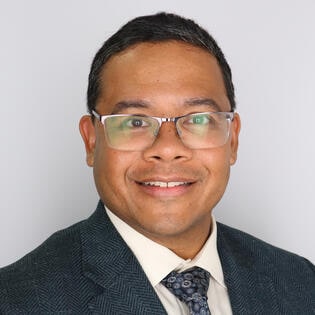 The Mayo Clinic Florida Cytopathology Fellowship offers a uniquely collaborative environment with access to outstanding faculty, diverse cases, and the latest advances in molecular and digital pathology. Fellows are valued members of the team and gain not only diagnostic expertise but also the leadership and communication skills necessary for a successful academic career.
Jordan Reynolds, M.D.
Cytopathology Fellowship Fellowship Program Director
Program leadership and faculty
Explore the department's educational environment and meet the faculty who help guide and support fellows throughout their training.
Department and faculty
The Department of Laboratory Medicine and Pathology at Mayo Clinic in Jacksonville, Florida, actively supports the lung, gastrointestinal, esophageal, bowel, hepatology, breast, heart, hepatobiliary, and kidney subspecialties with pathology services and educational programs.
The hospital cytopathology service covers the bronchoscopy suite, gastrointestinal suite, interventional radiology, and otolaryngology. Fluid samples come from the hospital, intensive care unit, and the outpatient clinic.
The core faculty are board certified in cytopathology with 40 years of experience in teaching and research. Two are professors, and one is an assistant professor with award-winning research at prestigious national meetings and publications in high impact journals. They will offer one-on-one teaching with dedicated time and mentoring to the fellow.
Meet the faculty
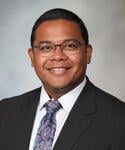 |
Jordan Reynolds, M.D.Program director Dr. Reynolds is an expert in cytopathology and genitourinary pathology, with specialized interests spanning molecular cytology, fine needle aspiration, and gynecologic cytology. He serves as director of cytology, leading innovations that advance patient care, and is actively involved in national leadership, diversity initiatives, and education. Dr. Reynolds is a graduate from the Mayo Clinic Rochester Cytopathology fellowship. |
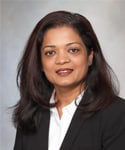 |
Shweta Agarwal, M.D.Anatomic and clinical pathologist Dr. Agarwal is a board-certified pathologist with specialized expertise in head and neck pathology and cytopathology, supported by advanced training at leading academic medical centers. Her clinical and research interests focus on the diagnosis and study of head and neck–related cancers, including salivary gland, thyroid, and oral cavity malignancies. |
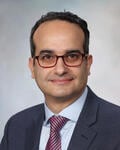 |
Fadi Salem, M.D.Cytopathologist Dr. Salem is a professor of pathology who specializes in medical renal pathology and cytopathology. |
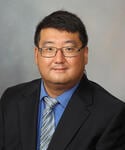 |
Michael Roh, M.D., Ph.D.Dr. Roh is a nationally and internationally recognized leader in cytopathology, gynecologic pathology and endocrine pathology. He is known for his research in innovative cytologic techniques including molecular cytology, cell transfer technique, and immunocytochemistry. |
Wellness initiatives
As a trainee, your physical and mental health are priorities to Mayo Clinic and the department. Trainees have access to several resources to promote well-being, as well as time off clinical duties to attend appointments.
- Fitness centers
- Groups on campus
- Well-being
Fitness centers
 Mayo Clinic residents or fellows can experience 24/7 free access to the Bill Hewitt Employee Wellness Center — opened in the summer of 2024 and spans 6,700 square feet with modern cardio machines, weight machines, free weights, a studio for live classes, and includes showers and locker rooms for convenience.
Additionally, residents or fellows at our three campuses get discounted membership fees to area gyms. In Jacksonville, Florida, residents and fellows can obtain an exclusive discount with the YMCA (several locations).
Groups on campus
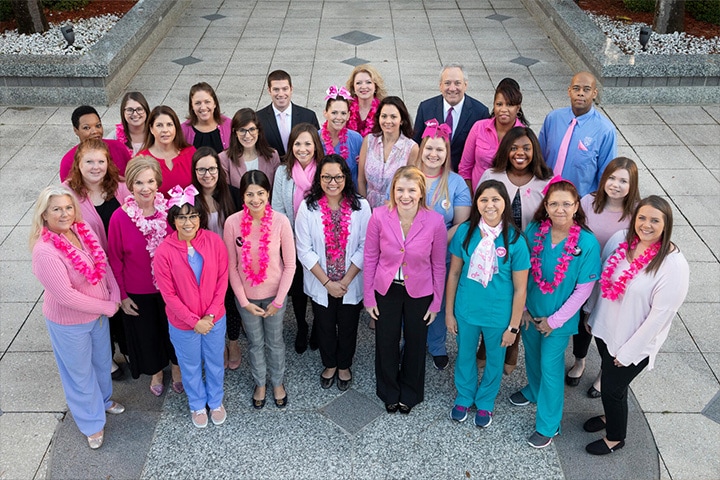
Opportunities to join a variety of groups on campus provide regular social activities and can help enhance your training while connecting with a broad group of peers.
Trainees will have the opportunity to join a Mayo Employee Resource Group (MERG) at any time during their training program. Mayo Employee Resource Groups (MERGs) are employee-led affinity groups to promote belonging, increase cultural awareness, and foster an environment of respect and inclusivity. Any Mayo Clinic employee can join a group of interest and choose their level of involvement
Well-being
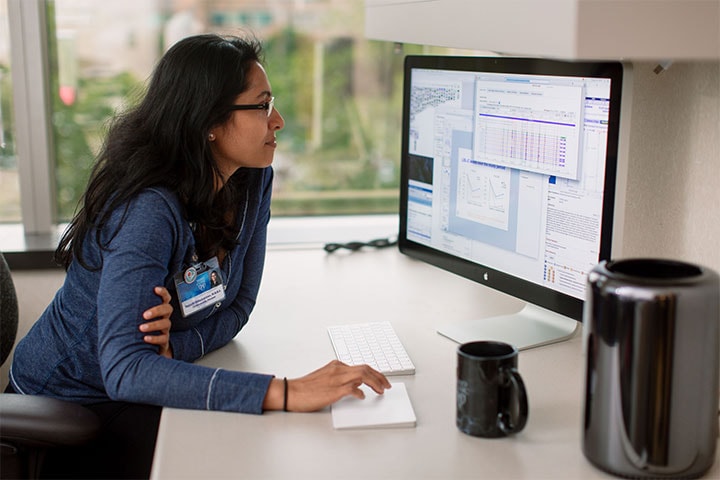 The Office of Academic Support and Well-Being provides resources to promote academic, emotional, social, cognitive, financial, and physical well-being. Career and academic services include academic advising, peer tutoring, and accommodations for learners with disabilities or health conditions. Mental health services, counseling, interview practice, and a variety of enrichment sessions on topics like budgeting, resiliency, and stress and burn-out are also available through the Academic Support and Well-Being office.
Mayo Fellows Association (MFA)
The Mayo Fellows Association (MFA) offers a peer and social support network for residents and fellows and their families with social events, athletics, and advocacy. The MFA also holds an annual resident and fellow appreciation event open to all trainees with complimentary massages, stress-reducing activities, and social support.
More from Mayo Clinic School of Graduate Medical Education
/0x0:512x512/prod01/channel_2/media/mccms/content-assets/academics/residencies-and-fellowships/3319834_0363-512X512.jpg)
Choosing Mayo Clinic
/0x0:512x512/prod01/channel_2/media/mccms/content-assets/shared-documents/campus-FL-Jax_Davis_Bldg_Mar2003_R-pic-tile.jpg)
Jacksonville, FL
/0x0:512x512/prod01/channel_2/media/studio-sites/mccms-reference-guide/512X5121676671_3824027_0010_C.jpg)
/0x0:440x220/prod01/channel_2/media/mccms/content-assets/campus-amp-community/florida/440X220_sidebar-mayo-clinic-jacksonville-fl-shu244045420.jpg)