
Department and Faculty
/prod01/channel_2/media/mccms/content-assets/academics/residencies-and-fellowships/neurologic-surgery-residency-florida/department-and-faculty/neuro-surg-res-fl-1024X512-WF6619496-0001.png)
From the chairman
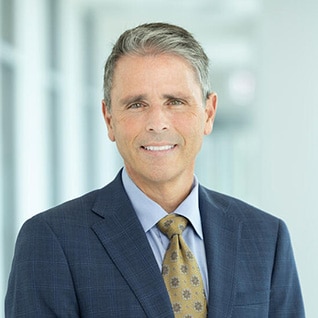 On behalf of the faculty, residents, and staff of the Department of Neurosurgery, I am pleased to welcome you to the special field of neurosurgery, and to our comprehensive training program at Mayo Clinic Florida. It is our honor and passion to train the next generation of neurosurgery leaders in a very busy and well-balanced program. As a part of the Mayo Clinic system, the department maintains the same values, and continues the same rich tradition in neurosurgery training established over one hundred years ago.
Since its founding, the growth of the department of neurosurgery has paralleled the extraordinary growth of Mayo Clinic Florida and will continue to grow over the decades to come. Thirteen full time clinical faculty at Mayo Clinic Florida, thirty-four associate faculty, 11 APPs and our 5 research faculty all participate in the training of our residents. Residents also rotate at Wolfson’s Children’s Hospital and University of Florida Jacksonville to augment their experience in pediatric and trauma neurosurgery.
We encourage resident-applicants to visit our program for externships and interviews. You are welcome to visit our neurosurgery program and learn the advantages of working and living near the ocean in one of the fastest growing regions of the country in beautiful northeast Florida.
Richard Byrne, M.D.
Chair, Neurologic Surgery
Department
The Department of Neurosurgery at Mayo Clinic's campus in Jacksonville, Florida, includes subspecialty teams in complex and minimally invasive spine, cerebrovascular, tumor, skull base, and functional neurosurgery.
Many cases are straightforward neurosurgical problems, which include brain tumors, cerebral aneurysms, and spinal disease. This allows neurosurgical residents to become skilled in the management of typical neurosurgical problems. However, many complex cases are nationally or internationally referred to Mayo Clinic neurologists and neurosurgeons for evaluation and treatment. These difficult cases often require a multidisciplinary team approach to patient care, which broadens the educational opportunities for residents.
Surgical volumes
The average neurosurgical caseload at Mayo Clinic in Florida is approximately 4,000 major operations a year, including:
- Operations for brain tumor
- Operations for trauma
- Operations for vascular diseases (aneurysm, arteriovenous malformation [AVM], carotid, bypass)
- Transsphenoidal operations
- Operations for functional disorders (epilepsy, movement, pain).
- Peripheral nerve procedures
- Endovascular procedures
- Spinal procedures, including intradural spinal tumor and cases of complex spinal disease involving instrumentation
- Average chief resident operative caseload is approximately 450 operations a year
Skills laboratories
As a Mayo Clinic neurosurgery resident, you have access to several state-of-the-art skills labs for refinement of your techniques outside the operating room. These include cadaveric labs with full endoscopic and microscopic support, as well as a state of the art 3D-printed stimulation laboratory.
Additionally, four formal courses on open skull base techniques, endoscopic skull base techniques, microvascular anastomoses, and spinal instrumentation are completed by all residents prior to graduation, with further opportunities for formal instruction available to interested residents.
Faculty
In addition to caring for patients in their clinical practices, Mayo Clinic's faculty members are committed to teaching and facilitating the resident's development as a neurosurgeon. Many of the department faculty have published and lectured extensively and are well-regarded for their specialty and subspecialty expertise. All residents have close and frequent contact with these individuals throughout the training experience.
 |
Kingsley Abode-Iyamah, M.D.Associate Professor of Neurosurgery Specialty: Spine Care |
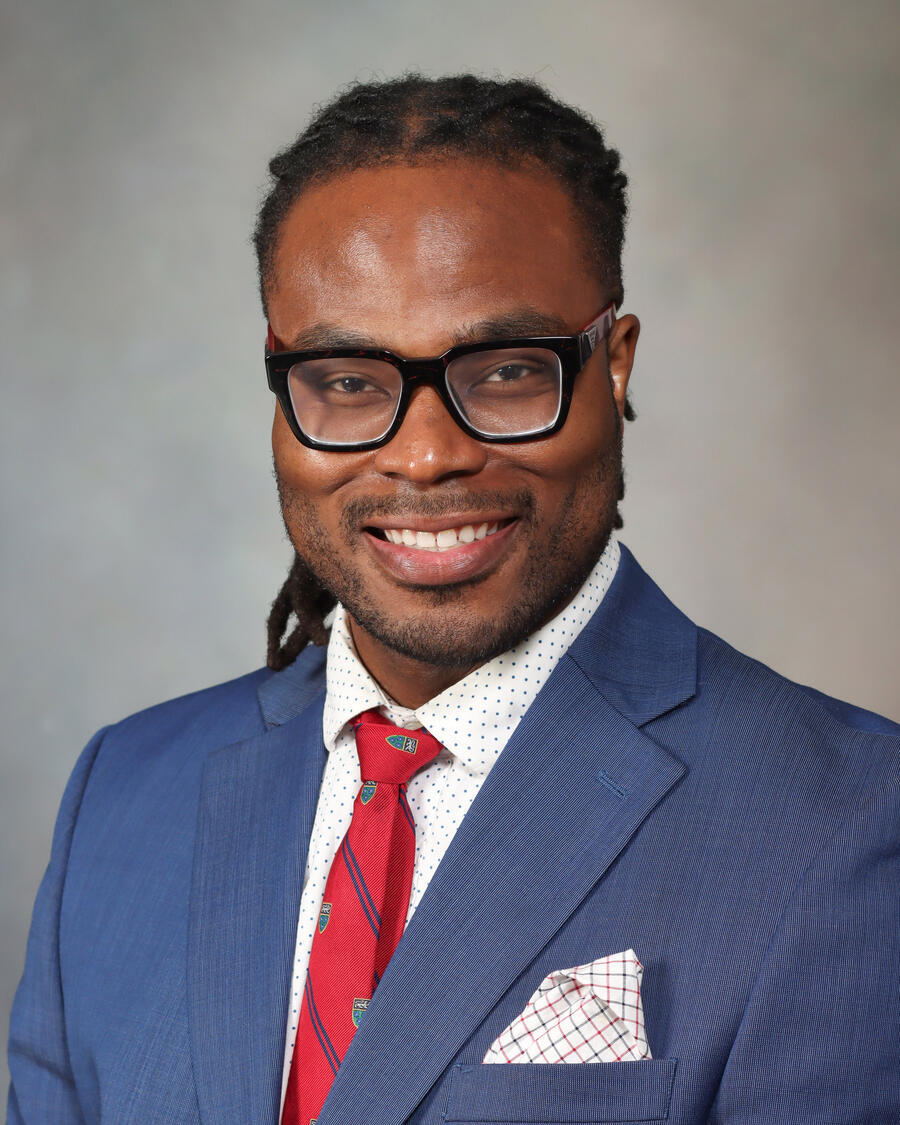 |
Oluwaseun Akinduro, M.D.Assistant Professor of Neurosurgery |
 |
Ian Buchanan, M.D.Assistant Professor of Neurosurgery Specialty: Spine Care |
 |
Rich Byrne, M.D.Department Chair of Neurosurgery Specialties: Brain Tumor Program and Epilepsy |
 |
Kaisorn Chaichana, M.D.Program Director for Neurological Surgery Residency Program Specialties: Brain Tumor Program and Cerebrospinal Fluid Dynamics Clinic in Florida |
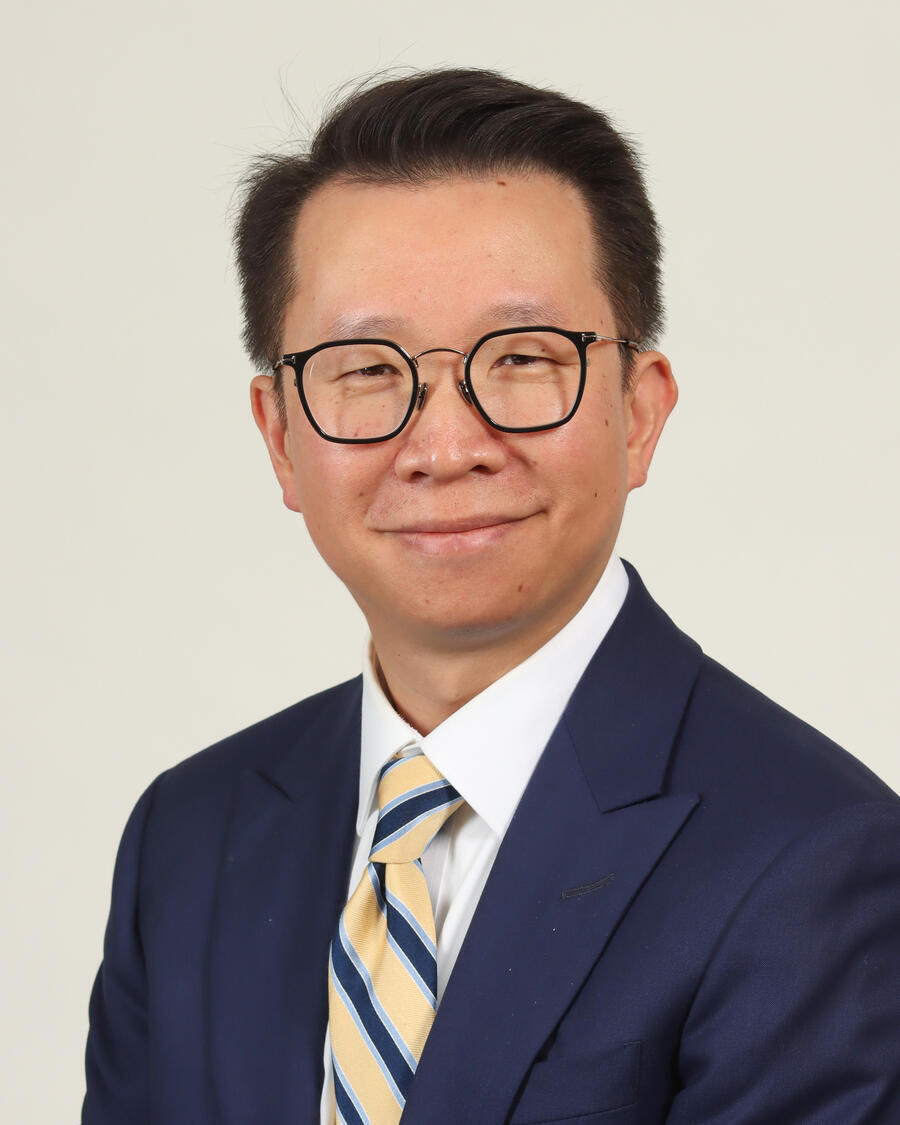 |
Selby Chen, M.D.Assistant Professor of Neurosurgery Specialty: Spine Clinic |
 |
Victoria Clark, M.D.Assistant Professor of Neurosurgery Specialties: Brain Tumor Program and Cerebrospinal Fluid Dynamics Clinic in Florida |
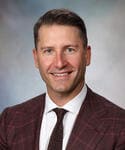 |
Chris Fox, M.D.Professor of Neurosurgery Specialties: Spinal Care and Neurovascular (Cerebrovascular) Surgery |
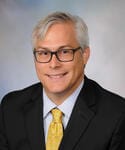 |
William Freeman, M.D.Professor of Neurosurgery and Neurology Specialties: Brain Tumor Program and Cerebrovascular Disease and Critical Care |
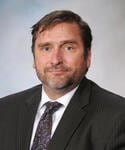 |
Eric Nottmeier, M.D.Professor of Neurosurgery Specialty: Spine Care |
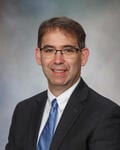 |
Stephen Pirris, M.D.Associate Professor of Neurosurgery Specialty: Spine Care |
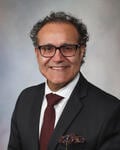 |
Alfredo Quinones-Hinojosa, M.D.Professor of Neurosurgery Specialties: Head and Neck Cancer Center, Brain Tumor Program and Cerebrospinal Fluid Dynamics Clinic in Florida |
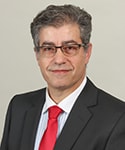 |
Rabih Tawk, M.D.Professor of Neurosurgery Specialties: Head and Neck Center |
Pediatric neurosurgery faculty
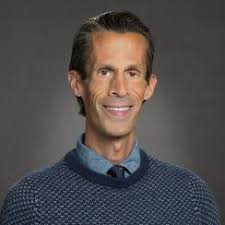 Nathan Ranalli, M.D.
Associate Professor of Neurosurgery and Pediatrics, University of Florida College of Medicine-Jacksonville
Nathan Ranalli, M.D., is a dual board-certified neurological surgeon and pediatric neurosurgeon who provides surgical care for children at Nemours Children's Health and Wolfson Children's Hospital in Jacksonville, Florida. His clinical interests include craniosynostosis, cleft and craniofacial anomalies, spasticity, brain and spinal cord tumors, hydrocephalus, tethered spinal cord, and traumatic brain and spinal cord injuries. Before joining Nemours Children's Health, Ranalli served as associate professor of neurosurgery and pediatrics at UF Health Jacksonville. Throughout his career, he has trained and mentored pediatric neurosurgeons and pediatric maxillofacial and craniofacial surgeons.
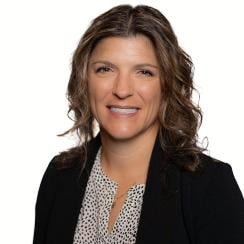 Alexandra Beier, D.O.
Professor of Neurosurgery and Pediatrics, Wolfson Children's Hospital
Alexandra Beier, D.O., is section chief of pediatric neurosurgery at Wolfson Children's Hospital. She earned her medical degree from Midwestern University, completed a neurological surgery residency at Michigan State University and a pediatric neurological surgery fellowship at the University of Toronto's Hospital for Sick Children. Beier's clinical interests include epilepsy surgery, pediatric spinal surgery, fetal central nervous system malformations, quality improvement and medical education. She serves as surgical director of the Pediatric Epilepsy Program at Wolfson Children's Hospital and has helped expand the program's epilepsy surgery capabilities. She is board-certified in neurological surgery by the American Osteopathic Board of Surgery and is a fellow of the American College of Osteopathic Surgeons, the American Academy of Pediatrics and the Congress of Neurological Surgeons.
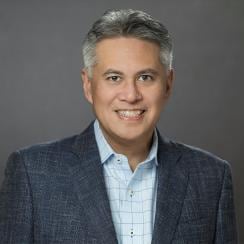 Philipp Aldana, M.D.
Professor of Neurosurgery, Mayo Clinic School of Medicine and Science, practicing at Nemours Children's Health and Wolfson Children's Hospital Jacksonville
Philipp Aldana, M.D., is chief of the Division of Neurosurgery at Nemours Children's Health Jacksonville and professor of neurosurgery at Mayo Clinic School of Medicine and Science. He also holds the H.E. James Endowed Chair in Pediatric Neurosurgery at Wolfson Children's Hospital and serves as co-director of the Stys Neuroscience Institute. Aldana earned his medical degree from Saint Louis University School of Medicine, graduating magna cum laude. He completed a neurological surgery residency at the University of Miami and a pediatric neurosurgery fellowship at the University of Utah and Primary Children's Medical Center. Since joining Wolfson Children's Hospital in 2006, Aldana has helped develop pediatric neurosurgery programs and expand neurosciences services. His clinical interests include stroke, neuro-oncology, spinal disorders and minimally invasive neurosurgery using neuroendoscopy. He also leads research examining revascularization surgery as a strategy to reduce stroke risk in children with sickle cell disease. In 2010, Aldana and his wife, Carmina, co-founded the Neurosurgery Outreach Foundation to support neurosurgical care and training in underserved communities around the world. In recognition of those efforts, he received the Humanitarian Award from the American Association of Neurological Surgeons in 2026.
Advisers and mentors
At the start of the PGY-2 or PGY-3 year, residents select or are assigned to neurosurgery faculty mentors. This relationship is established early in residency to encourage longitudinal development of a mentoring relationship, and to promise access to faculty members for advice throughout residency.
Mentors are expected to give close attention to the your goals, objectives, and spectrum of operative experience throughout the training program. The mentor can also help you choose a research project, give guidance about post-residency career planning, and serve as an advocate in post-training placement.
The chair is also intimately involved in the counseling and guiding of residents both during and after their tenures. Annual meetings are arranged between you and the chair to provide another mentoring perspective, individualize your training program, and discuss options for advanced subspecialty training pertaining to your career and professional aspirations.
Visiting professors
Many prominent professors visit Mayo Clinic each year. They present their work during lectures, participate in hospital rounds and have informal discussions with trainees. You are encouraged to take full advantage of these educational opportunities.