
Overview
The one-year Neuromuscular Medicine Fellowship at Mayo Clinic in Arizona provides training in the evaluation, diagnosis and treatment of neuromuscular disorders, including comprehensive EMG training.
The fellowship is designed for those who wish to pursue a career in academic neurology or within a group or private practice setting. The program balances clinical, procedural and research experience.
During the Neuromuscular Medicine fellowship, you will:
- Evaluate and manage patients with a spectrum of neuromuscular diseases as well as participate in a multidisciplinary ALS clinic
- Participate in the comprehensive laboratory assessment of patients, including nerve conduction studies and electromyography in both the inpatient and outpatient settings
- Learn the indications for and interpretation strategies for nerve and muscle biopsy
- Learn the approaches to state-of-the-art genetic testing and how to provide genetic counseling
- Create treatment strategies for patients with a large spectrum of neuromuscular diseases
Accreditation, certification, program history
Accreditation
This program is accredited by the Accreditation Council for Graduate Medical Education (ACGME).
Certification
When you successfully complete the Neuromuscular Medicine Fellowship, you will be eligible to complete the American Board of Psychiatry and Neurology (ABPN) Neuromuscular Certification examination, the American Board of Electrodiagnostic Medicine examination, and the United Council for Neurologic Subspecialties/Clinical Neuromuscular Pathology Certification.
Application process
Positions
There is one position available on a competitive basis each year in the Neuromuscular Medicine Fellowship at Mayo Clinic in Arizona, with opportunities to rotate through Mayo Clinic in Phoenix and Scottsdale, Arizona, and Mayo Clinic in Rochester, Minnesota, campuses, along with Phoenix Children’s Hospital.
Qualifications
- Successful completion of a residency program in either adult or pediatric neurology or physical medicine and rehabilitation accredited by the Accreditation Council for Graduate Medical Education or the Royal College of Physicians and Surgeons of Canada.
- Board eligible or certified by the American Board of Psychiatry and Neurology (ABPN).
- Licensed to practice medicine in Arizona or eligible for Arizona medical license.
Also see general admissions requirements.
How to apply
Our program is committed to abiding by the following fellowship application process. All submitted fellowship listings are posted on Jan. 1.
Applicants may submit application materials and supporting documents through the AANEM Fellowship Portal, but applications will not be visible to institutions until March 1.
The interview date for 2026-2027 Neuromuscular Medicine Fellowship candidates will be determined and announced at a later date. Fellowship positions will not be offered before June 1 of the year prior to the fellowship start date. More information about our program and how to apply through the AANEM Fellowship Portal will be available soon.
Curriculum
Clinical training
As a fellow, you will see patients in the Neuromuscular and ALS clinics on a regular basis. EMG training includes didactics and hands-on practice with the ability to perform supervised studies early in your fellowship year. You will have opportunities to perform inpatient EMG and complex inpatient neuromuscular consultation. There will be opportunities to rotate in pediatric Neuromuscular and EMG clinics at Phoenix Children’s Hospital. There will also be opportunities to spend additional time in the interpretation of nerve and muscle pathology, as well as interpreting autonomic testing.
Rotation schedule
| Rotation | Blocks |
|---|---|
| Neuromuscular Medicine (Clinic and Electromyography – Longitudinal Experience) | 9 |
| Clinical Neurophysiology and Electromyography (Foundational Training) | 2 |
| Nerve and Muscle Pathology (Mayo Clinic in Rochester, Minnesota) | 1 |
| Elective rotation (Autonomic Neurology, Physical Medicine and Rehabilitation, Pediatric Neuromuscular Neurology, or approved research) | 1 |
The program utilizes a 13-block schedule consisting of four weeks each.
Rotation descriptions, electives
Rotation descriptions
Clinical Neurophysiology rotation (CNP): fundamental EMG training, including basics of neurophysiology, introduction to performing nerve conduction studies and EMG. These lectures will be provided in the morning with the Neuromuscular Clinic in the afternoon.
Neuromuscular rotation (NM): Longitudinal experience which includes a mix of Neuromuscular Clinic (50%), EMG (40%), and rotations in pediatric EMG and Pediatric Neuromuscular Clinics (10%) at Phoenix Children’s Hospital.
Nerve and Muscle Pathology rotation (Mayo Clinic in Rochester, Minnesota)
Electives
- Autonomic Neurology
- Physical Medicine and Rehab
- Pediatric Neuromuscular Neurology
- Research
Didactic training, procedures
Didactic training
Didactic training is an integral part of the Neuromuscular Medicine Fellowship at Mayo Clinic in Arizona. In addition to direct supervision during the Neuromuscular Clinic and EMG, you will participate in:
- Clinical Neurophysiology/Electromyography Didactic Course (two months)
- Neuroscience Grand Rounds (weekly)
- Neuromuscular and EMG Conference (weekly)
- Peripheral Nerve Pathology Conference (monthly)
- Muscle Pathology Conference (monthly)
Procedures
During the first two months of the fellowship, you will participate in a structured educational program that emphasizes foundational knowledge and skill development in neuromuscular medicine. This period includes intensive didactic instruction and hands-on procedural training with direct faculty supervision for nerve conduction studies and electromyography. You will focus on learning appropriate indications, technical performance, interpretation, and patient communication related to these procedures. Progressive assessment of competency occurs throughout this initial phase to ensure readiness for increasing levels of responsibility later in the fellowship.
Conferences
- Neuroscience Conference/Neurology Grand Rounds – every Monday (12-1 p.m.)
- Neuromuscular Conference – every Thursday (12-1 p.m.)
- Nerve Pathology Conference – monthly on Tuesdays (5-6 p.m. Central Time)
- Muscle Pathology Conference – monthly (12-1 p.m. Central Time)
- Clinical Neurophysiology Case Conference – every Friday (7:15-8 a.m. Central Time)
- Clinical Neurophysiology Course – lectures two to three times per week - first eight weeks of academic year
Research opportunities
The fellowship incorporates 5% protected research time longitudinally across designated clinical blocks, equivalent to approximately one day per four-week block. This protected time allows you to engage in scholarly activity without interruption to core clinical training and supports progressive development of a research project over the course of the year. Research activities may include study design, data collection, literature review, data analysis, abstract preparation, and manuscript development, with mentorship provided by neuromuscular faculty actively engaged in clinical and translational research.
A unique strength of the program is access to a high-volume neuromuscular practice with a diverse population of patients with complex and rare neuromuscular disorders, including neuromuscular junction disorders, inherited neuropathies, myopathies, and amyloidosis. Faculty leadership is involved in multicenter clinical trials and industry, and federally funded studies, providing fellows exposure to investigational therapies and established research infrastructure. The longitudinal structure of protected research time allows fellows to integrate clinical experience with scholarly inquiry, preparing them for academic careers or research-informed clinical practice.
Teaching opportunities
As you progress in the fellowship, you will be able to teach neuromuscular medicine to neurology residents and medical students during their didactic sessions. In addition, you will be able to participate in providing EMG didactic training as well as participating in nerve conduction study practice sessions with neurology residents. You will present at weekly neuromuscular conferences, attended by faculty and rotating residents.
Additional trainings, moonlighting, facilities and locations
Additional trainings
In addition to core clinical rotations, fellows have access to a variety of additional training opportunities that enhance breadth and depth in neuromuscular medicine. These include exposure to pediatric neuromuscular and pediatric electromyography clinics through rotations at Phoenix Children’s Hospital, as well as opportunities to participate in autonomic testing, physical medicine and rehabilitation, and advanced interpretation of nerve and muscle pathology. Fellows also gain experience in multidisciplinary care through collaboration with specialists across neurology, pathology, rehabilitation, and genetics.
Fellows participate in a robust didactic curriculum that includes weekly neuromuscular conferences, electromyography and clinical neurophysiology conferences, Neuroscience Grand Rounds, and monthly nerve and muscle pathology conferences. As fellows progress, they have opportunities to develop teaching skills by providing instruction to neurology residents and medical students during didactic sessions and supervised procedural training. These additional experiences support professional development, reinforce clinical knowledge, and prepare fellows for academic, educational, or advanced clinical practice roles.
Moonlighting
The Neuromuscular Medicine Fellowship program will abide by the policy outlined by the Mayo Clinic School of Graduate Medical Education. Moonlighting can never be required and may not interfere with your ability to meet the outlined goals and objectives of the fellowship program.
Eligibility: You may participate in moonlighting within your core specialty, for example, neurology with the program director’s written approval and provided that duty hours are limited to no more than 80 hours per week with one day off in seven, averaged over four weeks.
Facilities and locations
Mayo Clinic in Scottsdale and Phoenix, Arizona, and Mayo Clinic in Rochester, Minnesota, campuses, and Phoenix Children’s Hospital.
Mentorship, evaluation
Mentorship
The Neuromuscular Medicine Fellowship utilizes a structured, longitudinal mentoring approach led by the program director and core neuromuscular faculty. From the start of the fellowship, you will receive close faculty guidance through direct clinical supervision, regular feedback during procedures, and scheduled evaluations. Mentorship is tailored to your clinical interests, career goals, and scholarly objectives, with progressive guidance as competency and independence increase over the course of the year.
You can expect an experience characterized by graduated autonomy, individualized instruction, and consistent faculty engagement. Early in the fellowship, mentoring focuses on foundational skill development and procedural competency with direct supervision, transitioning to increased responsibility as proficiency is demonstrated. You will benefit from frequent case-based teaching, participation in multidisciplinary conferences, and ongoing feedback that supports professional growth, clinical confidence, and readiness for independent practice in neuromuscular medicine.
Evaluation
To ensure that you acquire adequate knowledge and develop the appropriate technical skills to meet program expectations, your performance is monitored carefully throughout the program. You are evaluated formally by the supervising faculty member after each clinical rotation, and you will meet with the program director to review these evaluations. In addition, you will also regularly evaluate the faculty to ensure that your educational needs are being met.
Belonging
At Mayo Clinic, we foster an inclusive working environment and embrace the diversity of all our trainees, faculty, staff, and patients. Our Office of Belonging offers tremendous resources to support our mission of maintaining a welcoming atmosphere for all our employees, including our learners. We strive to provide culturally appropriate care and do our part to reduce healthcare disparities.
/0x0:1440x480/prod01/channel_2/media/studio-sites/mccms-reference-guide/1440X4801573348-380187-2-0024.jpg)
Video: See yourself at Mayo Clinic
5:33
From the program director
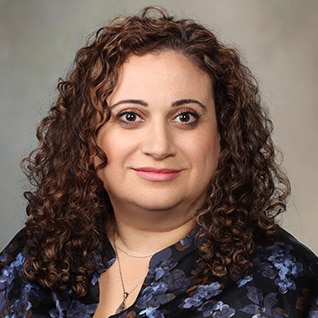 Welcome to the Neuromuscular Medicine Fellowship at Mayo Clinic in Arizona. Our program is designed to provide an exceptional learning environment grounded in close mentorship, high-volume clinical exposure, and thoughtful, individualized training.
You will train alongside dedicated faculty in a collaborative setting that emphasizes curiosity, clinical excellence, and compassion for patients with complex neuromuscular disorders. We are deeply committed to helping you grow into a confident, independent neuromuscular specialist prepared for academic or advanced clinical practice.
Your feedback is central to how our program evolves, and you are encouraged to share input regularly through formal evaluations and direct communication with faculty and program leadership. Training is intentionally structured to support well-being, with graduated autonomy, predictable scheduling, and a strong culture of support and collegiality.
You will also have opportunities to take on leadership roles through teaching residents and medical students, contributing to conferences, participating in quality improvement or scholarly activities, and engaging in departmental initiatives. We invite you to explore our program and consider joining us in a year of rigorous training, professional growth, and meaningful mentorship.
Julie Khoury, M.D.
Neuromuscular Medicine Fellowship Program Director
Department and faculty
The Department of Neurology at Mayo Clinic in Arizona is a highly integrated, collaborative department of neurologists specializing in the diagnosis, treatment, and research of conditions and diseases affecting the peripheral nervous system. Close collaboration among other Mayo Clinic specialists offers patients comprehensive care.
The department has a number of specialty clinics staffed by professionals dedicated to improving the quality of life for those affected by neurologic diseases.
Neurologists are also engaged in research projects involving their areas of interest, including new and investigational drugs.
Specific expertise of members of the staff and Mayo Clinic's reputation lead to a high-volume practice with a high proportion of patients with complex and challenging medical problems. The experience of the staff, coupled with the high-quality, integrated and efficient practices across all clinical and laboratory specialties, makes Mayo Clinic one of the finest clinical practices of medicine in the world.
Meet the faculty
P. James Dyck, M.D.
 |
P. James Dyck, M.D.P. James B. Dyck, M.D., is a consultant in neurology and a professor of neurology at Mayo Clinic College of Medicine in Minnesota. He received his medical doctorate from the University of Minnesota, completed a neurology residency at Washington University in St. Louis, Missouri, and completed peripheral nerve, EMG, and research fellowships at Mayo Clinic. In 1999, he joined the neurology faculty at Mayo Clinic.
Dr. Dyke is director of the Neuromuscular (Peripheral Nerve) Pathology Laboratory Fellowship at Mayo Clinic in Minnesota, the head of the peripheral nerve section, and chair of the International Congress of Neuromuscular Medical Diseases. He is the vice president of the International Consortium of Diabetic Neuropathy through the Peripheral Neuropathy Society and the past chair of the United Council of Neurologic Subspecialties Examination Committee for certification in clinical neuromuscular pathology. He is a member of the American Neurological Association and is a fellow of the American Academy of Neurology and has taught many of their courses.
Dr. Dyke has over 180 peer-reviewed papers and is a coeditor of the textbook Companion to Peripheral Neuropathy. His main research interests have focused on inflammatory diabetic neuropathies (diabetic and non-diabetic lumbosacral radiculoplexus neuropathy), bariatric surgery-associated neuropathy, chronic immune sensory polyradiculopathy (a new sensory CIDP), and an inflammatory polyradiculoneuropathy in pork plant workers exposed to aerosolized porcine brains.
|
Jackie Jacobi, M.D.
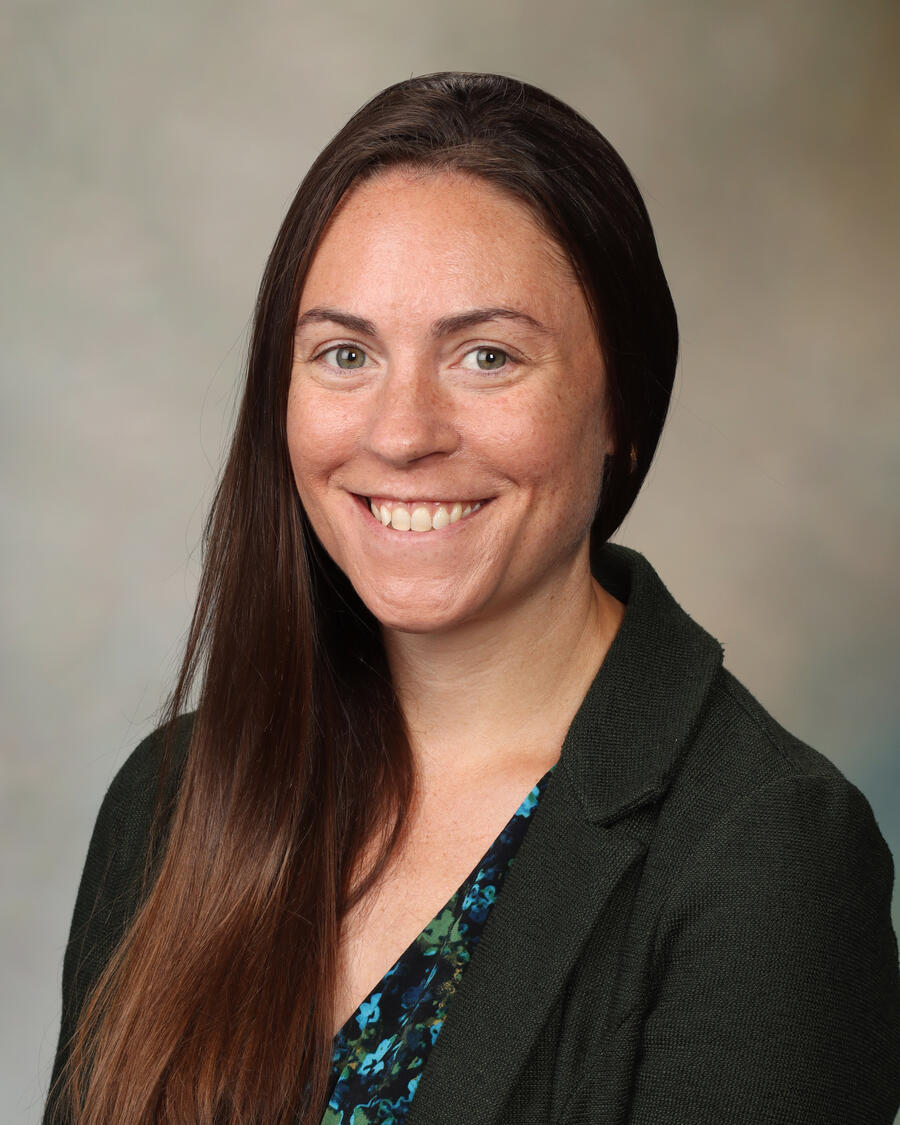 |
Jackie Jacobi, M.D.Dr. Jackie Jacobi earned her medical degree from Temple University in Philadelphia. At Mayo Clinic in Minnesota, she completed a fellowship in clinical neurophysiology, the Neurology Residency, and the Neuromuscular Disorders (Peripheral Nerve Disorders) Fellowship. She went on to complete a third fellowship in sports neurology at Barrow Neurologic Institute in Phoenix before joining Mayo Clinic in Arizona.
Dr. Jacobi is committed to helping trainees become well-rounded neuromuscular physicians. She would like to help our trainees feel confident managing complex neuromuscular conditions, including nerve, muscle, and neuromuscular junction diseases. In addition, they will learn to do EMG and neuromuscular ultrasound.
Dr. Jacobi enjoys getting to work with trainees and getting to know them as a person and a physician. Collaborating with each other in clinic and in the EMG lab throughout the year allows us to see a trainee’s growth. As a tertiary care center, we get to see a very wide variety of pathology and approaching these complex cases as a team with our fellows makes it a great place to learn and teach!
Dr. Jacobi loves seeing how much our fellows grow and learn throughout the year. She tries to come up with a few teaching points for every patient seen. She always learns best from the patients she sees rather than what she reads in a textbook. She also tries to explain things in different ways and reiterate the important concepts.
Dr. Jacobi believes that we have so many opportunities here at Mayo that we can really tailor the fellowship to help trainees achieve their individual career goals. There is a lot of research that trainees can get involved in for those who wish to pursue academics. We also have teaching opportunities with our residents and medical students for fellows who want to build their teaching skills, trainees who want to focus on building their clinical skills have extra clinic exposure.
Dr. Jacobi loves hiking and trail running! She spends a lot of time outside of work running ultramarathons. Arizona has amazing outdoor activities!
|
Stephen Johnson, M.D.
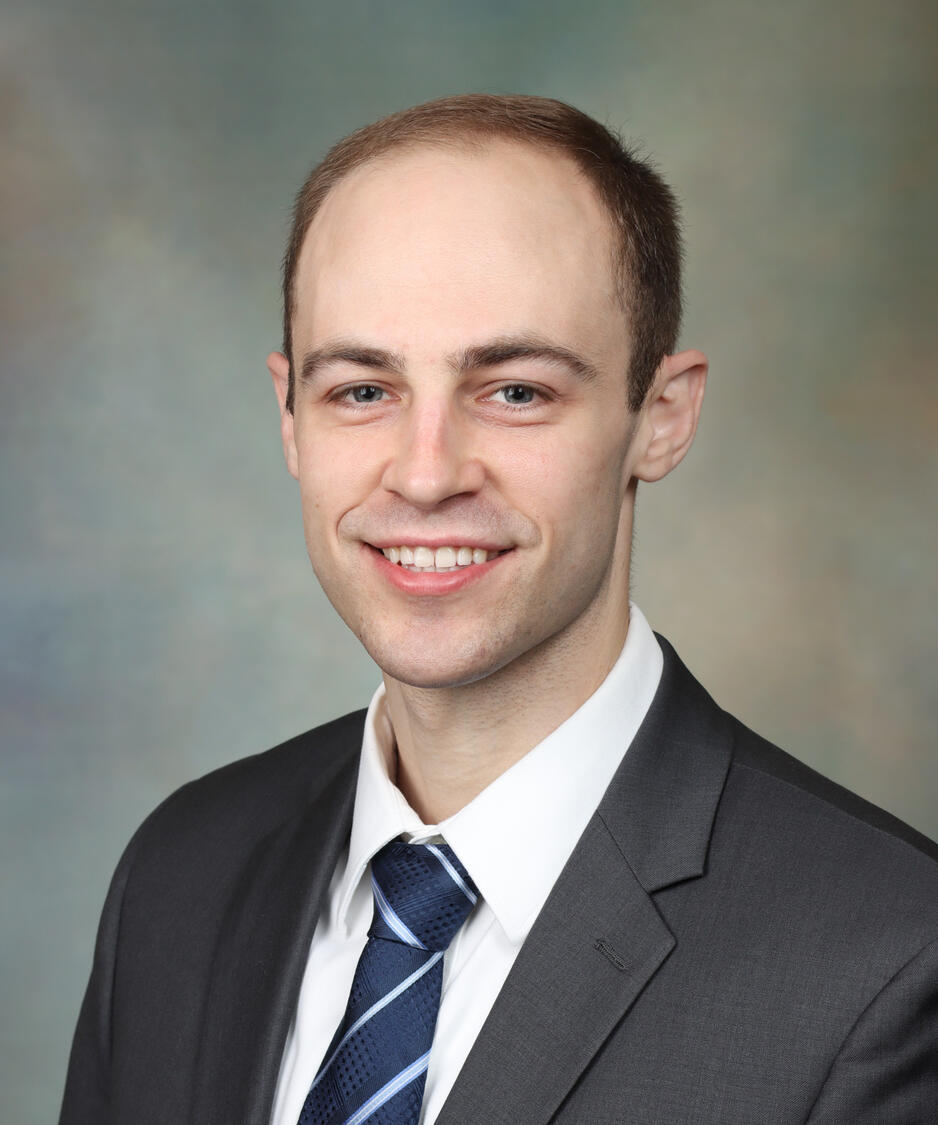 |
Stephen Johnson, M.D.Dr. Stephen Johnson completed the Neurology Residency at Mayo Clinic in Minnesota, followed by fellowship training in neuromuscular medicine and ALS clinical research at Mass General Brigham. His clinical focus within neuromuscular is ALS, and he directs the MCA ALS Multidisciplinary Clinic. Dr. Johnson’s research interests include interventional ALS clinical trials and the development of biomarkers to better monitor disease progression, therapeutic efficacy, and enhance patient quality of life.
Dr. Johnson’s commitment to our program is that education is a priority. We ensure that trainees get the most educational cases. We are also fortunate not to depend on trainees to function. This means that trainees are here to learn and not to cover a service line. We are fully committed to training the next generation of leading neuromuscular clinicians.
Dr. Johnson’s believes that Mayo Clinic is an amazing learning environment and has the resources and structure to ensure trainees receive the best training possible. Additionally, faculty are highly supportive, eager to teach, and wonderful to work with.
Mayo Clinic attracts curious, enthusiastic, and motivated individuals. Dr. Johnson believes that helping such individuals achieve their goals and mature into capable and confident neuromuscular clinicians is very rewarding.
Dr. Johnson lets trainees know that it’s always OK to ask questions. That’s the way we learn, and this is a safe, supportive environment where questions and learning are priorities.
In his free time, Dr. Johnson enjoys exploring new restaurants and outdoor activities like hiking, skiing, and wake surfing.
|
Mohamed Kazamel, M.B., B.Ch.
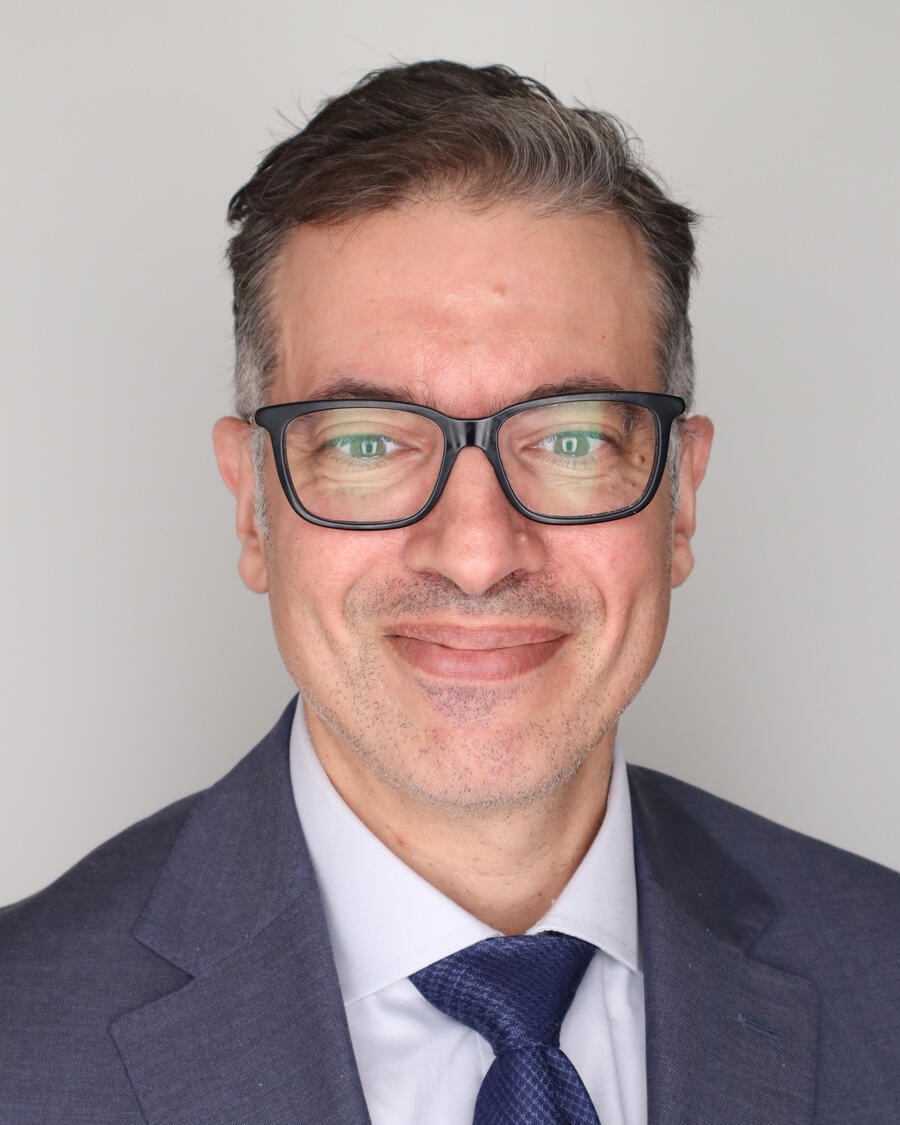 |
Mohamed Kazamel, M.B., B.Ch.Dr. Mohamed Kazamel obtained his medical degree from the Mansoura Medical School in Egypt followed by neurology residency at Mansoura University Hospitals. He then completed his neurology residency at the University of Alabama at Birmingham (UAB) Medical Center and the Neuromuscular Medicine Fellowship at Mayo Clinic in Minnesota.
Dr. Kazamel takes his level of commitment to trainees a little bit beyond teaching and training to involve being an actual mentor to them. This would involve developing their academic skills in different scholarly activities and providing them with career development advice. The one thing he always finds rewarding about teaching is seeing our program graduates become independent neuromuscular neurologists in a practice where they develop their own style of teaching and help spread the knowledge they acquired during training.
Dr. Kazamel tries to understand early on what the trainee’s early career goals are and adjusts his focus with them based on these goals. He realizes that all trainees are going to learn the basic clinical bedside and procedural skills. However, some may need to further their academic scholarly skills like preparing a platform presentation and manuscript drafting in addition to career development and job search. It all depends on the trainee’s goals at the end of the day. In addition, he goes into the first patient room and typically introduces the trainee to the patient as my colleague and our fellow.
Dr. Kazamel likes that at Mayo Clinic we have all the facilities and equipment that would help our trainees learn a diverse set of procedural skills. This eventually increases their options when they are searching for their first job at the end of training.
Dr. Kazamel is a long-distance runner and is continuously training for a marathon race. This helped him through the years to acquire some degree of patience and natural optimism.
|
Julie Khoury, M.D.
 |
Julie Khoury, M.D.Dr. Julie Khoury is a neurologist with advanced training in clinical neurophysiology who is also board-certified in neuromuscular neurology. She earned her medical degree from Loma Linda University, completed the Neurology Residency at Mayo Clinic in Arizona, and went on to complete the Clinical Neurophysiology Electromyography (EMG) Fellowship at Mayo Clinic in Minnesota.
Dr. Khoury’s clinical and academic interests are strongly aligned with excellence in patient care and physician training.
Dr. Khoury has been consistently involved in medical education at all levels, supervising and mentoring medical students, residents, and fellows. She considers teaching the next generation of physicians one of the most rewarding aspects of her career and is continually seeking innovative ways to enhance the quality and effectiveness of medical education.
Dr. Khoury emphasizes an interactive teaching style, fostering an inclusive and supportive learning environment.
|
Sri Raghav Sista, M.B.B.S.
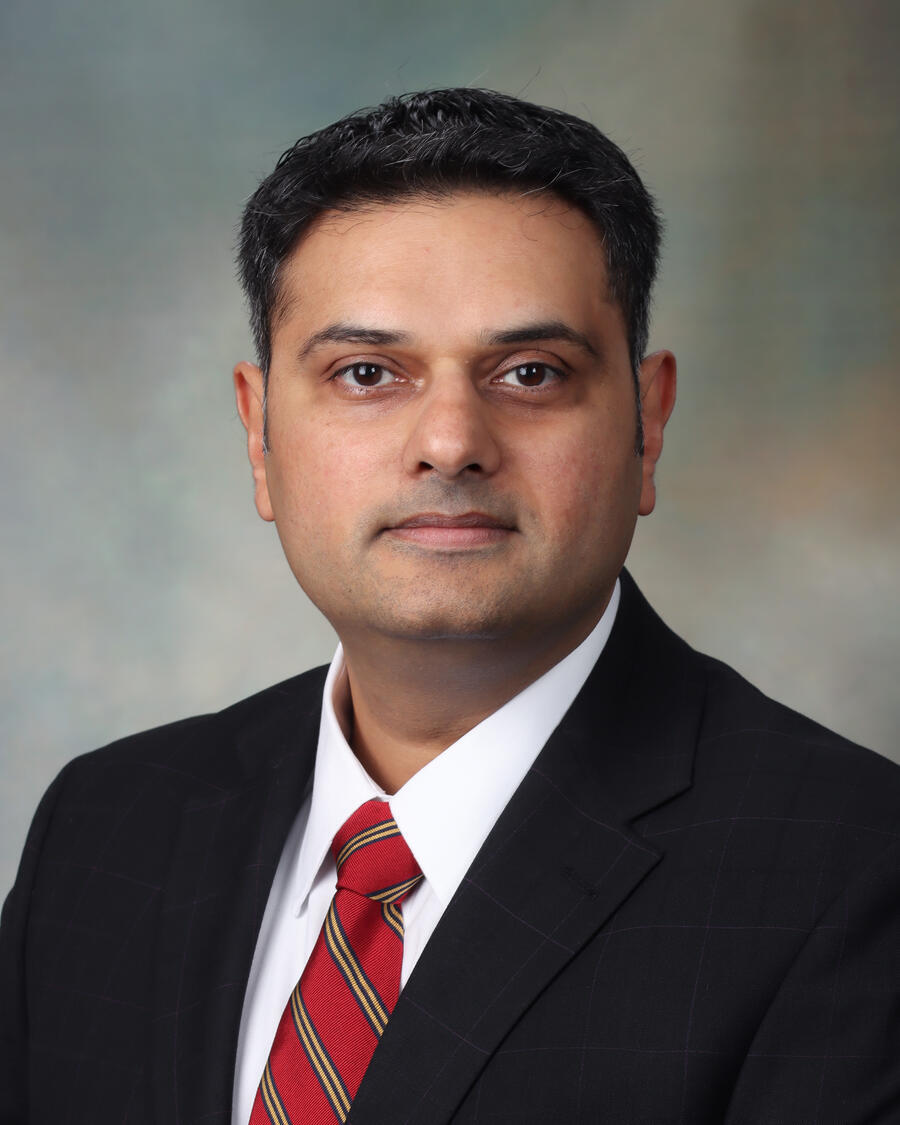 |
Sri Raghav Sista, M.B.B.S.Dr. Sri Raghav Sista completed his neurology residency at the University of Illinois, followed by fellowship training in clinical neurophysiology at Mayo Clinic in Minnesota and neuromuscular medicine at Duke University. He began his academic career at the University of Texas Health Science Center at Houston as a neurohospitalist and neuromuscular specialist, where he was recognized with the Teacher of the Year Award in his first year for excellence in resident education. In 2024, he joined Mayo Clinic in Arizona.
Dr. Sista remains deeply committed to medical education and is actively involved in neurology residency and neuromuscular fellowship training. His clinical interests include subacute neuromuscular disorders, neuromuscular junction diseases, and inpatient neurological disorders with a strong emphasis on thoughtful clinical reasoning, evidence-based care, and mentorship.
Dr. Sista’s commitment to trainees is to provide a supportive, approachable, and rigorous learning environment. He strives to be easily accessible, easy to work with, and available whenever fellows need guidance, while emphasizing practical evidence-based clinical decision making and high-quality patient care. He is also committed to giving honest, timely, and constructive feedback to help trainees grow clinically, academically, and professionally.
For Dr. Sista, a fellow is the same as his colleagues. He tries to establish a rapport, so they are free to approach him with any issue, whether they are related to clinical training or not. Dr. Sista partners with trainees by first understanding their individual backgrounds, strengths, and prior experiences, recognizing that no two trainees start at the same point. He then clarifies their short- and long-term career goals and tailors his guidance, clinical exposure, and feedback accordingly to help them reach those objectives.
Dr. Sista especially enjoys teaching at Mayo Clinic because of the complexity and diversity of neuromuscular disorders we see and the high caliber of our trainees. This unique combination creates an environment that allows us to demonstrate cutting-edge, evidence-based medicine and to teach best practices as they are described—and refined—in the textbooks. Teaching allows Dr. Sista to help transform motivated trainees into confident, independent specialists who deliver high-quality, evidence-based care. Being part of that growth and helping shape the next generation of neuromuscular clinicians is deeply fulfilling.
Dr. Sista trained at Mayo Clinic without planning to be close to family, but it worked out that he ended up living near his sister in Scottsdale purely by chance. He states that having his family nearby has been a great source of balance for him.
|
Wellness initiatives
As a trainee, your physical and mental health are priorities to Mayo Clinic and the department. Trainees have access to several resources to promote well-being, as well as time off clinical duties to attend appointments.
- Fitness centers
- Groups on campus
- Well-being
Fitness centers
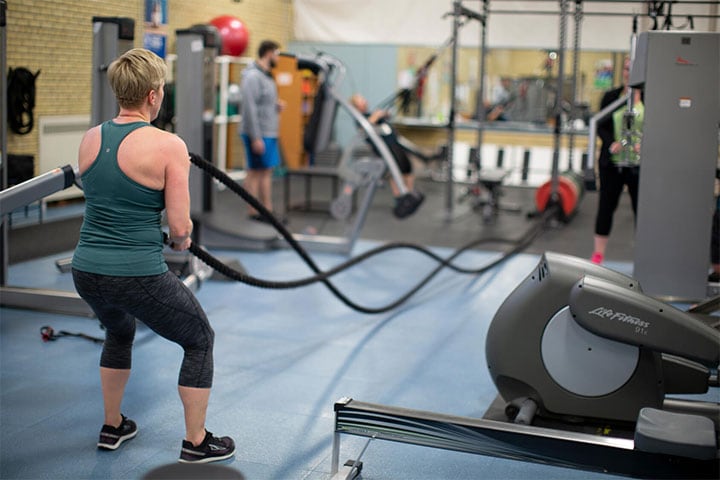 As a resident or fellow at Mayo Clinic in Arizona, you have access to an exclusive learners-only gym and wellness center conveniently located in Phoenix. Additionally, Mayo Clinic residents or fellows at our three campuses get discounted membership fees to area gyms through PerkSpot, the Mayo Clinic employee discount program.
All Mayo employees, including Arizona learners, can also sign up to take live virtual fitness classes or view recorded fitness classes offered by the Dan Abraham Healthy Living Center (DAHLC).
Groups on campus
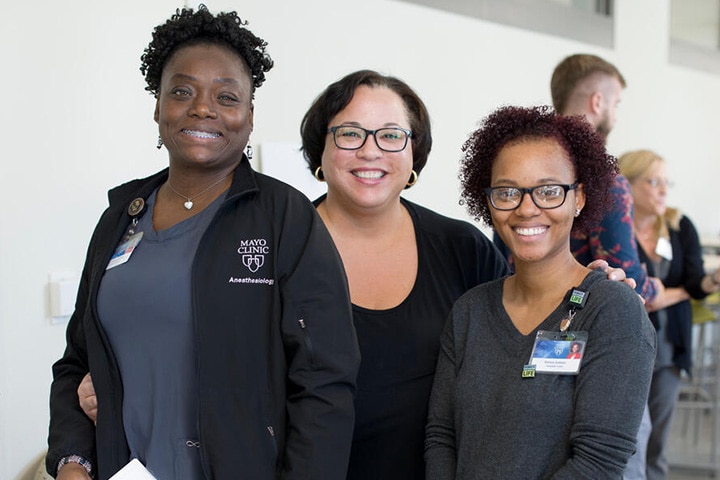 Opportunities to join a variety of groups on campus provide regular social activities and can help enhance your training while connecting with a broad group of peers.
Trainees have the opportunity to join a Mayo Employee Resource Group (MERG) at any time during their training program. MERGs are employee-led affinity groups to promote belonging, increase cultural awareness, and foster an environment of respect and inclusivity. Any Mayo Clinic employee can join a group of interest and choose their level of involvement.
Well-being
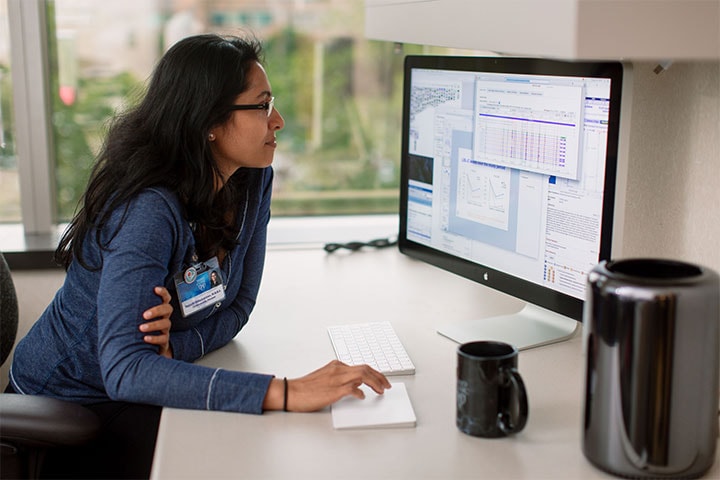 The Office of Academic Support and Well-Being provides resources to promote academic, emotional, social, cognitive, financial, and physical well-being. Career and academic services include academic advising, peer tutoring, and accommodations for learners with disabilities or health conditions. Mental health services, counseling, interview practice, and a variety of enrichment sessions on topics like budgeting, resiliency, and stress and burn-out are also available through the Academic Support and Well-Being office.
Mayo Fellows Association (MFA)
The Mayo Fellows Association (MFA) offers a peer and social support network for residents and fellows and their families with social events, athletics, and advocacy. The MFA also holds an annual resident and fellow appreciation event open to all trainees with complimentary massages, stress-reducing activities, and social support.
More from Mayo Clinic School of Graduate Medical Education
/0x0:512x512/prod01/channel_2/media/mccms/content-assets/academics/residencies-and-fellowships/3319834_0363-512X512.jpg)
Choosing Mayo Clinic
/0x0:512x512/prod01/channel_2/media/mccms/content-assets/shared-documents/campus-AZ-3180811-0001-pic-tile.jpg)
Phoenix/Scottsdale, AZ
Campus and community
/0x0:512x512/prod01/channel_2/media/studio-sites/mccms-reference-guide/512X5121676671_3824027_0010_C.jpg)
Stipend and benefits
/0x0:440x220/prod01/channel_2/media/mccms/content-assets/campus-amp-community/arizona/440X220_sidebar-mayo-clinic-phoenix-arizona-is453080663.jpg)