
/259x0:1296x1037/prod01/channel_2/media/mccms/content-assets/academics/residencies-and-fellowships/pulmonary-hypertension-fellowship-florida/pulm-hyper-fell-fl-1477271-3694669-0001.jpg)
Overview
The Pulmonary Hypertension Fellowship at Mayo Clinic in Jacksonville, Florida, is designed for a board-eligible or board-certified cardiology or pulmonary/critical care physician who desires additional training and expertise in the evaluation and management of pulmonary vascular disease.
This one-year program will include exposure to clinical research in varied aspects of pulmonary vascular disease and fellows will have dedicated time for research and scholarly activities.
As a Pulmonary Hypertension fellow, you will play an integral role in the longitudinal management of patients with pulmonary hypertension, to include the initial diagnostic evaluation, chronic outpatient management, and the inpatient management of pulmonary hypertension patients with right ventricular failure. You will spend the majority of your time evaluating and managing patients in Pulmonary Hypertension Clinic, but will also:
- Conduct inpatient pulmonary hypertension consultations
- Perform right heart catheterizations
- Rotate in other specialties, including heart failure, congenital heart disease, and heart/lung transplant
- Observe complex procedures for chronic thromboembolic pulmonary hypertension including balloon pulmonary angioplasty and pulmonary thromboendarterectomy
- Develop skills in the interpretation of echocardiography and chest imaging, including chest computed tomography, cardiac magnetic resonance imaging and ventilation-perfusion scans
- Participate in multidisciplinary conferences that coordinate care for chronic thromboembolic pulmonary hypertension and portopulmonary hypertension requiring liver transplantation
- Engage in scholarly activity under the supervision of expert faculty
Through the fellowship, you will also have opportunities to pursue electives in varied areas, such as cardiopulmonary exercise testing and interstitial lung disease.
Our Pulmonary Hypertension fellows will play an integral role in the longitudinal management of patients with pulmonary hypertension, to include the initial diagnostic evaluation, chronic outpatient management, management of right ventricular failure, and end-of-life care.
Highlights of the fellowship include:
- A favorable faculty ratio
- A large patient population
- State-of-the-art diagnostic, therapeutic, and research facilities
- A truly integrated and comprehensive educational experience
faculty-to-fellow ratio
new patient evaluations
follow-up evaluations
Accreditation, program history
Accreditation
The Pulmonary Hypertension Fellowship is an unaccredited program.
Program history
The Comprehensive Pulmonary Hypertension Center has been accredited by the Pulmonary Hypertension Association since 2015. The Pulmonary Hypertension Fellowship at Mayo Clinic in Jacksonville, Florida, will have its first fellow starting in July 2027. One fellow will complete training in this program annually.
Application process
Positions
One position is available on a competitive basis each year in the Pulmonary Hypertension Fellowship at Mayo Clinic's campus in Jacksonville, Florida. It is anticipated that several strong candidate applications will be received each year. A glowing recommendation from your prior program director and a commitment to long-term practice in pulmonary vascular disease will be emphasized.
Qualifications
To be eligible for the Pulmonary Hypertension Fellowship, you must have completed an Accreditation Council for Graduate Medical Education (ACGME)-accredited fellowship program in pulmonary and critical care medicine or cardiology.
Also see general admissions requirements.
How to apply
Mayo Clinic School of Graduate Medical Education does not process printed applications for this program. You must apply through Recruit, a third-party application service.
Our next position will be for July 2027. We will be offering interviews and potential positions on a rolling basis starting in July 2026, so it is recommended that you turn in your application materials promptly.
Complete the following steps to apply:
- Create an account to begin the online Application for Admission
- All applications to Mayo Clinic School of Graduate Medical Education programs must include these application materials
- After submission, view the required Supplemental Items and Documents
- Upload each required item in the Supplemental Items section
- Complete the Recommendation Request section
In addition to the standard application materials required by Mayo Clinic School of Graduate Medical Education, this program requires:
- Three letters of recommendation from your fellowship program must be completed in the Recommendation Request section. Each recommender will receive an email with a link to upload a letter.
Applicants considered for an appointment will be invited for a personal interview with the program director and selected faculty.
Most interviews are conducted from September through October each year. Interviews will be virtual until further notice.
Curriculum distribution
outpatient
research
inpatient
Curriculum
Clinical training
Clinical training in the Pulmonary Hypertension Fellowship includes the following:
- Rotations in the Pulmonary Hypertension (PH) Clinic, pulmonary hypertension inpatient consult service, and cardiac catheterization laboratory
- Rotations in advanced inpatient and outpatient heart failure, congenital heart disease, and heart and lung transplant
- Training in chest radiology and echocardiography
- Electives in rheumatology, interstitial lung disease, pulmonary function testing, cardiopulmonary exercise physiology, and cardiopulmonary rehabilitation
Rotation schedule
| Block | Rotation name | % outpatient | % research | % inpatient |
|---|---|---|---|---|
| 1 | Pulmonary Hypertension (PH) Clinic | 70 | 20 | 10 |
| 2 | Pulmonary Hypertension (PH) Clinic | 70 | 20 | 10 |
| 3 | Pulmonary Hypertension (PH) Clinic | 70 | 20 | 10 |
| 4 | Pulmonary Hypertension (PH) Clinic | 70 | 20 | 10 |
| 5 | Heart Failure Clinic | 70 | 20 | 10 |
| 6 | Imaging | 70 | 20 | 10 |
| 7 | Pulmonary Hypertension (PH) Clinic | 70 | 20 | 10 |
| 8 | Pulmonary Hypertension (PH) Clinic | 70 | 20 | 10 |
| 9 | Advanced Heart/Lung Disease | 70 | 20 | 10 |
| 10 | Pulmonary Hypertension (PH) Clinic | 70 | 20 | 10 |
| 11 | Elective | 70 | 20 | 10 |
| 12 | Elective | 70 | 20 | 10 |
Rotation descriptions
Pulmonary Hypertension (PH) Clinic: Outpatient evaluation and management of pulmonary hypertension (PH) patients, including 10% in right heart catheterization procedures.
Heart Failure (block 5): Time is split between pulmonary hypertension (PH) and Heart Failure Clinics, with evaluations of those patients with group 2 pulmonary hypertension from heart failure with preserved ejection fraction.
Imaging rotation (block 6): Two weeks in Chest Radiology (MRI, CT, VQ, pulmonary angiograms) and two weeks of echocardiography.
Advanced Heart/Lung Disease (block 9): Two weeks on transplant rotation with focus on lung/heart transplant and two weeks in the adult Congenital Heart Disease Clinic.
Inpatient 10% of time for blocks 1-12: Dedicated to inpatient pulmonary hypertension (PH) consultations that involve management of pulmonary hypertension (PH) and right ventricle failure, including the critically ill patient with pulmonary hypertension (PH).
Electives
Interstitial Lung Disease Clinic (two-week rotation)
Pulmonary function submaximal exercise stress tests (two-week rotation)
Rheumatology (two-week rotation)
Cardiopulmonary Exercise Testing and Cardiopulmonary Rehabilitation (two-week rotation)
Didactic training, call frequency, procedures, moonlighting
Didactic training
Clinical conferences, seminars, small discussion groups, journal clubs, and one-on-one instruction are integral parts of this fellowship.
Call frequency
The maximal hours devoted to clinical duties will typically be 40 hours, but not exceed 50 hours. The call schedule will depend on the rotation and be flexible, not exceeding one evening per week or one weekend per month. Call will generally be pager call, but the pulmonary hypertension fellow may choose to evaluate a PH patient in person if that reinforces the educational experience. No compensatory time off will be provided unless reviewed and approved by the Program Director on an individual basis.
Procedures
There are no mandatory requirements for procedures but there will be sufficient opportunity to obtain proficiency with right heart catheterizations.
Moonlighting
Moonlighting is permitted but requires approval of the Program Director and limited to no more than two days or one weekend monthly. No compensatory time off will be provided for moonlighting.
Conferences
Pulmonary Hypertension Provider Conference: Twice monthly, difficult case review and discussion.
Pulmonary Hypertension Research Conference: Monthly, all active clinical protocols reviewed.
Chronic Thromboembolic Pulmonary Hypertension Conference: Patients with chronic thromboembolic pulmonary hypertension are reviewed by a multidisciplinary team to determine best treatment, including potential eligibility for pulmonary endarterectomy or balloon pulmonary angioplasty.
High Risk Anesthesia: Weekly, perioperative planning for patients with portopulmonary hypertension that are eligible for liver transplantation.
Pulmonary Grand Rounds: Monthly, selective attendance suggested depending on relevance to pulmonary vascular disease. The pulmonary hypertension fellow will be asked to present on a pulmonary vascular topic once during the year.
Pulmonary Fellow Lectures: Monthly, selective attendance suggested depending on relevance to pulmonary vascular disease. The pulmonary hypertension fellow may be asked to present on a pulmonary vascular topic once during the year.
Medical Grand Rounds: Weekly, selective attendance suggested depending on relevance to pulmonary vascular disease.
Research opportunities, teaching opportunities, mentorship
Research opportunities
Fellows have allocated time to conduct scholarly activity during their fellowship under the direction of supervising faculty.
Teaching opportunities
Opportunities are available for teaching fellows, residents, and medical students.
Mentorship
There will be one-on-one mentorship from the program director, but also from each faculty member, as each has unique experience and expertise.
Evaluation
To ensure that fellows acquire adequate knowledge and develop their skills, their performance will be monitored carefully during the course of the program training. Fellows will be evaluated formally by supervising faculty members after each clinical rotation and will meet with the program director to review these evaluations. This is accomplished through an electronic process (MedHub) available 24/7 from any Mayo Clinic workstation or via remote access.
MedHub is linked to the six core competencies identified by the Accreditation Council for Graduate Medical Education, which are patient care, medical knowledge, interpersonal and communication skills, professionalism, practice-based learning and improvement, and systems-based practice.
Completed faculty evaluations are reviewed by the program director who assigns a pass/fail grade based on the scores and comments by the faculty members.
Upon approval of the evaluation by the program director, the evaluation immediately becomes available electronically to the fellow in the MedHub system. Fellows also have an opportunity to complete an evaluation of faculty following each rotation, as well as evaluating the program on an annual basis.
Facilities and locations
The Pulmonary Hypertension Clinic is located on the seventh floor of the Davis Building. Likewise, the Interstitial Lung Disease Clinic is located on Davis 7. Rotations in the electives may be in the Davis Building, Mayo Building ,or Mayo Clinic Hospital, all of which are located on a single campus.
Belonging
At Mayo Clinic, we foster an inclusive working environment and embrace the diversity of all our trainees, faculty, staff, and patients. Our Office of Belonging offers tremendous resources to support our mission of maintaining a welcoming atmosphere for all our employees, including our learners. We strive to provide culturally appropriate care and do our part to reduce healthcare disparities.
/0x0:1440x480/prod01/channel_2/media/studio-sites/mccms-reference-guide/1440X4801573348-380187-2-0024.jpg)
Video: See yourself at Mayo Clinic
5:33
From the program director
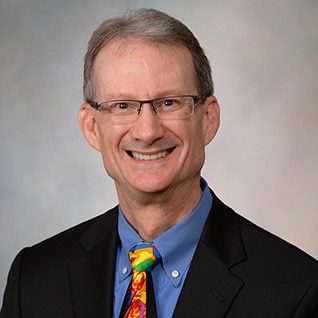 Welcome to the Pulmonary Hypertension Fellowship Program at Mayo Clinic in Jacksonville, Florida.
It is my privilege to introduce you to our program dedicated to advancing expertise in the diagnosis and management of pulmonary vascular disease. Our mission is to provide a rigorous, patient-centered educational experience that combines clinical excellence, innovative research, and multidisciplinary collaboration.
As a fellow, you will work alongside world-class faculty in a supportive environment that values curiosity, compassion, and lifelong learning. You will gain exposure to complex cases, cutting-edge therapies, and opportunities for scholarly activity, all designed to prepare you for leadership in this evolving field.
We invite you to explore our curriculum, conferences, and unique opportunities that make this fellowship an exceptional step in your professional journey. Thank you for considering Mayo Clinic as the place to deepen your knowledge to impact the lives of patients with pulmonary hypertension.
Charles Burger, M.D.
Pulmonary Hypertension Fellowship Program Director
Department and faculty
Pulmonary Hypertension fellows will work closely with highly experienced and knowledgeable clinical and research faculty in both cardiology and pulmonary/critical care, and the training program can be customized to meet an individual’s career goals.
The Pulmonary Hypertension Fellowship program at Mayo Clinic in Jacksonville, Florida, is a Pulmonary Hypertension Association (PHA)-accredited pulmonary hypertension care center with expertise in the complex management of patients with pulmonary hypertension.
Meet the faculty
 |
Charles Burger, M.D.Program Director
Dr. Burger is a nationally recognized expert in pulmonary vascular disease, including pulmonary arterial hypertension and chronic thromboembolic pulmonary hypertension. He leads a Pulmonary Hypertension Association–accredited Comprehensive Care Center and has extensive experience in advanced diagnostics and therapeutics. Recognized as Mayo Clinic Distinguished Clinician and Mayo Clinic Distinguished Educator. Past Editor-in-Chief for Advances in Pulmonary Hypertension. Dr. Burger's research focuses on improving diagnostic strategies and treatment outcomes for pulmonary hypertension, levering quantitative risk scoring, and prospective registries.
|
 |
Abubakr Bajwa, M.D.Associate Program Director
Dr. Bajwa brings expertise in pulmonary hypertension and interstitial lung disease, with a strong focus on advanced diagnostic imaging. He previously served as Division Chief of Pulmonary and Critical Care Medicine at the University of Florida and has a robust research portfolio in pulmonary vascular disease. Dr. Bajwa is the Principal Investigator or Co-Investigator for several interventional trials in interstitial lung disease associated with pulmonary hypertension.
|
 |
John Moss, M.D.Consultant, Pulmonary Medicine, Mayo Clinic in Florida
Dr. Moss is the Co-Director of the Pulmonary Hypertension Clinic. He led our accreditation team and oversees our participation in the Pulmonary Hypertension Association Registry. He is actively involved in clinical trials and advanced diagnostic techniques, including right heart catheterization at rest and with exercise. Dr. Moss is committed to education and has received multiple teaching awards during his training. He is the Principal Investigator for several interventional trials in pulmonary hypertension.
|
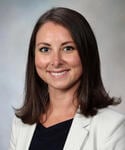 |
Hollie Saunders, M.D.Senior Associate Consultant, Pulmonary and Critical Care, Mayo Clinic in Florida
Dr. Saunders has specific expertise in echocardiography and advanced chest radiography for assessment of chronic thromboembolic disease pulmonary hypertension, particularly assessment of eligibility for pulmonary thromboendarterectomy and balloon pulmonary angioplasty. She is Principal Investigator involved in trials for new therapeutic agents in pulmonary hypertension and Co-Investigator in other interventional trials in pulmonary hypertension and pulmonary embolus. |
Wellness initiatives
As a trainee, your physical and mental health are priorities to Mayo Clinic and the department. Trainees have access to several resources to promote well-being, as well as time off clinical duties to attend appointments.
- Fitness centers
- Groups on campus
- Well-being
Fitness centers
 Mayo Clinic residents or fellows can experience 24/7 free access to the Bill Hewitt Employee Wellness Center — opened in the summer of 2024 and spans 6,700 square feet with modern cardio machines, weight machines, free weights, a studio for live classes, and includes showers and locker rooms for convenience.
Additionally, residents or fellows at our three campuses get discounted membership fees to area gyms. In Jacksonville, Florida, residents and fellows can obtain an exclusive discount with the YMCA (several locations).
Groups on campus
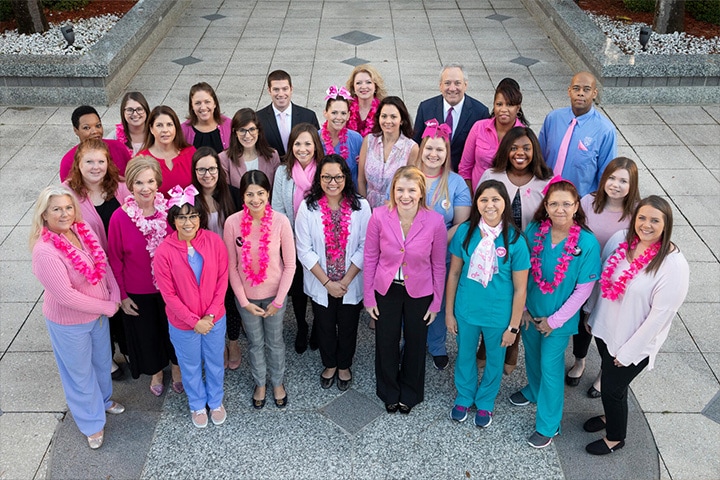
Opportunities to join a variety of groups on campus provide regular social activities and can help enhance your training while connecting with a broad group of peers.
Trainees will have the opportunity to join a Mayo Employee Resource Group (MERG) at any time during their training program. Mayo Employee Resource Groups (MERGs) are employee-led affinity groups to promote belonging, increase cultural awareness, and foster an environment of respect and inclusivity. Any Mayo Clinic employee can join a group of interest and choose their level of involvement
Well-being
 The Office of Academic Support and Well-Being provides resources to promote academic, emotional, social, cognitive, financial, and physical well-being. Career and academic services include academic advising, peer tutoring, and accommodations for learners with disabilities or health conditions. Mental health services, counseling, interview practice, and a variety of enrichment sessions on topics like budgeting, resiliency, and stress and burn-out are also available through the Academic Support and Well-Being office.
More from Mayo Clinic School of Graduate Medical Education
/0x0:512x512/prod01/channel_2/media/mccms/content-assets/academics/residencies-and-fellowships/3319834_0363-512X512.jpg)
Choosing Mayo Clinic
/0x0:512x512/prod01/channel_2/media/studio-sites/mccms-reference-guide/512X5121676671_3824027_0010_C.jpg)
Stipend and benefits
/0x0:512x512/prod01/channel_2/media/mccms/content-assets/shared-documents/campus-FL-Jax_Davis_Bldg_Mar2003_R-pic-tile.jpg)
Jacksonville, FL
Campus and community
/0x0:440x220/prod01/channel_2/media/mccms/content-assets/campus-amp-community/florida/440X220_sidebar-mayo-clinic-jacksonville-fl-shu244045420.jpg)