
/0x0:512x512/prod01/channel_2/media/mccms/content-assets/academics/residencies-and-fellowships/rad-onc-med-physics-in-carbon-therapy-florida/mccms-rad-onc-medical-physics-carbon-therapy-mobile-WF2434815_0003.png)
Overview
The Radiation Oncology Medical Physics in Carbon Therapy Fellowship at Mayo Clinic's campus in Jacksonville, Florida, is designed to provide comprehensive training in Carbon-Ion Radiation Therapy, integrating Mayo Clinic’s multidisciplinary care model to prepare trainees for excellence in both clinical and research settings.
Trainees gain exposure to the full spectrum of CIRT, including computational radiation biology, treatment planning, quality assurance, and clinical application, ensuring a well-rounded understanding of this advanced therapeutic modality.
Through this breadth of experience, fellows develop strong analytical, technical, and clinical decision-making skills that align with Mayo Clinic’s commitment to patient-centered, evidence-based care. In addition to core training, the program supports scholarly development and encourages engagement in research related to radiation therapy and emerging technologies. The structure of the fellowship emphasizes interdisciplinary collaboration and innovation. Fellows are expected to participate in projects that advance clinical practice and contribute to the evolving field of particle therapy, reinforcing both academic and professional growth.
Unique program highlights include:
- Comprehensive training in Carbon-Ion Radiation Therapy, spanning biology, physics, and clinical application
- Strong emphasis on computational radiation biology and advanced treatment planning
- Dedicated exposure to quality assurance and quality control in radiation systems
- Integration of clinical application with technical and scientific training
- Opportunities for research and innovation within a multidisciplinary care environment
year program

Protected research time
Approximately 10% throughout the entire fellowship
core rotation types
Explore the fellowship
Learn more about the program's history and application process.
Program history
The Radiation Oncology department began in 1997. The Radiation Oncology Medical Physics in Carbon Therapy Fellowship program at Mayo Clinic in Florida will have its first fellow in 2026.
Application process
Positions
One position is available on a competitive basis each year in the Radiation Oncology Medical Physics in Carbon Therapy Fellowship at Mayo Clinic's campus in Jacksonville, Florida.
Qualifications
To be eligible for the Radiation Oncology Clinical Medical Physics Residency, you must have a Ph.D. (or equivalent degree) in medical physics, physics, or a related science or engineering field. A Ph.D. degree in experimental physics is an asset.
This fellowship is highly competitive due to its focus on Carbon-Ion Radiation Therapy (CIRT), a specialized and emerging treatment modality available only at Mayo Clinic in Florida in the U.S. Successful applicants typically demonstrate strong foundational knowledge in medical physics or a related field, along with prior research or clinical exposure to radiation therapy concepts.
To maximize an application, candidates should highlight relevant research, technical skills in treatment planning or quality assurance, and a clear commitment to advancing particle therapy.
Strong letters of recommendation and a well-articulated career goal aligned with CIRT are also important factors in a successful application.
Also see general admissions requirements.
How to apply
The academic year begins July 1.
The application and all supporting documentation must be submitted by Dec. 20 of the year preceding the program start date.
The program uses an online application system sponsored by the American Association of Physicists in Medicine (AAPM) and participates in the Medical Physics Matching Program.
- To register, visit the MedPhys Match website.You will need the assigned NMS ID number for the next step.
- To apply to the program, visit the National Matching Service, Inc. In addition to the standard materials, this program requires:
- A curriculum vitae. Describe your activities with professional societies, publications, and any other relevant information about your education or experience.
- A personal statement of professional goals.
- Undergraduate and graduate transcripts. These should show the degree earned and date conferred from each graduate school you attended. Non-final transcripts are acceptable if the final degree is in progress. Provide certified or notarized English translations of documents written in a language other than English.
- Three original letters of recommendation. These should be from faculty members, including your thesis adviser, who are thoroughly familiar with your work. Each letter should include the writer's opinion of your professional, academic and personal qualifications, as well as his or her opinion on your potential for success in the field of medical physics.
- Applicants considered for an appointment will be invited to participate in a virtual interview with the program director and selected faculty. Interviews are conducted in February each year.
- For those offered positions, Mayo Clinic School of Graduate Medical Education requires a copy of the Ph.D. diploma and final official transcripts.
Curriculum
Clinical training for this fellowship is focused on rotation-based training across computational/radiation biology, treatment planning and simulation, quality assurance, and clinical CIRT application, with a mentored research project throughout. Fellows will experience diverse treatment sites and clinical scenarios, applying advanced radiation therapy approaches to varied patient-specific conditions. The fellowship offers structured growth from guided learning to independent clinical practice, with ongoing mentorship from board-certified medical physicists and continuous research support.
Rotation schedule
| Rotation | Length |
|---|---|
| Computational Radiation Biology Aspects of CIRT | 3 months |
| Radiation Treatment Planning for CIRT | 3 months |
| Quality Assurance and Quality Control of the CIRT System | 3 months |
| Clinical Application of CIRT | 3 months |
Rotation descriptions
Computational Radiation Biology Aspects of CIRT: This rotation focuses on the biological mechanisms underlying Carbon-Ion Radiation Therapy (CIRT), including microdosimetric spectra, cell survival modeling, and radiation biology principles. Fellows learn to use simulation tools to model radiation interactions and validate findings through experimental or measurement-based approaches. The rotation emphasizes understanding different biological models, their clinical implications, and how they inform treatment decisions.
Radiation Treatment Planning for CIRT: During this rotation, fellows develop expertise in the planning and simulation of CIRT treatments, including patient-specific modifications. Training includes robust optimization techniques, density corrections, and the application of dual-energy CT in treatment planning. Fellows also learn beam delivery strategies, such as gantry versus fixed beam approaches, and how these impact treatment outcomes.
Quality Assurance and Quality Control of the CIRT System: This rotation provides hands-on experience in ensuring the safety and accuracy of the CIRT system through mechanical, radiation, and patient-specific quality assurance processes. Fellows shadow and assist board-certified medical physicists in performing routine QA/QC procedures, including weekly and monthly checks. The focus is on understanding standard operating procedures and maintaining high standards for safe clinical delivery.
Clinical Application of CIRT: The clinical application rotation immerses fellows in real-world workflows, where they observe and assist in roles such as dosimetry, machine physics, and simulation. Fellows gain practical insight into how CIRT is delivered in a clinical setting and how each physics role supports patient care. This rotation emphasizes applying technical knowledge in daily clinical operations under the guidance of experienced medical physicists.
Conferences
- Physics Journal Club: Virtual and organized by the Rochester fellowship program director.
- Physics Division Meeting: Physics team meets to discuss technology updates, workflow processes and items from our safety and incident learning system, along with any technology overview trainings and implementations.
- Radiation Oncology Research Open Forum: A member of the radiation oncology team presents current research efforts, or an invited faculty member at Mayo Clinic presents services or resources that may benefit our faculty performing research.
Research opportunities
Trainees engage in research throughout the fellowship under the mentorship of a faculty advisor, with dedicated time integrated into each rotation. Research opportunities span biological, technological, and clinical aspects of Carbon-Ion Radiation Therapy, allowing fellows to contribute to advancing both scientific understanding and clinical application of this emerging modality.
A unique aspect of this program is its focus on CIRT, which is not currently available at other institutions in the U.S. This provides fellows with a rare opportunity to contribute to pioneering research across biological, technological, and clinical domains of particle therapy, helping to shape the future of this advanced cancer treatment approach.
Mentorship, evaluation
Mentorship
Trainees are paired with a faculty research mentor who provides guidance throughout the fellowship, particularly in the development and execution of a CIRT-related research project. Mentorship includes support in clinical learning, research design, and professional development within the multidisciplinary care environment
Evaluation
To ensure that you acquire adequate knowledge and develop the appropriate technical skills to meet program expectations, your performance is monitored carefully during the program. You are evaluated formally by the supervising faculty member after each clinical rotation, and you will meet with the program director to review these evaluations. In addition, you will also regularly evaluate the faculty to ensure that your educational needs are being met.
Facilities and locations
Trainees will spend their time in the Duan Family Building and the fellow workroom. This is home to the first carbon ion therapy program in the Western Hemisphere, alongside proton and photon therapies—offering multiple advanced ways to treat the same tumor.
Features advanced imaging and precision radiation systems, including technology capable of targeting tumors with extreme accuracy while minimizing damage to healthy tissue. Designed to bring radiology, radiation oncology, and treatment planning together in one space, creating a seamless, patient-centered cancer care experience.
From the program director
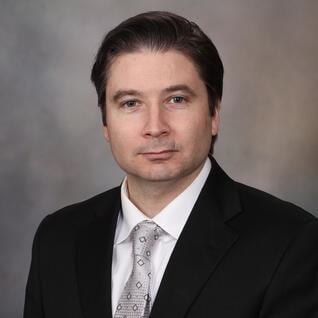 The program creates an exceptional learning environment through a structured, hands-on curriculum that spans four core rotations and integrates close collaboration with board-certified medical physicists in both clinical and research settings.
Trainees are exposed to the full spectrum of Carbon-Ion Radiation Therapy (CIRT), allowing them to develop technical, scientific, and clinical expertise within a multidisciplinary care model.
Training is further supported by continuous faculty mentorship, including guidance on a dedicated research project, and a balanced structure that incorporates both clinical responsibilities and protected research time to promote professional growth and well-being.
Chris Beltran, Ph.D.
Radiation Oncology Medical Physics in Carbon Therapy Fellowship Program Director
Department and faculty
The department consists of radiation oncologists and medical physicists. The Medical Physics Division specifically has 13 faculty members. Our trainee will interact with the majority of the faculty on a daily basis throughout the year.
Faculty in the program demonstrate a strong commitment to trainee development through direct supervision, hands-on teaching, and longitudinal mentorship throughout the fellowship. Trainees work closely with board-certified medical physicists across all rotations, receiving consistent guidance in both clinical practice and research activities.
Faculty also support trainees in the development and completion of a CIRT-related research project, ensuring continuous academic and professional growth
Meet the faculty
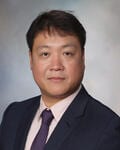 |
Chunjoo Park, Ph.D.Dr. Park is an assistant professor in radiation oncology with expertise in adaptive radiation therapy and medical physics. He has played a key role in developing advanced radiation therapy programs, including MRI-guided adaptive therapy and has led one of the nation’s largest adaptive radiotherapy programs. He currently leads efforts at Mayo Clinic in Florida to develop the world’s first heavy ion–based adaptive radiation therapy program. |
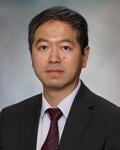 |
Jun Tan, Ph.D.Dr. Tan is a medical physicist specializing in radiation oncology and adaptive radiation therapy. He completed his Ph.D. in Computer Science and Engineering and training in therapeutic medical physics before joining Mayo Clinic Florida. His work focuses on clinical applications, quality assurance, and the integration of artificial intelligence in radiation therapy. |
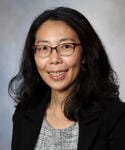 |
Xiaoying Liang, Ph.D.Dr. Liang is a board-certified medical physicist specializing in radiation oncology and particle therapy. She earned her Ph.D. in nuclear physics and has extensive experience in proton and advanced radiation therapies. She is actively involved in national and international research collaborations and leadership roles in medical physics organizations. |
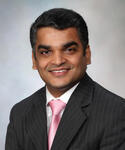 |
Sridhar Yaddanapudi, Ph.D.Dr. Yaddanapudi is a board-certified medical physicist specializing in radiation oncology and medical physics. He earned his Ph.D. in nuclear engineering with a focus on medical physics and completed residency training in radiation oncology physics. He is actively involved in clinical practice, research, and national professional organizations in the field of radiation therapy. |
Wellness initiatives
As a trainee, your physical and mental health are priorities to Mayo Clinic and the department. Trainees have access to several resources to promote well-being, as well as time off clinical duties to attend appointments.
- Fitness centers
- Groups on campus
- Well-being
Fitness centers
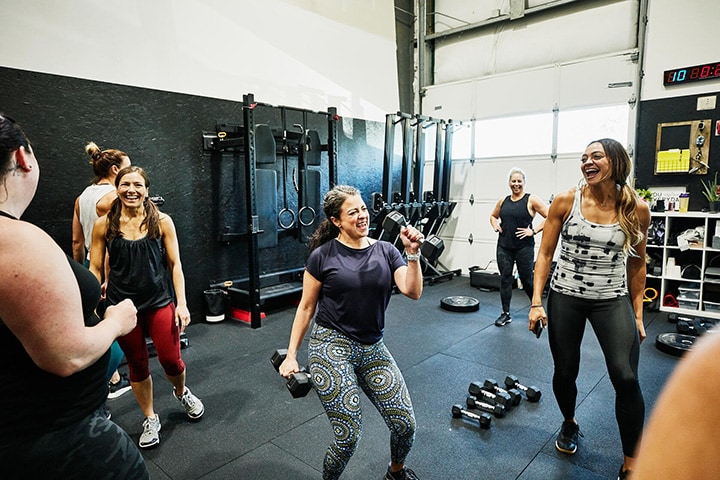 Mayo Clinic residents or fellows can experience 24/7 free access to the Bill Hewitt Employee Wellness Center — opened in the summer of 2024 and spans 6,700 square feet with modern cardio machines, weight machines, free weights, a studio for live classes, and includes showers and locker rooms for convenience.
Additionally, residents or fellows at our three campuses get discounted membership fees to area gyms. In Jacksonville, Florida, residents and fellows can obtain an exclusive discount with the YMCA (several locations).
Groups on campus
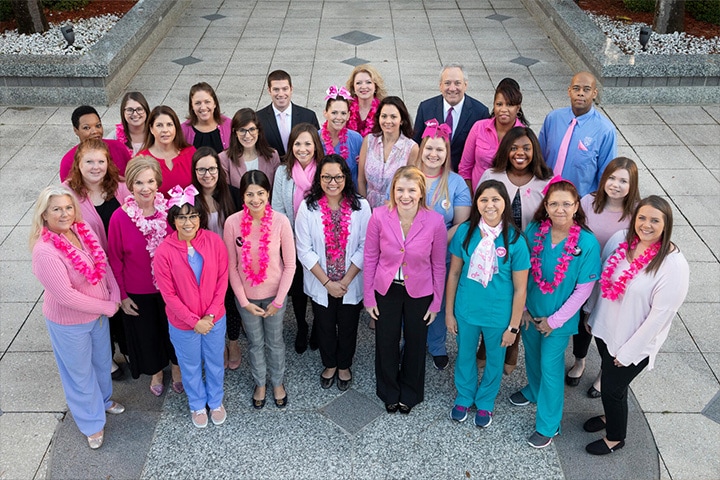
Opportunities to join a variety of groups on campus provide regular social activities and can help enhance your training while connecting with a broad group of peers.
Trainees will have the opportunity to join a Mayo Employee Resource Group (MERG) at any time during their training program. Mayo Employee Resource Groups (MERGs) are employee-led affinity groups to promote belonging, increase cultural awareness, and foster an environment of respect and inclusivity. Any Mayo Clinic employee can join a group of interest and choose their level of involvement
Well-being
 The Office of Academic Support and Well-Being provides resources to promote academic, emotional, social, cognitive, financial, and physical well-being. Career and academic services include academic advising, peer tutoring, and accommodations for learners with disabilities or health conditions. Mental health services, counseling, interview practice, and a variety of enrichment sessions on topics like budgeting, resiliency, and stress and burn-out are also available through the Academic Support and Well-Being office.
Mayo Fellows Association (MFA)
The Mayo Fellows Association (MFA) offers a peer and social support network for residents and fellows and their families with social events, athletics, and advocacy. The MFA also holds an annual resident and fellow appreciation event open to all trainees with complimentary massages, stress-reducing activities, and social support.
Belonging
At Mayo Clinic, we're committed to recruiting a workforce reflective of our broader community in order to provide the best care for our diverse patient population.
You'll have the opportunity to be a part of:
- Mayo Employee Resource Groups (MERGs) are employee-led affinity groups to promote belonging, increase cultural awareness, and foster an environment of respect and inclusivity. Any Mayo Clinic employee can join a group of interest and choose their level of involvement.
- The OUTList, an internal resource created by the LGBTI MERG that promotes community, visibility, and mentoring among Mayo's faculty, staff, and trainees by identifying mentors within Mayo Clinic interested in being a resource for others. All Mayo employees are welcome to contact individuals on the OUTList for advice and networking.
- The Student National Medical Association and National Medical Association conferences, which provide a place for you to share and learn belonging and inclusion best practices.
- The Mayo Clinic Trainee Belonging Committee, a group that recruits and mentors applicants, including those from underrepresented backgrounds in medicine.
More from Mayo Clinic School of Graduate Medical Education
/0x0:512x512/prod01/channel_2/media/mccms/content-assets/academics/residencies-and-fellowships/3319834_0363-512X512.jpg)
Choosing Mayo Clinic
/0x0:512x512/prod01/channel_2/media/mccms/content-assets/shared-documents/campus-FL-Jax_Davis_Bldg_Mar2003_R-pic-tile.jpg)
Jacksonville, FL
/0x0:512x512/prod01/channel_2/media/studio-sites/mccms-reference-guide/512X5121676671_3824027_0010_C.jpg)
/0x0:440x220/prod01/channel_2/media/mccms/content-assets/campus--community/florida/440X220_sidebar-mayo-clinic-jacksonville-fl-shu244045420.jpg)