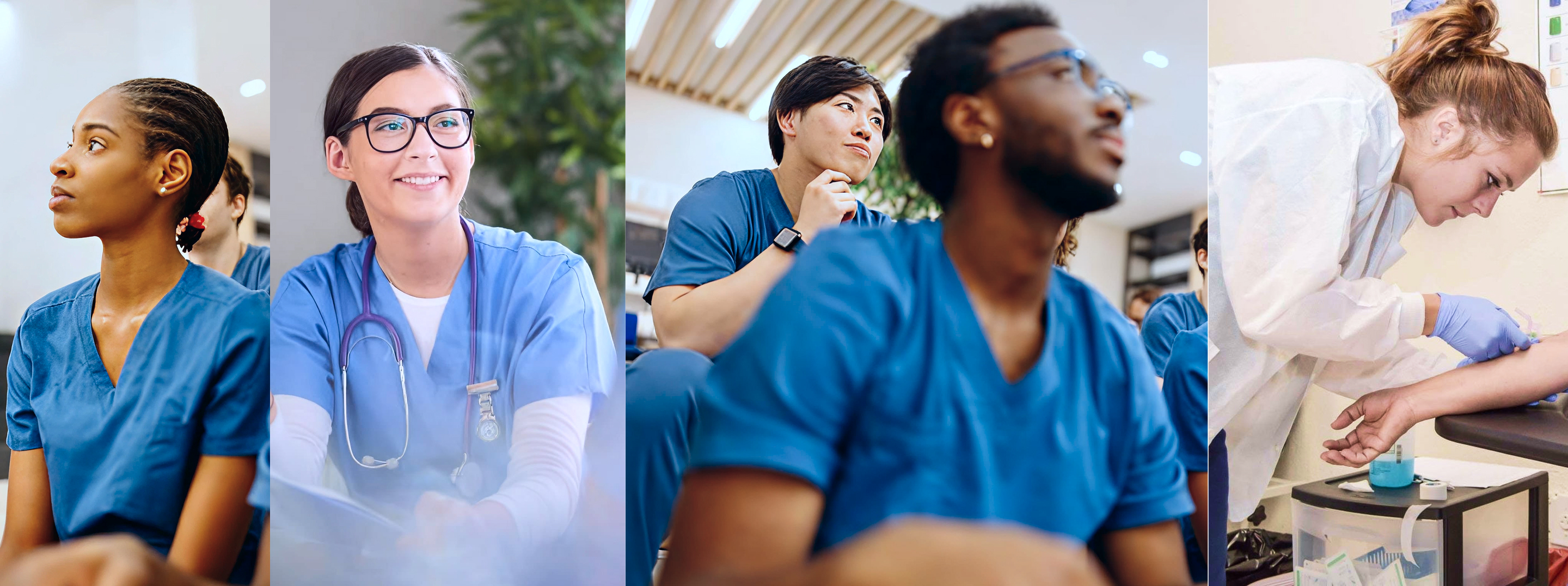
Curious About Phlebotomy?

Learn what phlebotomy is, what the work involves, and how Mayo could help you explore a path into the field.

Page Content

What is phlebotomy?

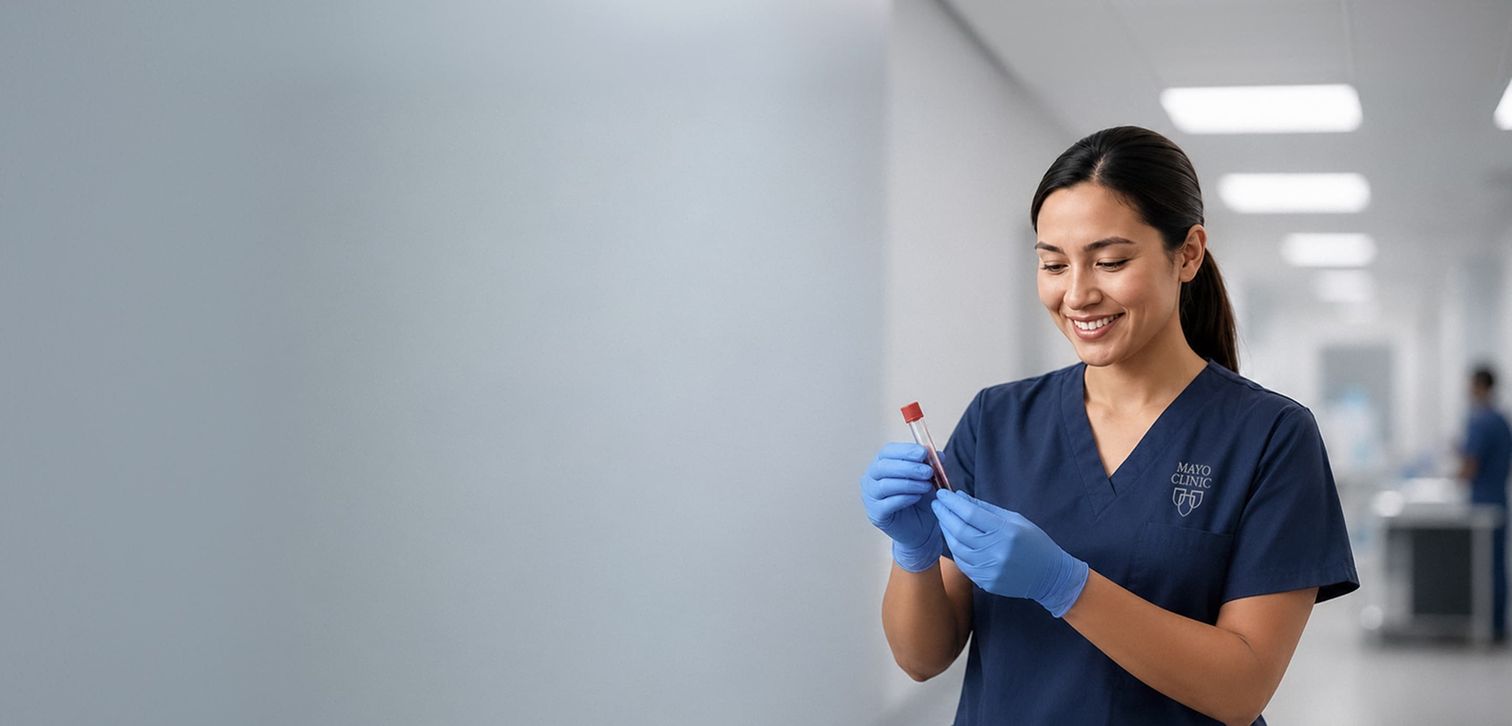
Phlebotomy is often where patient care begins.

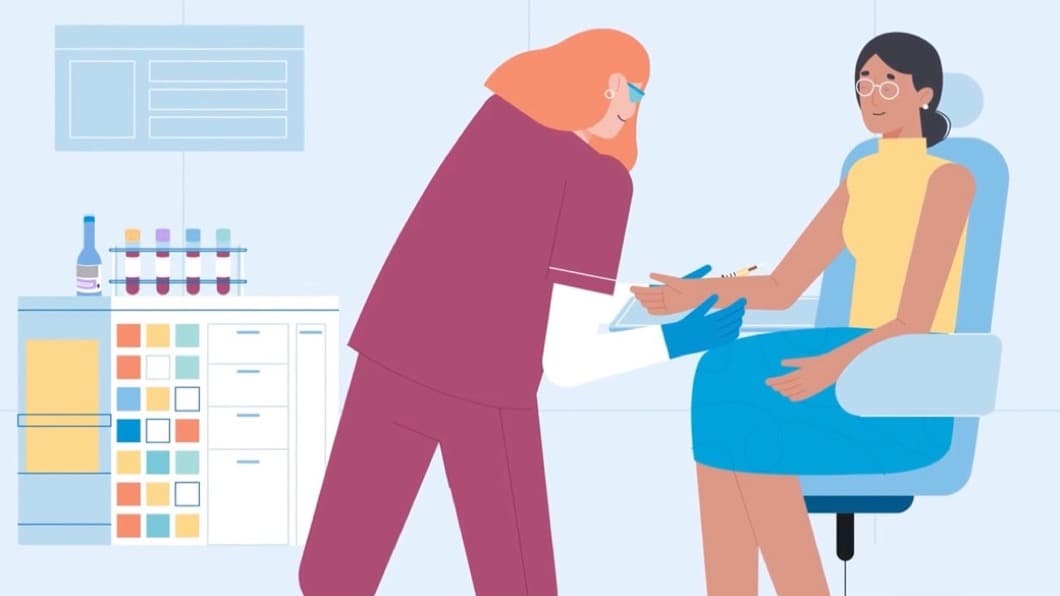
Phlebotomists are trained healthcare professionals who collect blood samples for testing, donation, or diagnosis. Their work helps laboratories and care teams gather the information they need to understand a patient’s health and guide next steps in care.

In their role, phlebotomists help:

  • Collect blood samples safely

  • Support accurate lab testing

  • Create a calm, professional patient experience

placeholder image for video

Watch a short introduction to phlebotomy

Duration 1:32

What the work is like

Every sample starts with a person.

Phlebotomists do more than collect blood samples. They help patients feel informed and at ease, follow careful safety practices, and make sure samples are collected and handled accurately for testing. It is hands-on healthcare work that combines technical skill with human connection.

In practice, this means phlebotomists often help with:

icon feature patient comfort

Patient comfort

A calm, respectful approach helps patients feel informed and at ease before and during a blood draw.

icon feature safe collection

Safe sample collection

Proper technique, safety practices, and patient identification help make each collection safe and reliable.

icon feature testing support

Accurate testing support

Careful labeling, preparation, and handling help samples move from patient care to lab testing accurately.

icon feature process flow

Careful process and flow

Organization and attention to detail help the work move smoothly in clinical or lab-connected settings.

Is this for you?

Could phlebotomy be a path for you?

If you’re interested in healthcare but unsure where to begin, phlebotomy can be a practical field to explore. It offers a way to build focused clinical skills, work directly with patients, and learn how care teams rely on accurate testing without first committing to a long degree path.

image highlights

Phlebotomy may be a career worth considering if you’re looking for:

A fulfilling role in healthcare

You want work that supports patients, care teams, and the testing that helps guide important health decisions.

Practical skills with purpose

You’re interested in learning hands-on clinical skills that connect directly to patient care.

A focused place to start

You’re curious about healthcare and want an option that feels specific, practical, and possible to explore.

Trusted guidance as you learn more

You want help understanding what training looks like, what the role requires, and how Mayo Clinic can help you

Training at Mayo

The Mayo Clinic provides a direct path into high-demand healthcare roles.

Mayo Clinic’s phlebotomy training pathway gives students the hands-on skills, confidence, and clinical understanding they need to collect samples safely, support accurate testing, and deliver compassionate care.

Students train alongside Mayo Clinic’s expert educators in a supportive learning environment, with real-world practice and patient-centered preparation every step of the way.

Why choose Mayo

The cost of education and uncertainty about job opportunities should not stand in the way of a meaningful heal
Tuition covered through the Mayo Clinic Workforce Development Scholarship

All admitted students automatically receive the Mayo Clinic Workforce Development Scholarship, which covers the full cost of tuition for the full duration of the program as long as they remain in good standing.

Built to support real workforce needs

Programs within Mayo Clinic School of Health Sciences are designed to support staffing needs at Mayo Clinic and help prepare students for healthcare careers where qualified candidates are needed and current job openings are in high demand.

View the Phlebotomy Program Page

Already working in the field?

If you’re looking for continuing education, try Mayo Clinic Laboratories.

“When I was applying to school, what drew me to Mayo was the patient-centric focus of everything, even very basic science studies. Being in a hospital setting and working with clinicians here constantly keeps the patient centered in all our work and in the forefront of our minds.”

Anna Detry Ph.D. student, Mayo Clinic Graduate
School of Biomedical Sciences
More About Anna’s Experience
Anna Detry

FAQ

Questions we hear most often

Still have questions?

If you’re curious about phlebotomy and wondering whether it could be a fit for you, our team can personally help you explore the field, training at Mayo, and what to consider next.

Go deeper

Explore more topics around phlebotomy and healthcare

Some questions need more than a quick answer. These resources can help you learn more about the field, the work, and what to consider as you explore phlebotomy as a healthcare discipline.

Additional Topics

Interested to learn about other disciplines?

If phlebotomy has helped you think differently about working in healthcare, you may also want to explore related roles that involve patient care, clinical support, lab testing, imaging, or hands-on technical skills.

Explore all healthcare programs
post card one

Medical Laboratory Science

Explore a lab-focused path for people interested in testing, analysis, and the science behind patient care.

post card two

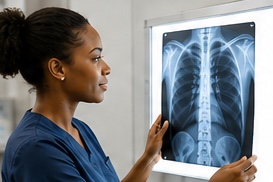
Radiography

Learn about a healthcare role that uses imaging technology to help care teams diagnose and treat patients.

post card three

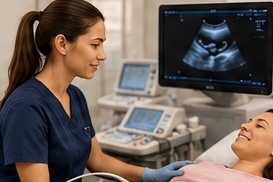
Sonography

Explore a patient-facing imaging field that combines technical skill, anatomy, and clinical care.

post card four

Medical Assistant

Explore a broad clinical support role that may involve patient interaction, care coordination, and hands-on re