
/0x0:512x512/prod01/channel_2/media/mccms/content-assets/academics/residencies-and-fellowships/anatomic-and-clinical-pathology-residency-az/anatom-and-clin-path-res-az-512X512-WF3765685_0029-Edit.jpg)
Overview
The Anatomic and Clinical Pathology Residency program at Mayo Clinic in Arizona leverages the breadth and integrated care model of Mayo Clinic to prepare future pathologists for both academic and private practice careers. We will accept our first class to start in July 2028, with two PGY-1 students via the ERAS system (not accepting students outside of the match at this time).
You will train across a high-volume tertiary and quaternary referral center, a pediatric hospital, a medical examiner’s office, and a private molecular diagnostics laboratory—providing exposure to diverse practice environments.
Unique rotations include an Anatomic Pathology Boot Camp followed by subspeciality anatomic pathology rotations, Acting Medical Directorship, Quality and Management, and dedicated molecular pathology experiences. This structure ensures strong preparation in diagnostic excellence, laboratory leadership, and emerging technologies such as digital pathology and AI-enabled workflows.
Research and scholarly activity are foundational to the program. Faculty publish extensively and will actively mentor you in translational research, quality improvement, and test development, with protected elective time available for scholarly pursuits. You will have opportunities to present at regional and national meetings and to collaborate across Mayo Clinic sites, with access to enterprise-level research resources and infrastructure.
Together, these experiences position you to graduate as confident diagnosticians, innovative thinkers, and future leaders in pathology.
/prod01/channel_2/media/mccms/content-assets/academics/residencies-and-fellowships/anatomic-and-clinical-pathology-residency-az/anatom-and-clin-path-res-az-1024X512-WF2407991-0050.jpg)
residents per year
dedicated anatomic pathology and clinical pathology faculty
faculty publications in 2025
Program highlights
- Personalized training and direct subspecialty mentorship
- Research and scholarly activity are embedded throughout training, with one dedicated research month and up to nine elective months for focused academic pursuits
- An intensive research environment offering direct access to mentorship, authorship, and national presentations year-round
By the numbers
- 368-bed tertiary care hospital with nationally ranked specialty programs
- One of the largest adult solid organ transplant programs in the country
- 240,000 surgical pathology cases
- 11,900 cytopathology cases
- 13,206 hematology cases
- 2,431 apheresis procedures
Accreditation, certification, program history
Accreditation
This program fulfills the training requirements as defined by the American Board of Pathology and is accredited by the Accreditation Council for Graduate Medical Education (ACGME).
Certification
Upon successful completion of the program, graduates are eligible to sit for the American Board of Pathology certifying examinations in Anatomic and Clinical Pathology.
Program history
Mayo Clinic's campus in Arizona was established in 1987 and has evolved into a major tertiary and quaternary referral center supported by a comprehensive Department of Laboratory Medicine and Pathology (DLMP). The Anatomic and Clinical Pathology Residency at Mayo Clinic in Arizona is a newly established program built on a strong foundation of clinical excellence and pathology training. It actively trains fellows in pulmonary pathology and gastrointestinal and liver pathology, and hosts numerous visiting residents, fellows, and practicing pathologists along with allied health students in clinical laboratory sciences. This robust educational environment reflects sustained experience in mentoring residents across multiple levels and disciplines. This residency program builds on this strong clinical and academic foundation to expand formal pathology training at Mayo Clinic in Arizona.
Application process
The program will provide broad exposure to subspecialty anatomic pathology and clinical pathology practice from expert faculty using analog and digital glass slides, Al models, digital based slides sets, and ancillary testing techniques (IHC, ISH, FISH) to train the next generation of pathologists for acceptance into competitive fellowship programs and successful academic and private practice careers. As a resident of the program, you will be part of a diverse, patient-centered team of lifelong learners. You will have the capacity to conduct translational research, educate the next generation, innovate, develop/implement tests, engage in QI, and lead/manage groups and practices.
Positions
Two positions are available on a competitive basis each year in the Anatomic and Clinical Pathology Residency program at Mayo Clinic in Arizona.
This program participates in the National Resident Matching Program (NRMP) match program. Visit the website for upcoming application and start date details.
Qualifications
- Applicants must have graduated from an LCME- or AOA-accredited medical school or hold a valid ECFMG certificate (or unrestricted U.S. medical license) if an international medical graduate.
- All graduates from medical schools outside the U.S. and Canada must be certified by the Educational Commission for Foreign Medical Graduates (ECFMG) to qualify for admission.
- Information about certification and visa sponsorship, if required, is available from the ECFMG website.
- Canadian medical school graduates who completed their studies do not need ECFMG certification. However, graduates after this date must obtain full ECFMG certification. More information is available.
Also see general admissions requirements.
How to apply
The academic year begins on July 1.
The application and all supporting documentation must be submitted by Oct. 15 of the year preceding the program start date.
You must apply through the Electronic Residency Application Service (ERAS).
- Visit the ERAS website. All applications to Mayo Clinic School of Graduate Medical Education programs must include these application materials.
- All appointments are made through the National Resident Matching Program (NRMP). Candidates must register through the NRMP website in addition to applying through ERAS. Anatomic and Clinical Pathology requires three letters of recommendation.
- Applicants considered for an appointment will be invited for an interview with the program director and selected faculty. Interviews are conducted between October and January each year.
- Applicants are welcome to participate in optional, no-stakes second look visits following completion of the interview season. These visits are designed to provide additional opportunities to explore the campus, meet current trainees and faculty, and learn more about the program environment. Participation is entirely voluntary and has no impact on an applicant’s ranking or selection.
/prod01/channel_2/media/mccms/content-assets/academics/residencies-and-fellowships/anatomic-and-clinical-pathology-residency-az/anatom-and-clin-path-res-az-1024X512-WF3765685-0084.jpg)
Curriculum
Clinical training
Our residency curriculum is designed to cover all areas of anatomic pathology (AP) and clinical pathology (CP). In addition to the AP and CP core requirements, the curriculum includes one month of research and nine months of electives so that you can tailor your residency experience to best meet your interests in diagnostic expertise, practice models, laboratory management, and research.
In this program, you will benefit from an exceptional breadth of exposure, seeing the full spectrum of disease across a high-volume tertiary and quaternary referral center, including complex oncologic and non-oncologic specimens, including transplant. Surgical pathology coverage includes gastrointestinal, renal, genitourinary, breast, gynecologic, head and neck, endocrine, pulmonary, cardiac, cytopathology, bone and soft tissue, dermatopathology, neuropathology, and hematopathology. Pediatric pathology is provided through dedicated rotations at Phoenix Children’s Hospital, while community partnerships ensure strong experience with common diagnostic entities. Forensic pathology is covered during a dedicated rotation at the Maricopa County Medical Examiner's office. You will also gain exposure to advanced molecular testing at Caris Life Sciences, which serves as a global referral center for both solid organ and hematologic neoplasms.
In the Anatomic and Clinical Pathology Residency program at Mayo Clinic in Arizona, you will receive comprehensive, progressive support that evolves throughout training. Early in residency, you will work closely with faculty, fellows, pathology assistants, education specialists, and experienced allied health professionals. You will build a strong diagnostic foundation through hands-on supervision, structured feedback and a robust curriculum of conferences and sign-out sessions.
As you advance, you will assume increasing autonomy in case management, consultation, and call responsibilities while continuing to receive direct faculty mentorship. Throughout training, you benefit from dedicated management and leadership exposure, culminating in an Acting Directorship individualized to your career goals. Collectively, these advantages of a small program structure foster personalized support and professional growth, preparing you for fellowship or independent practice.
Rotation schedules
Anatomic pathology
| Rotation | Length |
|---|---|
| Gastrointestinal pathology/liver | 8 |
| Genitourinary pathology | 8 |
| Breast | 8 |
| Gynecologic pathology | 8 |
| Cytology | 8 |
| Head and neck/endocrine | 8 |
| Pulmonary/cardiovascular | 8 |
| Anatomic pathology boot camp | 4 |
| Neuropathology | 4 |
| Frozen section/neuropathology 2 | 4 |
| Bone and soft tissue/renal | 4 |
| Dermatology/bone and soft tissue 2 | 4 |
| Hematopathology anatomic pathology | 4 |
| Medical examiner | 4 |
| Phoenix Children's Hospital | 4 |
| General anatomic pathology rotation | 4 |
Clinical pathology
| Rotation | Length |
|---|---|
| Transfusion (includes apheresis, HLA, coagulation) | 20 |
| Hematopathology clinical pathology | 16 |
| Microbiology | 8 |
| Chemistry | 8 |
| Acting directorship | 8 |
| Molecular I (Mayo Arizona) | 4 |
| Molecular II (Caris Life Sciences) | 4 |
| Quality and management | 4 |
| Informatics | 4 |
Rotation descriptions - Anatomic pathology
Surgical pathology: You will spend multiple blocks on surgical pathology in your first year to build foundational knowledge in anatomy, histology, gross dissection, autopsy, and organ systems. All surgical pathology slides are scanned, allowing for digital access to all cases with convenient access to the glass slides when necessary. As your experience grows, you will be allocated opportunities for graduated responsibility and independence. You are encouraged to take ownership of your cases from gross dissection, preview, and sign-out with consultant pathologists. As you develop skills and knowledge, you are given graduated responsibilities, including preliminary report generation, ancillary studies, and intraoperative consultation. To further supplement your education, additional conferences are interwoven within rotations to include gross pathology conference, mortality/autopsy conference, on-call review, tumor board, interesting case conference, and unknown slide seminars.
Cytology: You will have two required blocks in cytopathology. Three broad areas of coverage include gynecologic cytology, non-gynecologic exfoliative cytology (urine, body fluids, anal, respiratory, and biliary cytology), and fine needle aspiration biopsy interpretation. Ultrasound-guided fine needle aspiration is performed by the pathology team for select lesions. As you graduate in responsibility, you will have greater ownership of cases through the service including previewing cases prior to consultant review, attending adequacy evaluations, and intraoperative consultations. Based on level of experience, you are expected to assimilate clinical data, imaging results, and clinic history to correlate cytologic findings with clinical impressions.
Renal pathology: Mayo Clinic in Arizona serves as one of the premier transplant centers in the southwestern United States, as a result, our program has the distinct advantage of reviewing many medical and transplant renal cases. You will spend one block on medical renal pathology. You will review and learn about the fundamentals of ultrastructural pathology, electron microscopy, immunofluorescence, and transplant pathology during this block.
Forensic pathology: You will spend one block at the Medical Examiner's Office to become familiar with all aspects of forensic pathology and the role of the forensic pathologist in delivering optimal patient care within the broader health care system. The large volume of material reflecting both natural disease and unnatural death makes this a valuable rotation. You will learn proper procedures for dealing with forensic cases and have the opportunity to see a wide range of natural disease processes outside of the usual hospital setting.
Pediatric pathology: You will spend a month-long rotation at Phoenix Children's Hospital providing them with advanced training and broad experience in pediatric pathology. On the rotation, you will have the opportunity to participate in the following pediatric and neuropathology procedures: pediatric autopsies; grossing of pediatric and neuropathology specimens; intraoperative consultations, including interaction with surgeons in the operating room, gross examination of specimens, preparation of frozen sections and touch preps; interpretation of gross and microscopic findings, triaging of specimens for special studies and discussion of findings with the surgical team; review of the pediatric and neuropathology cytology specimens; and pediatric hematopathology (based on your interest).
Hematopathology/flow cytometry: You will spent a total of five blocks in hematopathology, of which four are focused on peripheral blood, bone marrow examination, and flow cytometry (CP training). The focus of the last block is on lymph nodes and tissues (AP training). The description and identification of benign hematologic disease are stressed such that graduated responsibility can be developed in the interpretation of malignant cases. You will review smears, aspirates, and biopsies independently each morning and then sign out completed cases with staff consultants later in the day. You will also act as consultants for surgical pathology to provide input on surgical cases. You will incorporate other ancillary testing results such as cytogenetics and molecular testing into the diagnostic report. You will perform a requisite number of bone marrow biopsies and have additional opportunities to improve proficiency with this procedure as time and interest allow. You will receive graduated responsibilities as you progress to review bone marrow cases each day.
Neuropathology: You will spend one month in neuropathology developing proficiency in neuropathology to be able to adequately evaluate and diagnose neoplastic and non-neoplastic conditions. You will be provided the opportunity to participate in brain cutting and evaluation/preparation of neuropathology frozen sections.
Dermatopathology: You will spend one month in a dermatopathology rotation to obtain sufficient knowledge and skill to diagnose common cutaneous neoplastic and non-neoplastic diseases, form appropriate differential diagnosis and workup plan for uncommon conditions, properly utilize ancillary studies, and compose accurate pathology reports. Knowledge and experience are gained by grossing and histologic review of biopsy and excision specimens. A busy consultation service is provided with close consultation with clinical dermatology. Additionally, a slide deck of cases assigned for independent preview and workup with the expectation of forming preliminary reports is provided to review common and uncommon diagnoses.
Rotation descriptions - Clinical pathology
Transfusion Medicine: The Transfusion Medicine service at Mayo Clinic in Arizona currently supports a 368-bed tertiary care hospital, which includes general adult medicine and multiple complex specialty practices, including hematology/oncology, solid organ and stem cell transplantation, neurology, and cardiology. The Transfusion Medicine section is currently staffed by seven, board certified Transfusion Medicine pathologists who provide blood product transfusion support, supervise apheresis procedures, manage cellular therapy activities, interpret coagulation testing results, and offer clinical consultations. Approximately, 36,000 blood products are transfused, and over 2,400 apheresis procedures are performed annually. Our HLA laboratory is currently staffed by five HLA consultants and provides support for one of the most active solid organ and bone marrow transplant programs in the nation.
Through five core blocks, you will develop a strong foundation in all aspects of Transfusion Medicine including immunohematology, management of transfusion products, therapeutic apheresis, stem cell collection and processing, coagulation, HLA, laboratory management and regulatory compliance. You will start with a foundation in blood banking and apheresis during blocks 1 and 2 (Transfusion Medicine I). In collaboration with Vitalant (Blood Collection Institution in Phoenix), you will get hands on experience in blood donor services. Blocks 3 and 4 (Transfusion Medicine II) will build upon Transfusion Medicine I and introduce you to the human cellular therapy lab and clinical/laboratory coagulation. The fifth block (Transfusion Medicine III) will focus on advance cellular therapies (manufacturing of biotherapeutics and regenerative medicine) and HLA. You will have exposure to the most advanced methodologies in our HLA lab and be an active member of a multidisciplinary transplant team. You will also gain experience in regulatory activities through mock and live inspections of our laboratories, such as AABB, CAP, FDA, and ASHI, as they arise. Opportunities to rotate at Phoenix Children’s Hospital are also available if you are interested in gaining direct pediatric transfusion medicine experience.
Clinical microbiology: The Medical Microbiology rotation takes place in a state-of-the-art clinical microbiology laboratory with automated culture inoculation, smear preparation, digital culture imaging and artificial intelligence-augmented culture interpretation. You will be exposed to all conventional aspects of routine bacteriology including biochemical testing, anaerobic bacterial cultures, mass spectrometry-based identifications and antimicrobial susceptibility testing. In our highly enriched immunocompromised patient population, you will also learn unique aspects of specialty microbiology including mycobacterial and fungal stains, cultures and identification methods, as well as parasitology. Highlights of the rotation include participation in Antimicrobial Stewardship and Diagnostic Stewardship meetings, and opportunities for associated projects, as well as assay validations. You will benefit from the supervision of three dedicated microbiology medical directors, who rotate service coverage and will partner closely with you during the Microbiology blocks, as well as a dedicated education specialist who oversees bench rotations and provides “unknowns” for comprehensive hands-on learning. Certain microbiology-related topics are covered in Molecular or Chemistry rotations (for example, serology).
Clinical chemistry: Chemical pathology encompasses a broad variety of laboratory tests ranging from basic chemistries such as electrolytes and blood gases, to more esoteric tests supporting practices such as endocrinology, immunology, and toxicology. The basic chemistry block will encompass methodologies and routine tests commonly found in highly-automated laboratories supporting inpatient practices. The emphasis will be on result interpretation in various clinical scenarios, recognizing when results are not concordant with the clinical context and troubleshooting accordingly (for example, distinguishing between analytical, pre-analytical, and patient-specific issues). The advanced chemistry block will encompass a broader range of esoteric and specialized testing, with exposure to advanced methodologies such as liquid chromatography – tandem mass spectrometry and electrophoresis. Learning from the basic block will be reinforced and expanded to include key leadership activities such as method validation, regulatory compliance, and quality improvement. Optional rotation is available to facilitate advanced learning in subspecialty areas including toxicology, immunology, etc.
Molecular and genetic pathology: Advances in molecular diagnostics continue to permeate all areas of pathology, supplementing and replacing many conventional methods at a rapid pace. As a result, special emphasis is placed on robust training in this discipline, particularly relevant to our highly enriched transplant and cancer patient populations. You will learn the fundamental aspects of molecular technologies from basic methods all the way to cutting edge sequencing technologies and applications. Areas of focus will include infectious diseases, hematopathology, transplant/HLA and solid tumor associated molecular testing. Experts in each discipline will spend time discussing relevant molecular concepts and reviewing cases with you. A highlight of the rotation is a collaboration with Caris Life Sciences. Located in Tempe, just south of Mayo Clinic campus, Caris is a global reference laboratory for cancer molecular profiling. Special emphasis will also be placed on diagnostic stewardship of molecular testing, given the complexity and costs associated.
Laboratory Management and Quality, Informatics, and Acting Directorship Rotations: Laboratory Management and Quality, Informatics, and Directorship rotations occur in three parts to help establish the fundamental concepts and reinforce them in a customized fashion for the individual trainee.
- First, a month block focuses on the foundations of laboratory management and quality. The rotation occurs every-other year to maximize the number of trainees for team-based learning and to align with the laboratory’s American College of Pathology (CAP) self-inspection, where you will learn hands-on by helping lead the self-inspection with the support of faculty and staff.
- Second, a block of Informatics and Digital Pathology directly follows the Management and Quality rotation. These rotations are coupled to best support a focused informatics-based quality project where you can learn hands-on informatics skills and apply it to a structured quality project.
- Third, you will participate in a minimum of two months of Acting Directorship. You will typically rotate in a laboratory section (for example, Microbiology, Chemistry, Transfusion) and serve as an acting director within that laboratory by establishing a faculty mentor and designing specific goals and objectives customized to your overall career goals. During this rotation, you will typically participate in clinical service, projects, and administrative activities, with activities tailored to individual career paths ranging from academic specialty practice to general practice.
Electives, didactic training
Electives
You will have structured elective time to pursue focused subspecialty interests, research, advanced clinical experiences, or career-specific goals within anatomic or clinical pathology. In addition to established rotations, you may propose individualized elective experiences aligned with your professional interests. The program collaborates with you and partner institutions to develop these opportunities while ensuring alignment with ACGME requirements, appropriate supervision, and, when necessary, formal Program Letters of Agreement. This flexible elective structure allows you to tailor your education while maintaining compliance with accreditation standards and educational objectives. In addition to local electives, you will have the opportunity to rotate at Mayo Clinic in Rochester and in Florida, broadening your exposure to diverse subspecialty practices across the Mayo Clinic enterprise.
Didactic training
Typical week
A typical week for you in the Anatomic and Clinical Pathology Residency program at Mayo Clinic in Arizona, varies by rotation but combines hands-on diagnostic work with structured educational activities. You will participate in case review and sign out with faculty, gaining progressive responsibility in specimen evaluation and consultative services. Weekly conferences, multidisciplinary meetings, and didactic sessions reinforce core knowledge and clinical correlation. Depending on the rotation, you may also engage in laboratory management activities, quality initiatives, call responsibilities, or scholarly projects. This balanced structure integrates clinical service, education, and professional development throughout the training experience.
Call schedule
You will participate in rotation-specific call, with separate anatomic pathology (AP) and clinical pathology (CP) call responsibilities aligned to your respective rotations.
For clinical pathology call, you will accept pages, separated by transfusion medicine and the general lab medicine resident during the day. After hours call (weekends and holidays, 5 p.m. to 8 a.m.) clinical pathology call is combined. The blocks/shifts of call include Monday, 8 a.m. to Thursday, 8 a.m., and Thursday, 8 a.m. to Monday, 8 a.m.
Support while on call
Faculty are available for each of the on-call services 24/7. For graduated responsibility, you will, while on clinical pathology rotations, triage calls during the day, which is a similar experience during overnight call, once you are approved for indirect supervision.
You will take four weeks anatomic pathology call per year (mirroring anatomic pathology faculty) during surgical pathology blocks with no more than one week per surgical pathology block. You will be responsible for all pages that would otherwise be handled by faculty from Monday to Thursday, 4:30 p.m. to 10 p.m., for pre-implant solid organ evaluations and any frozen sections needed during that time period. You will be on call the same week from Friday, 4:40 p.m., to Sunday, 8 a.m. A faculty member is always available during this time period.
Faculty are available 24/7 for all services. Given the small size of the program, your call is not expected to cover all services 24/7/365. Pathology call volume has been modeled to maximize education, with faculty covering call on their own for the remainder of the schedule.
Didactic sessions
Residents have protected time each day at 11 a.m. for structured educational curriculum, including didactics, unknown slide sessions, and case-based presentations.
Tuesday
Slide based learning sessions, faculty can use glass or digital pathology, but the main group will be in person with virtual option for you on other sites. Topics include:
- Gynecologic pathology (GYN)
- Breast pathology
- Blood and bone marrow
- Cytology
- Thoracic pathology
- Hepatobiliary and Pancreas pathology
- Pediatric pathology
- Neuropathology
- Genitourinary (GU)
- Dermatology
- Hematopathology (tissue)
Wednesday
Weekly clinical pathology call rounds.
Monday, Thursday, Friday
Remaining days rotate through a two year cycle of didactics (topics listed below).
- You will attend pertinent tumor boards and journal clubs based on the particular rotation you are on (for example, when on pulmonary, will attend pulmonary journal club and thoracic oncology tumor board).
- DLMP Grand Rounds (virtual and in person) monthly.
- Your experiences are augmented by course materials and study sets, such as glass slides or virtual sets, including unusual cases, as well as by didactive /interactive sessions, such as seminars, departmental conferences, multidisciplinary conferences, lectures, and journal clubs.
Balancing didactics and clinical responsibility
You are excused from service responsibilities for the above mentioned didactics and conferences.
Teaching opportunities, conferences
Teaching opportunities
You will have the opportunity to teach medical students from Mayo Clinic Alix School of Medicine at Mayo Clinic in Arizona. You will also have the opportunity to teach your fellow residents and interact with visiting trainees.
You will have meaningful teaching opportunities throughout training, including working with allied health students in medical laboratory science (MLS) clinical rotations, participating in small group sessions within the medical school’s scientific foundations curriculum, and teaching residents and fellows rotating through pathology. These experiences will allow you to develop skills in case-based teaching, laboratory instruction, and multidisciplinary communication. Participating in teaching strengthens diagnostic reasoning, reinforces core knowledge, and builds confidence in presenting complex information clearly and effectively. Early exposure to education also prepares you for future academic roles and leadership positions in pathology.
Conferences
- Introductory Lecture Series (repeats during the first six weeks of every academic year)
- Anatomic Pathology Lectures
- Clinical Pathology Lectures
Research opportunities
You will have access to a broad range of research opportunities spanning translational pathology, clinical laboratory science, quality improvement, informatics, and test development within a high-volume tertiary and quaternary care setting. You may engage in faculty-mentored projects, collaborate across Mayo Clinic sites, and utilize enterprise-level research infrastructure, with dedicated elective time available for focused scholarly work. Faculty scholarship and active mentorship create meaningful opportunities for authorship, national presentations, and career development in both academic and practice-focused pathways.
- Samantha A Moore, Yasmeen M Butt, Maxwell L Smith, Henry D Tazelaar, Brandon T Larsen. Surgical Pathology of Diffuse Parenchymal Lung Disease in Adults With IgA Vasculitis or IgA Nephropathy. Am J Surg Pathol. 2026 Mar 2.
- Suhashini Ganapaty, Elena Cavazzi, Peter J Manchen, Yasmeen M Butt, Maxwell L Smith, Henry D Tazelaar, Anja C Roden, Brandon T Larsen. Surgical pathology of diffuse parenchymal lung disease in patients with polymyalgia rheumatica. Histopathology. 2025 Sep;87(3):453-463.
- Andrew Churg, Joanne L Wright, Peter Manchen, Michelle Garlin Politis, Yasmeen Butt, Brandon T Larsen, Maxwell L Smith, Kenneth Sakata, Laszlo Vaszar, Henry D Tazelaar. Am J Surg Pathol. A Brief Guide to Interpreting Transbronchial Cryobiopsies for Diffuse Parenchymal Lung Disease. 2025 Oct 1;49(10):1068-1077.
- Peter Manchen, Michelle Garlin Politis, Andrew Churg, Katrina Pfefferle, Melissa Monroy-Lopez, Yasmeen Butt, Brandon T Larsen, Maxwell L Smith, Joanne L Wright, Henry D Tazelaar. The utility of deeper levels in evaluating transbronchial cryobiopsy specimens for interstitial lung disease. Histopathology. 2025 Jul;87(1):159-161.
- Jason C Chang, Omid Savari, Najd Alshamlan, Hussam Buhkari, Robert W Allan, William D Travis, Xiao Yun Wang, Bin Xu, Ronald A Ghossein, Maria E Arcila, Peter Manchen, Brandon T Larsen, Justin A Bishop, Henry D Tazelaar, Natasha Rekhtman. Primary Pulmonary Ameloblastoma: First Case Series With Clinicopathologic and Genomic Analysis. Am J Surg Pathol. 2026 Mar 1;50(3):283-291.
Procedures, call frequency, moonlighting
Procedures
In the Anatomic and Clinical Pathology Residency, you are required to complete a minimum of 30 autopsies to meet the Accreditation Council for Graduate Medical Education (ACGME) requirements for anatomic pathology training. While no fixed numeric minimums are mandated for other procedures, you will gain extensive experience in activities such as surgical specimen gross examination, frozen sections, cytology procedures, clinical pathology consultations, and therapeutic apheresis. Competency in all procedural areas is assessed through direct observation and faculty evaluation to ensure readiness for independent practice.
Call frequency
As a resident of the Anatomic and Clinical Pathology Residency at Mayo Clinic in Arizona, you will follow ACGME duty hour standards, with a maximum of 80 hours per week averaged over four weeks, inclusive of all clinical and educational activities. Most rotations are structured well below this limit to promote learning, efficiency, and resident well-being.
For resident clinical pathology call, weekend/after-hours coverage is considered a general clinical pathology call service, while select rotations have a limited amount of integrated “day call” to support longitudinal learning throughout training without inhibiting core rotation learning. For example, clinical pathology call is typically structured in Monday to Wednesday or Thursday to Sunday shifts to ensure adequate rest and uninterrupted time for other rotation activities.
Moonlighting
Moonlighting is not permitted.
Mentorship, evaluation
Mentorship
Upon starting residency, you will be assigned to a mentor to guide you through your four years. Should you naturally identify a mentor better suited to your particular interest during the course of your training, you will have the opportunity to change mentors. Informal mentoring occurs during all rotations.
You are paired with a faculty mentor at the start of training based on your interests and career goals. Mentorship is flexible and evolves over time, allowing you to add or change mentors as your professional interests develop. You can work with mentors across Mayo Clinic sites and even collaborate with faculty in other departments to support research, education, or leadership goals. You can expect individualized career guidance, research mentorship, and professional development support throughout all stages of training.
You will have meaningful teaching opportunities throughout training, including working with allied health students in medical laboratory science (MLS) clinical rotations, participating in small-group sessions within the medical school’s scientific foundations curriculum, and teaching residents and fellows rotating through pathology. These experiences allow you to develop skills in case-based teaching, laboratory instruction, and multidisciplinary communication. Participating in teaching strengthens diagnostic reasoning, reinforces core knowledge, and builds confidence in presenting complex information clearly and effectively. Early exposure to education also prepares you for future academic roles and leadership positions in pathology.
Evaluation
Evaluation is based on both formative and summative assessments throughout each rotation. Faculty provide direct observation and real-time feedback during case sign-out, procedures, consultations, and laboratory activities, with additional input from support staff and allied health professionals when appropriate. At the completion of each rotation, you will receive a formal written evaluation assessing performance across ACGME competencies. The Clinical Competency Committee reviews aggregate evaluations semiannually to assess milestone progression and provide structured feedback, ensuring residents advance with increasing responsibility and readiness for independent practice.
Facilities and locations
You will rotate between Mayo Clinic in Phoenix, Arizona, and Mayo Clinic in Scottsdale, Arizona, with additional experiences at affiliated partner sites depending on the rotation. You will have dedicated workspaces at both campuses, including permanent desks in resident workrooms as well as distributed learning stations within laboratory work units to support active, real-time participation in clinical service. Call rooms are available, although most call is taken from home, and ample free parking is provided for residents at both campuses.
Facility highlights include the recent expansion of the clinical laboratory at Mayo Clinic's campus in Phoenix, Arizona, doubling in size and incorporating advanced automation such as centralized processing systems and the WASP platform in microbiology, as well as ongoing development of expanded anatomic pathology laboratory space. The autopsy suite and surgical pathology suites have also undergone recent remodeling to support growing operating room capacity and increased surgical volume. Together, these modernized and expanding facilities provide residents access to state-of-the-art diagnostic technology within a rapidly growing academic medical center.
From the program director
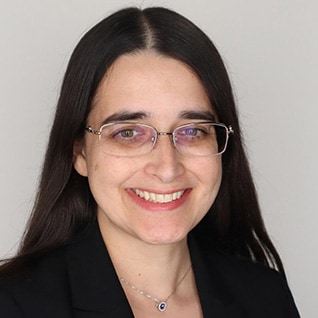 Welcome! Thank you for your interest in the Anatomic and Clinical Pathology Residency program at Mayo Clinic in Arizona.
With a deep breadth of expertise with approximately 50 faculty members (26 anatomic pathology and 21 clinical pathology consultants), together with our community partners, including Phoenix Children’s Hospital, Maricopa County Medical Examiner, and Caris Life Sciences, amongst others, we are excited to offer you the opportunity to join our program.
The three shields in Mayo Clinic’s logo represent the different areas we focus on as part of our practice — patient care, education, and research, with the needs of the patient driving all that we do. You will be actively involved in all three shields, gaining diverse knowledge and experience that applies to your future practice.
As a new program, we are excited about the opportunity to innovate in education, and we will actively solicit feedback from you throughout your training. You will also be a formal participant in the program evaluation committee. We look forward to the opportunity to work together to provide an excellent environment to grow as future pathologists.
The small class size of two residents per year ensures personalized career development, direct faculty access, and progressive autonomy. Together, these elements create a program designed to produce confident diagnosticians, future laboratory leaders, and innovators in pathology.
Please feel free to reach out to us with any questions you may have.
Yasmeen Butt, M.D.
Anatomic and Clinical Pathology Residency Program Director
/prod01/channel_2/media/mccms/content-assets/academics/residencies-and-fellowships/anatomic-and-clinical-pathology-residency-az/anatom-and-clin-path-res-az-1024X512-WF3765685-0033-Edit.jpg)
Department and faculty
Department
The Department of Laboratory Medicine and Pathology at Mayo Clinic in Arizona supports a rapidly growing tertiary and quaternary referral center with a broad subspecialty faculty across anatomic and clinical pathology. With approximately 50 faculty members spanning 26 anatomic pathology and 21 clinical pathology consultants (to include M.D. and Ph.D. laboratory experts), the department provides exceptional subspecialty depth within a small, highly mentored training model. Mayo Clinic campus in Arizona performs over four million clinical laboratory tests annually and supports high surgical and transplant volumes, offering residents exposure to both complex referral cases and community-based pathology. Faculty are nationally recognized leaders who actively publish, reflecting a strong culture of scholarship and innovation.
As a newly established residency program built on an existing fellowship and multidisciplinary training foundation, our program combines individualized mentorship with access to advanced diagnostic platforms, including digital pathology, automation, and global genomic testing partnerships. The small class size of two residents per year ensures personalized career development, direct faculty access, and progressive autonomy. Together, these elements create a program designed to produce confident diagnosticians, future laboratory leaders, and innovators in pathology.
Faculty
Our faculty are deeply committed to your education and mentorship, providing close supervision, structured feedback, and individualized career guidance throughout training. With a small resident cohort and broad subspecialty representation, you will work directly with faculty in daily sign out, laboratory consultative services, and multidisciplinary conferences. Faculty maintain an open-door culture that encourages collaboration, active learning, and progressive autonomy, ensuring you are supported at every stage of development.
The department includes 26+ anatomic pathology and 21+ clinical pathology physicians, and Ph.D. laboratory experts, representing a wide range of specialties including hematopathology, molecular pathology, transfusion medicine, gastrointestinal and liver pathology, pulmonary pathology, neuropathology, dermatopathology, pediatric pathology, and informatics. Faculty are nationally recognized contributors to the field and serving on national committees, editorial boards, and professional societies. Their active engagement in research, quality improvement, and innovation provides you with direct access to high-impact scholarly opportunities and mentorship across diverse career pathways.
Meet the faculty (A-K)
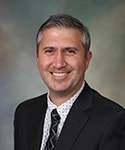 |
Andrew Bryan, M.D., Ph.D.Dr. Bryan is the associate program director for clinical pathology and associate director of the clinical microbiology laboratory. His clinical and research interests include integrative infectious disease diagnostics, clinical decision support, diagnostic stewardship, antimicrobial susceptibility testing, quality improvement, and laboratory management/directorship.
|
 |
Yasmeen Butt, M.D.Dr. Yasmeen Butt is a thoracic pathologist and is part of a busy pulmonary pathology consultation service. Dr. Butt has published numerous articles in the field and has lectured both nationally and internationally on various topics in pulmonary pathology. She is passionate about education and is the program director for the Mayo Clinic in Arizona AP/CP residency program, course director for the Mayo Clinic Alix School of Medicine's MS1 pathology course, and is the faculty advisor for the medical student Pathology Interest Group. She is the co-author of the published textbook "Atlas of Pulmonary Pathology: A Pattern-Based Approach." Dr. Butt is the president of the Arizona Society of Pathologists and is the chair of the CAP New In Practice Committee as well as being a member of the Council on Membership and Professional Development for the CAP. |
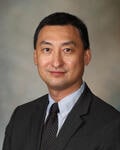 |
Longwen Chen, M.D., Ph.D.Dr. Chen is a cytopathologist with additional expertise in gynecologic pathology. He serves as the block leader for the GYN rotations. |
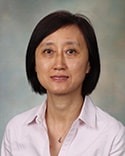 |
Xiaoyan Cui, M.D., Ph.D.Dr. Cui has expertise in breast pathology. She serves as the block leader for the breast blocks. |
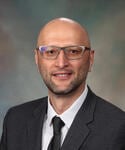 |
Kliment Donev, M.D.Dr. Donev is a neuropathologist with interest in education. He serves as the block leader for neuropathology. |
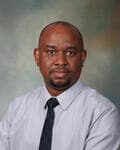 |
Kingsley Ebare, M.B.B.S., M.D.Dr. Ebare is a genitourinary pathologist with interest in digital pathology who serves as the anatomic pathology associate program director and as the block leader for GU. |
 |
Lily Fu, M.D., Ph.D.Dr. Fu will be the block leader for Renal Pathology. She specializes in medical renal pathology (native and transplant) and genitourinary pathology. Her research interest includes clinical and translational studies of kidney diseases, kidney transplantation, and tumors of the genitourinary system including prostate, bladder, kidney, and testis. |
 |
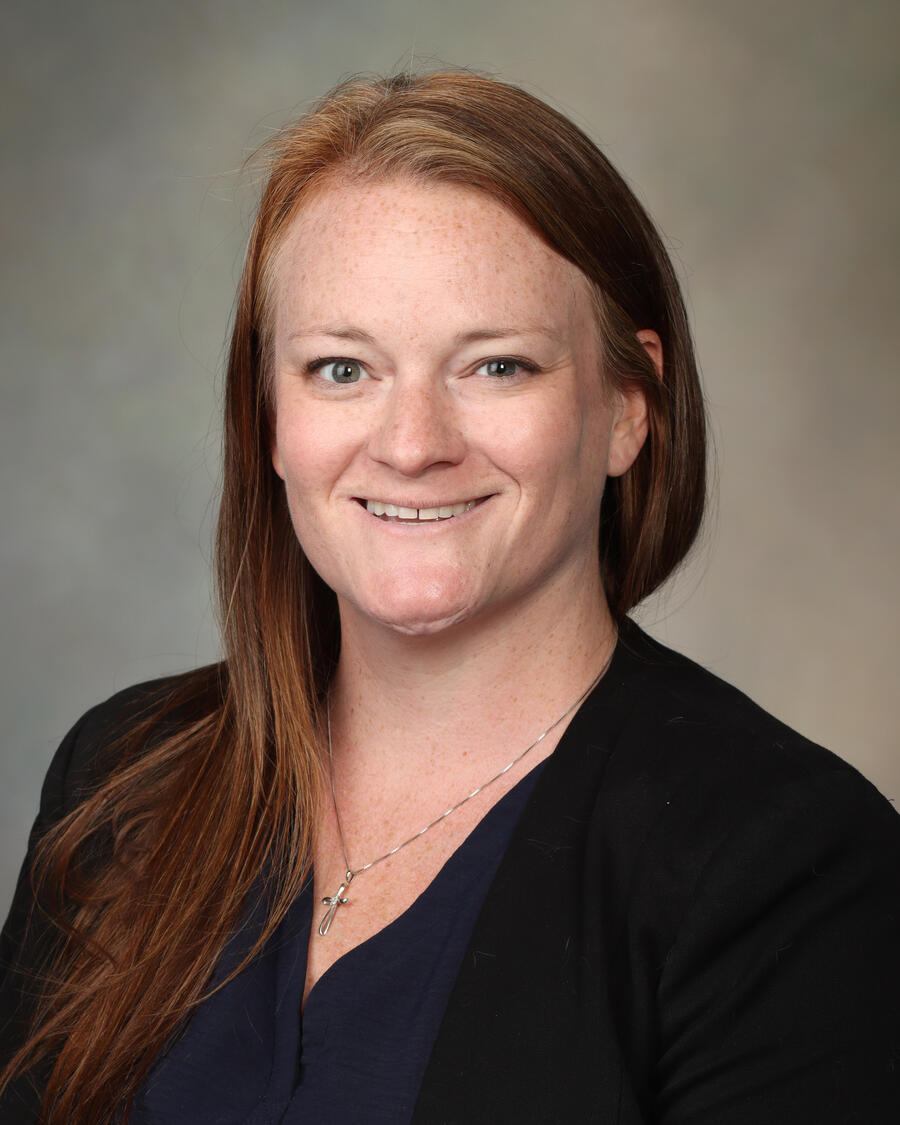
Erin Graf, Ph.D.Dr. Graf is the co-director of the clinical microbiology laboratory and block leader of the molecular pathology and co-block leader of the microbiology rotations. Her clinical and research interests include applications of next generation sequencing and metagenomics for diagnostic and epidemiologic investigations, evaluation of emerging rapid diagnostic technologies paired with diagnostic stewardship and the use of digital microbiology and artificial intelligence for automated culture interpretation. |
 |
Erin Kaleta, Ph.D.Dr. Kaleta is chair of the Division of Laboratory Medicine. She is a co-director of clinical chemistry and the director of infectious disease serology and urinalysis. She will be partnering with Dr. Snozek to lead the clinical chemistry blocks. In addition to her educational leadership in our residency program, she is also the block leader for the biochemistry/genetics course for Mayo Clinic Alix School of Medicine in Arizona. |
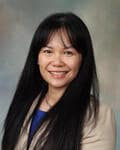 |
Theresa Kinard, M.D.Dr. Kinard is a transfusion medicine specialist. She serves as the associate chair of education for the Department of Laboratory Medicine and Pathology. |
Meet the faculty (L-Z)
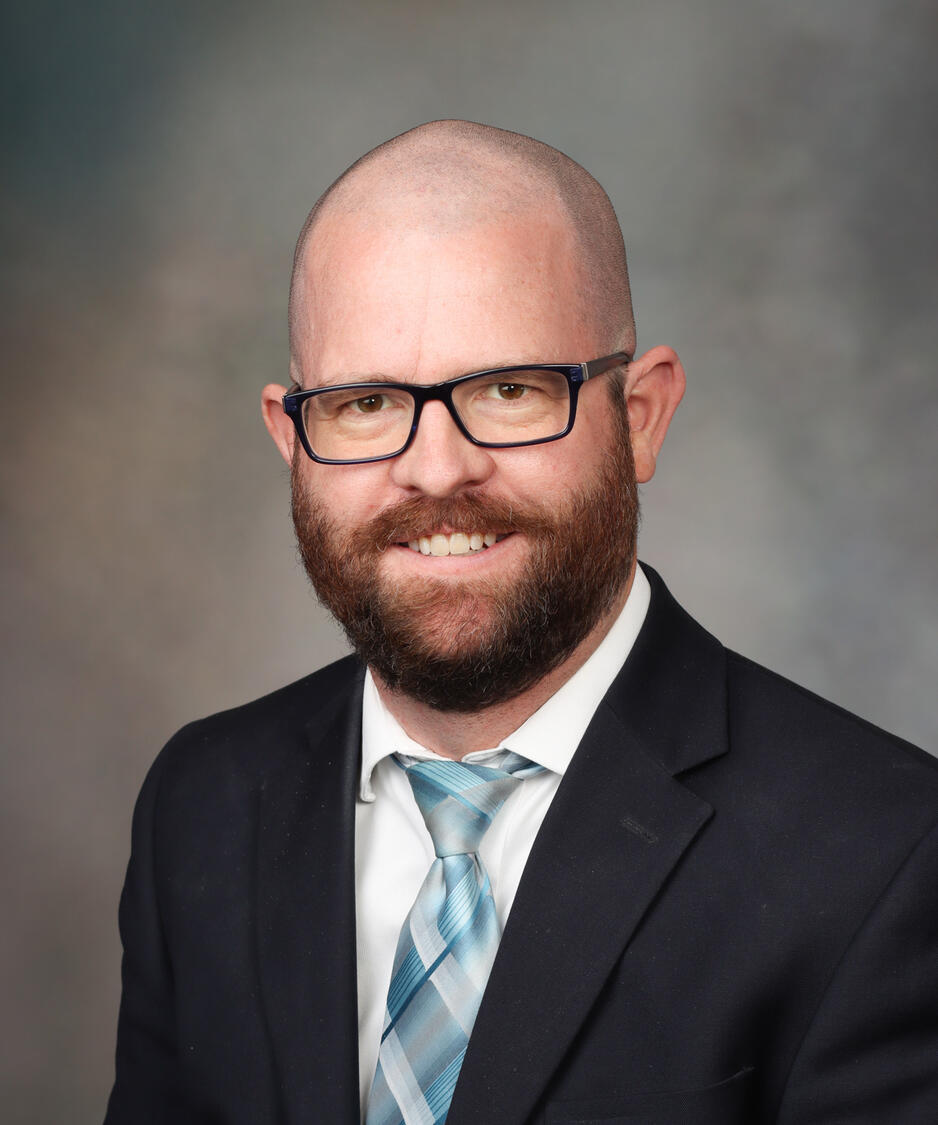 |
Brandon Larsen, M.D., Ph.D.Dr. Larsen has expertise and thoracic and bone and soft tissue pathology. He serves as block leader for the bone and soft tissue rotation. |
 |
James Lewis, M.D.Dr. Lewis has expertise in head and neck pathology. He serves as block leader for the rotation. He has three major areas of academic focus. The first is on HPV in head and neck carcinomas with particular focus on testing and application in routine practice, on detection methods, morphology, and prognosis. The second is in using computerized image analysis of digitized pathology slides for prognosis in oropharyngeal and oral cavity squamous cell carcinoma patients, for which he is co-PI on two funded R01 grants through the NIH. The third area of interest is in 3D imaging of head and neck resection specimens for margin assessment, documentation, and communication. |
 |
Natasha Lewis, M.D.Dr. Lewis is a hematopathologist and the associate director of the flow cytometry laboratory. Her clinical and research interests include integrated diagnostic evaluation of lymphoproliferative and histiocytic disorders, pathobiologic understanding of hematologic neoplasms, and assessment of novel immunohistochemical and flow cytometric biomarkers for diagnosis and prognostication of hematologic diseases. She serves as one of the block leaders for hematopathology. |
 |
Xiaoyan Liao, B.M., Ph.D.Dr. Liao will be block leader for Gastrointestinal and Liver Pathology. Her clinical and research interests center on gastrointestinal and liver pathology, with particular expertise in inflammatory bowel disease (IBD), appendiceal pathology, medical liver diseases, and hepatic neoplasms. |
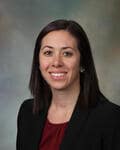 |
Kelsey McHugh, M.D.Dr. McHugh is the program director of the Gastrointestinal and Liver Pathology Fellowship and medical director of the histology laboratory. She is fellowship trained in cytopathology and gastrointestinal, hepatic and pancreatobiliary pathology. Dr. McHugh's clinical and research interests lie at the intersection of her fellowship-trained subspecialties, with particular interest in pancreatobiliary cytopathology, anal pathology, and predictive and prognostic biomarker expression in tumors of the upper and lower gastrointestinal tracts. She serves as the block leader for the cytopathology rotations. |
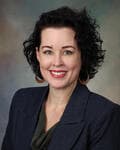 |
Melissa Stanton, M.D.Dr. Stanton has expertise in genitourinary pathology and has an interest in education. She serves as the medical director for surgical pathology. |
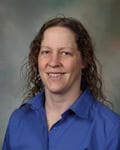 |
Christine Snozek, Ph.D.Dr. Snozek is a clinical chemist with interest in therapeutic drug monitoring, particularly transplant immunosuppression, LC-MS/MS quantitation of clinical analytes, and optimizing laboratory support of clinical practice, particularly in oncology and transplant. |
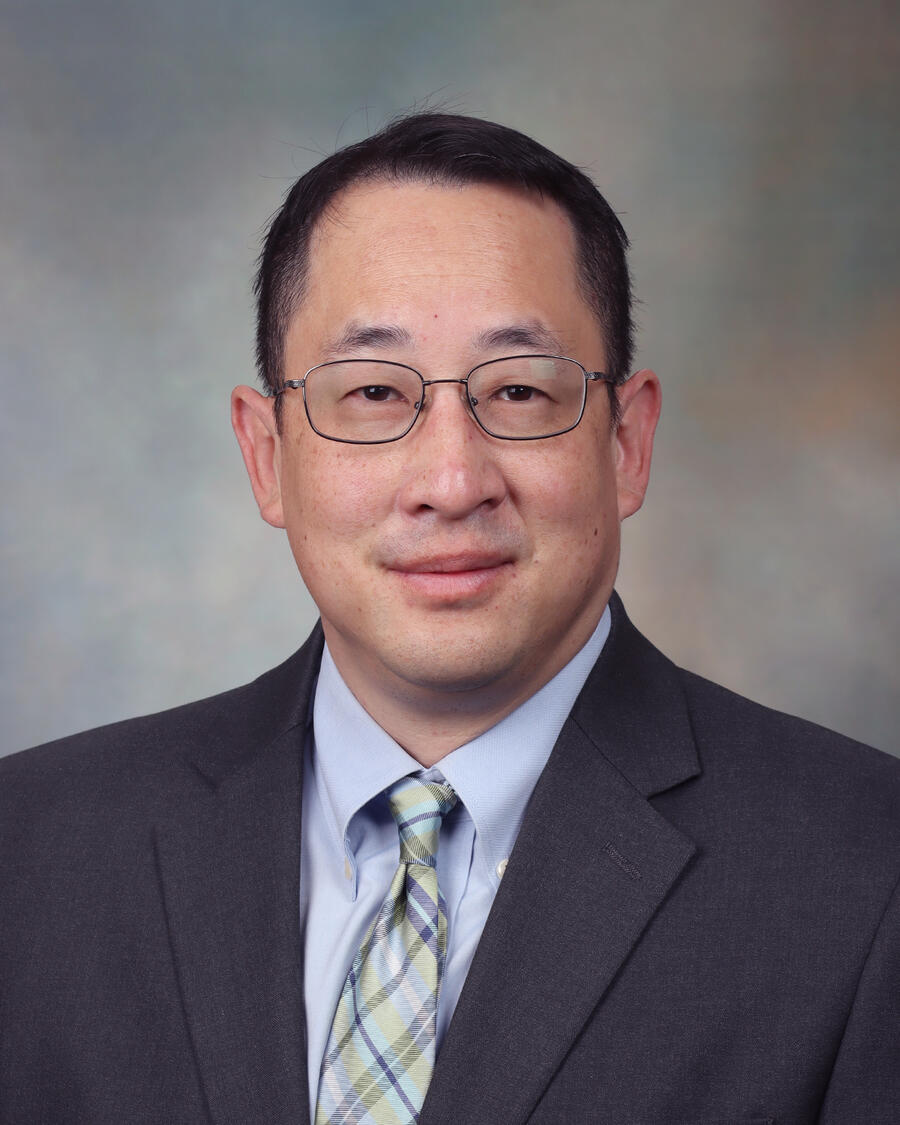 |
Leon Su, M.D.Dr. Su is an associate professor of laboratory medicine and pathology and serves as associate chair of laboratory informatics and director of the coagulation laboratory at Mayo Clinic in Arizona. His clinical and academic interests include coagulation and hemostasis, transfusion medicine, cellular therapy, and laboratory informatics. Dr. Su's clinical and research efforts focus on technology enabled laboratory medicine, including the use of data management, clinical decision support, and machine learning to improve quality, workflow efficiency, and patient safety. |
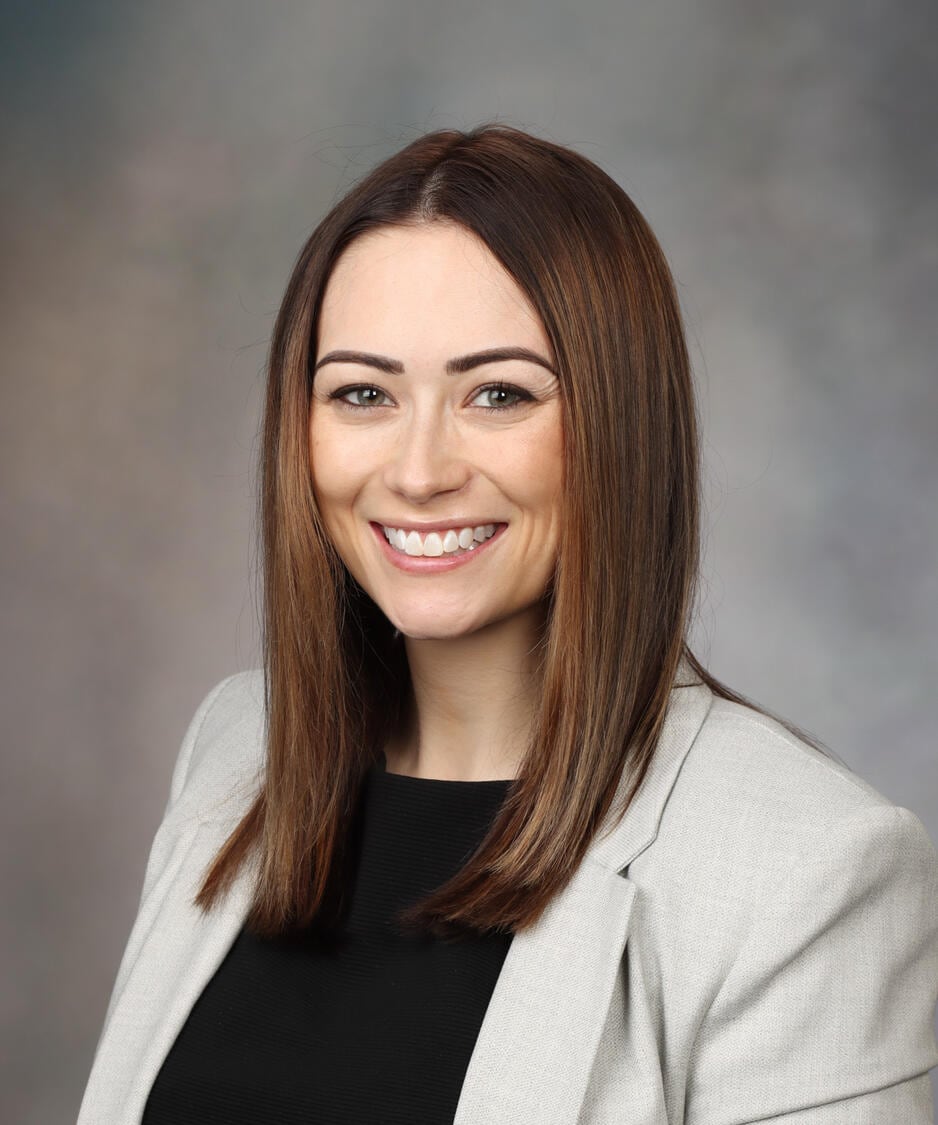 |
Leah Swanson, M.D.Dr. Swanson is a board-certified dermatologist and dermatopathologist. Her clinical and pathologic interests include: women's comprehensive dermatologic care including vulvar and breast dermatoses; management of complex medical dermatology including inflammatory disorders and autoimmune-connective tissue diseases; clinical pathologic correlation of complex skin disorders; and diagnosis and treatment of cutaneous malignancies. In addition to clinical activities, Dr. Swanson serves as a member of multiple dermatologic societies and is active in the education and mentorship of medical students and resident physicians. She serves as the block leader for the dermatopathology block. |
 |
Jiehao Zhou, M.B., Ph.D.Dr. Zhou serves as the director of the Hematology Laboratory. His clinical and research interests encompass integrative diagnostics of hematopoietic malignancies, hematologic changes following CAR-T therapy, and laboratory management. Dr. Zhou is one of the block leaders for hematopathology. |
Wellness initiatives
As a trainee, your physical and mental health are priorities to Mayo Clinic and the department. Trainees have access to several resources to promote well-being, as well as time off clinical duties to attend appointments.
- Fitness centers
- Groups on campus
- Well-being
Fitness centers
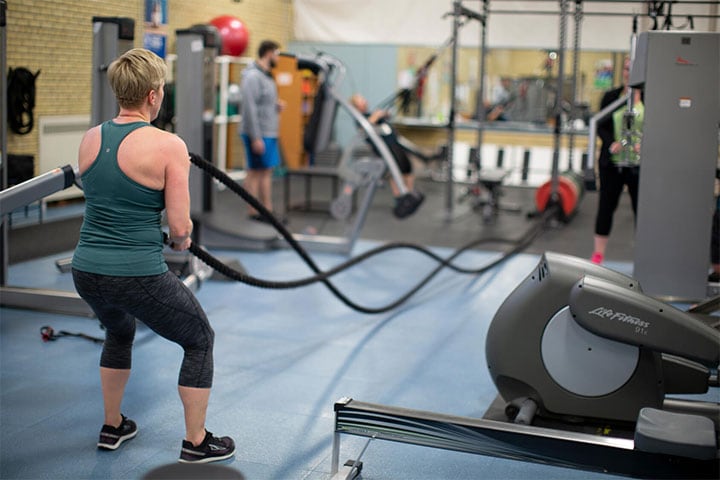 As a resident or fellow at Mayo Clinic in Arizona, you have access to PerkSpot, a Mayo Clinic employee discount program. PerkSpot provides you with many well-being options. Mayo Clinic residents or fellows at our three campuses can get discounted membership fees to area gyms.
All Mayo employees, including Arizona learners, can also sign up to take live virtual fitness classes or view recorded fitness classes offered by the Dan Abraham Healthy Living Center (DAHLC).
Groups on campus
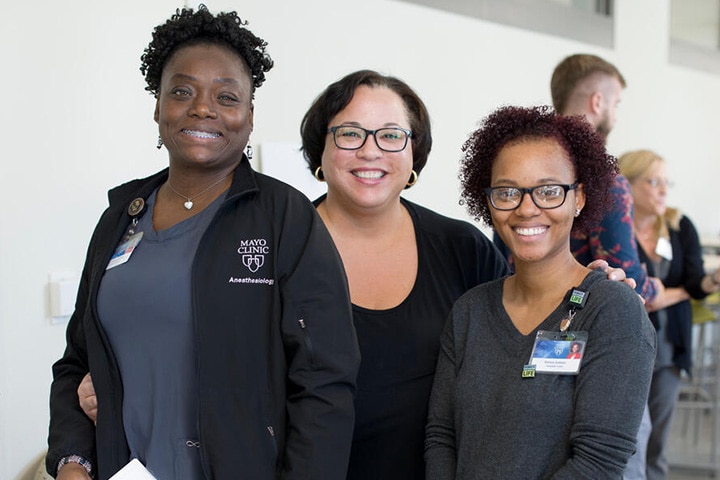 Opportunities to join a variety of groups on campus provide regular social activities and can help enhance your training while connecting with a broad group of peers.
Trainees have the opportunity to join a Mayo Employee Resource Group (MERG) at any time during their training program. MERGs are employee-led affinity groups to promote belonging, increase cultural awareness, and foster an environment of respect and inclusivity. Any Mayo Clinic employee can join a group of interest and choose their level of involvement.
Well-being
 The Office of Academic Support and Well-Being provides resources to promote academic, emotional, social, cognitive, financial, and physical well-being. Career and academic services include academic advising, peer tutoring, and accommodations for learners with disabilities or health conditions. Mental health services, counseling, interview practice, and a variety of enrichment sessions on topics like budgeting, resiliency, and stress and burn-out are also available through the Academic Support and Well-Being office.
Belonging
At Mayo Clinic, we foster an inclusive working environment and embrace the diversity of all our trainees, faculty, staff, and patients. Our Office of Belonging offers tremendous resources to support our mission of maintaining a welcoming atmosphere for all our employees, including our learners. We strive to provide culturally appropriate care and do our part to reduce healthcare disparities.
Mayo Fellows Association (MFA)
The Mayo Fellows Association (MFA) offers a peer and social support network for residents and fellows and their families with social events, athletics, and advocacy. The MFA also holds an annual resident and fellow appreciation event open to all trainees with complimentary massages, stress-reducing activities, and social support.
More from Mayo Clinic School of Graduate Medical Education
/0x0:512x512/prod01/channel_2/media/mccms/content-assets/academics/residencies-and-fellowships/3319834_0363-512X512.jpg)
Choosing Mayo Clinic
/0x0:512x512/prod01/channel_2/media/mccms/content-assets/shared-documents/campus-AZ-3180811-0001-pic-tile.jpg)
Phoenix/Scottsdale, AZ
/0x0:512x512/prod01/channel_2/media/studio-sites/mccms-reference-guide/512X5121676671_3824027_0010_C.jpg)
/0x0:440x220/prod01/channel_2/media/mccms/content-assets/campus--community/arizona/440X220_sidebar-mayo-clinic-phoenix-arizona-is453080663.jpg)