
/282x0:1407x1125/prod01/channel_2/media/mccms/content-assets/academics/residencies-and-fellowships/anesthesiology-critical-care-medicine-fellow-az/anesthesiology-critical-care-med-1718368-42823-0037.jpg)
Overview
As a premier destination medical center, Mayo Clinic in Arizona provides a high-acuity, fast-paced clinical environment across our rapidly expanding Phoenix campus. Our fellowship is designed to cultivate the next generation of physician leaders in critical care medicine through curated clinical, education, and research experiences.
You will manage a diverse, complex patient population while working within a collaborative, multidisciplinary framework where the needs of the patient always come first. You will thrive under the mentorship of passionate experts in an atmosphere that promotes professional development, scholarly activity, and a spirit of inquiry and creativity.
Unique program highlights include:
- Training in a high volume and high acuity environment with active heart, lung, liver, pancreas, and kidney transplant programs including a high volume liver transplant program
- Working with expert faculty from diverse training backgrounds
- Significant schedule flexibility to tailor the fellowship program, including with multiple rotation options at Mayo Clinic in Jacksonville, Florida, Mayo Clinic in Rochester, Minnesota, and the Arizona Burn Center in Phoenix, Arizona
- Outstanding funding for every fellow to attend multiple medical conferences
- A beautiful and dynamic location that provides numerous cultural and recreational amenities
hospital in Arizona for 14 consecutive years (U.S. News, 2026-2027)
faculty members in the Department of Critical Care Medicine
ICU beds at Mayo Clinic Hospital, Phoenix, Arizona, and expanding
Accreditation and application
Learn about the program's accreditation status, certification opportunities, and application process for prospective fellows.
Accreditation, certification, program history
Accreditation
This program fulfills the training requirements as defined by the American Board of Anesthesiology and is accredited by the Accreditation Council for Graduate Medical Education (ACGME).
Certification
Following successful completion of the fellowship program, trainees are eligible to take the Critical Care Medicine subspecialty exam offered by the American Board of Anesthesiology.
Program history
The Anesthesiology Critical Care Medicine Fellowship Program at Mayo Clinic in Arizona is a new program that will accept its first trainees in 2027-2028. The Mayo Clinic Arizona Department of Critical Care Medicine has successfully supported a Pulmonary Critical Care Medicine Fellowship since 2018. Additionally, our department has actively participated in the education of critical care medicine fellows from Mayo Clinic in Rochester, Minnesota, as well as Valleywise Medical Center in Phoenix, Arizona, for over fifteen years.
Application process
Positions
Two positions are available each year on a competitive basis in the Anesthesiology Critical Medicine Fellowship at Mayo Clinic’s campus in Phoenix, Arizona.
Qualifications
Applicants for the Anesthesiology Critical Medicine Fellowship program must be enrolled in or have completed an Accreditation Council for Graduate Medical Education (ACGME) four-year anesthesiology residency program or an ACGME accredited residency program in general surgery or a surgical subspecialty.
How to apply
Common Application Service by January 15th of the year prior to anticipated fellowship start date. In addition to the application materials required of all applicants to the Mayo Clinic School of Graduate Medical Education, please include the following:
- Three original letters of recommendation (it is strongly encouraged for one of these to be from your residency program director)
- Copies of USMLE Part I and II or COMLEX examination scores
- Copies of ITE examination scores
- A personal statement discussing your interest in critical care medicine as well as your career aspirations
Also see general admissions requirements.
/prod01/channel_2/media/mccms/content-assets/academics/residencies-and-fellowships/anesthesiology-critical-care-medicine-fellow-az/anesthesiology-critical-care-med-WF1693790-0159.jpg)
Curriculum and training experience
Develop expertise through high-volume clinical exposure, progressive responsibility, and direct faculty supervision across a broad range of cases.
Clinical training
You will be exposed to diverse patient populations and critical illness states spanning the spectrum of adult critical care medicine, with emphasis on cardiovascular and surgical critical care. Core ICU rotations include the cardiovascular ICU (with a distinct rotation at Mayo Clinic in Rochester, Minnesota, in an ICU that focuses on patients requiring mechanical circulatory support), medical ICU, and surgical ICU.
Additionally, there are elective rotations in burn/trauma ICU at Valleywise Medical Center as well as neurocritical care at Mayo Clinic in Jacksonville, Florida. 24/7 in-house consultant presence in the Mayo Clinic ICUs ensures that you are always supported. Cumulatively, this results in a deep and broad-based training experience with progressive autonomy that lays the foundation for a successful and rewarding career in critical care medicine.
Rotation schedule
The one-year Anesthesiology Critical Care Medicine Fellowship at Mayo Clinic in Phoenix, Arizona, is divided into thirteen four-week blocks.
As per ACGME requirements, there are nine ICU blocks, which are supplemented by ten weeks of elective time, two weeks of orientation and bootcamp, and four weeks of vacation.
The nine ICU blocks consist of three rotations in the cardiovascular ICU, two rotations in the medical ICU, three rotations in the surgical ICU, and one rotation in the cardiovascular device ICU at Mayo Clinic in Rochester, Minnesota.
Additionally, you may elect to complete a four-week burn/trauma ICU rotation at Valleywise Medical Center and/or a neurologic ICU rotation at Mayo Clinic in Jacksonville, Florida, in place of core ICU rotations at Mayo Clinic in Phoenix, Arizona.
Prior to commencing fellowship, you will meet with the program director and associate program director to discuss optimal individual fellowship schedule structure based on self assessment, previous experiences, and future aspirations.
Rotation descriptions
Cardiovascular and thoracic ICU at Mayo Clinic in Arizona: The CVICU admits patients with cardiovascular critical illness including postoperative cardiothoracic surgery patients, cardiogenic shock including patients requiring temporary or durable mechanical circulatory support, and other critical illness states affecting cardiac and thoracic patients. We have active heart and lung transplant programs, are a referral center for combined heart-liver and heart-liver-kidney transplant, and are also an ECMO referral center.
Medical ICU at Mayo Clinic in Arizona: The MICU is a high acuity and high volume service with common referral sources including the emergency department, hospital internal medicine, hematology-oncology, and other hospitals, reflective of Arizona’s significant rural and medically underserved patient population. Additionally, this service responds to code blue events in much of the hospital.
Surgical ICU at Mayo Clinic in Arizona: This ICU admits critically ill patients from various surgical disciplines, particularly liver transplant for which Mayo Clinic in Arizona is a high volume center. Additionally, this ICU also focuses on neurocritical care.
Cardiovascular Device ICU at Mayo Clinic in Minnesota: The cardiovascular device ICU admits critically ill patients requiring mechanical circulatory support. The intent of this rotation is for fellows to build on previous cardiac ICU rotations by refining and mastering hemodynamic interpretation and optimization, understanding of ECMO physiology, and management of patients requiring mechanical support.
Education and professional development
The fellowship combines structured didactic instruction with ongoing professional growth opportunities.
Electives, didactic training, procedures
Electives
There are ten weeks of elective rotations in the one-year fellowship. In order to balance breadth and depth of elective experiences, elective rotations will typically be two weeks in length, with notable exceptions including ICU electives, which are four weeks in length.
Available elective rotations include abdominal transplant, burn/trauma ICU, cardiothoracic surgery, congestive heart failure, infectious disease, international medicine, nephrology, neurocritical care, nutrition, pleural service, research, stroke neurology, and transfusion medicine. Alternative elective experiences may be arranged on an individual basis.
Didactic training
Formal didactics are offered in conjunction with the Pulmonary Critical Care Medicine Fellowship and consist of bi-weekly critical care medicine core curriculum lectures, weekly fellow led complex patient rounds, weekly ECMO rounds, as well as monthly departmental grand rounds, journal clubs, research, and quality improvement meetings.
Additionally, you will receive regular point of care ultrasound, ventilation waveform interpretation, and simulation training. Fellows are encouraged to achieve National Board of Echocardiography CCEeXAM certification, which entails submitting a log of 150 performed and interpreted scans as well as passing an exam.
Procedures
You will have ample opportunities to develop and refine a wide array of procedural skills that span the gamut of adult critical care and are also encouraged to develop supervision skills by mentoring junior trainees.
Conferences
You may attend one conference of your choice for up to five days, for which Mayo Clinic will pay for registration, travel, lodging, and food up to $2,550. This includes conferences and board review courses. Fellows may also attend up to five additional conferences, with $2,550 available for each conference if presenting a poster, a case, or participating in a committee at the conference.
Research opportunities, teaching opportunities, international opportunities
Research opportunities
You may complete a research elective following a discussion of your interests and identification of a suitable research mentor and project. Active areas of investigation within our department include: artificial intelligence, bioinformatics, critical care education, clinical trials, and retrospective analyses.
Teaching opportunities
Consistent with our mission to develop future leaders in critical care medicine, you are actively encouraged to participate in teaching other members of the critical care team via formal and informal teaching sessions. Additionally, there are ample intramural opportunities for you to serve as faculty for department-sponsored courses.
International opportunities
If you're interested, you may participate in a one week international medicine elective opportunity involving perioperative care in a remote environment. Faculty and trainees from Mayo Clinic in Arizona regularly participate in an international medicine opportunity in Honduras and other sites are under consideration.
Additional training opportunities
- Critical care fellow bootcamp: A foundational component of fellow orientation intended to provide introductory exposure to procedures less frequently emphasized during anesthesiology training, including bronchoscopy and tube thoracostomy. Additionally, fellows participate in one day “micro-rotations” with ICU nursing, rapid response nursing, respiratory therapy, and vascular access intended to foster interprofessional relationships and enhanced comprehension of systems based practice.
- Emergency Neurologic Life Support (ENLS): An interprofessional and multidisciplinary course sponsored in conjunction with the departments of neurology and neurosurgery with lecture, hands-on, and simulation components to emphasize identification and management of incipient neurologic critical illness as well as systems based practice.
- Fundamental Critical Care Support (FCCS): An interprofessional and multidisciplinary course with lecture, hands-on, and simulation components to emphasize identification and management of incipient critical illness as well as systems based practice.
- High acuity procedure course: An innovative annual department course with significant multidisciplinary support utilizing cadaver and other high-fidelity models focused on teaching high risk, low volume procedures such as cricothyrotomy, cryoprobe use, emergency re-sternotomy, Minnesota tube insertion, and pericardiocentesis.
- Interprofessional Code Blue simulation: Each fellow will have the opportunity to function as the code team leader during these monthly exercises intended to hone resuscitation management.
All fellows complete a hypothesis driven QI project during fellowship with concomitant goals of achieving Mayo Quality Academy certification and presenting this work at a national or international conference.
All fellows participate in additional formal development opportunities including a one day course regarding conducting challenging conversations.
Call frequency, moonlighting
Call frequency
- When rotating on an ICU service at Mayo Clinic in Arizona, you are typically present from morning sign-out at 6 a.m. until following evening sign-out at approximately 6:30 p.m., Monday through Thursday and take call on Friday nights from 6 p.m. until approximately 6:30 a.m. the following morning.
- You are post-night on Saturday and off on Sunday, with the intent of balancing continuity, experiencing the longitudinal arc of critical illness, reducing day-night transitions, and promoting balance.
- This results in an anticipated average of 62.5 hours of clinical hours per week when rotating on an ICU service at Mayo Clinic in Arizona.
- In the rare event, which we will do our utmost to avoid, where two fellows are assigned to the same ICU during a given rotation block, they will be scheduled for alternating day float and night float blocks to optimize fellow education by minimizing overlap.
- Work hours are significantly less during elective rotations.
- Away ICU rotations follow each site’s call schedule.
Moonlighting
Moonlighting is permitted for trainees in good standing as per department and institutional policies. There are moonlighting opportunities in the operating rooms; time spent in this fashion falls within ACGME work hour regulations.
Mentorship, evaluation
Mentorship
Mentorship is a cornerstone of our program. Each fellow is paired with a faculty mentor who provides individualized guidance in clinical development, research, and career planning. Faculty are highly accessible and actively involved in bedside teaching, simulation training, and scholarly collaboration. Many have contributed to landmark studies and lead ongoing research in areas such as extracorporeal life support, perioperative outcomes, and medical education. Their collective expertise, enthusiasm for teaching, and genuine investment in trainee success fosters an environment where fellows are supported to reach their highest professional and academic potential.
Evaluation
To ensure that you acquire adequate knowledge and develop the appropriate technical skills to meet program expectations, your performance is monitored carefully during the program. You are evaluated formally by the supervising faculty member after each clinical rotation, and you will meet with the program director to review these evaluations. In addition, you will also regularly evaluate the faculty to ensure that your educational needs are being met.
Facilities and locations
- The ICUs at Mayo Clinic in Phoenix, Arizona, have dedicated, recently remodeled workrooms and fellow call rooms.
- Hospital infrastructure is modern and up-to-date.
- Recently completed expansion of the medical center such that 28 of the 48 ICU rooms are new.
- Anticipated expansion of an additional 12 ICU beds within the next few years.
/prod01/channel_2/media/mccms/content-assets/academics/residencies-and-fellowships/anesthesiology-critical-care-medicine-fellow-az/anesthesiology-critical-care-med-WF1693790-0228.jpg)
From the program director
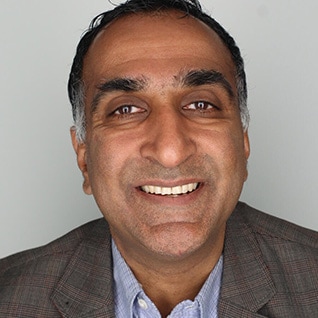 Welcome! It is my sincere pleasure to describe our department and fellowship program to you.
The multidisciplinary Department of Critical Care Medicine at Mayo Clinic in Arizona, has a strong legacy of anesthesiologist involvement from its inception and consistently strives to fulfill our institutional goals of prioritizing the needs of the patient and fostering excellence in developing physician leaders.
Over the past 30 years, the ICU practice here has evolved from a single ICU that cared for all patients regardless of referring service to now three ICUs (cardiovascular ICU, medical ICU, and surgical ICU) with a total of 48 beds with planned expansion to sixty beds to serve the needs of an ever-growing high acuity and complexity practice.
This acuity, volume, our dedication to providing the highest quality care to the sickest patients, the resources of Mayo Clinic, as well as our institution’s position as a quaternary referral center provide the substrate for a phenomenal fellowship experience, particularly when merged with our commitment to your professional growth and development.
Arun Jayaraman, M.D., Ph.D.
Anesthesiology Critical Care Medicine Fellowship Program Director
Program leadership and faculty
Explore the department's educational environment and meet the faculty who help guide and support fellows throughout their training.
Department and faculty
Department
Our department is somewhat unique in that it is a multidisciplinary Department of Critical Care Medicine comprising faculty from various training backgrounds, including anesthesiology, emergency medicine, internal medicine, and surgery.
Our faculty are experienced clinicians and enthusiastic educators who have trained at renowned institutions and maintain deep expertise. This results in a fertile training environment where you are exposed to multiple approaches and thought processes, as well as contemporary guideline-based care contextualized within the history of our field.
Faculty
The Department of Critical Care Medicine at Mayo Clinic in Arizona, comprises a diverse group of twenty-four faculty members from various training backgrounds including four anesthesiologist-intensivists, providing fellows with a truly multidisciplinary learning environment.
Our faculty members have won numerous awards for clinical care and education and are involved at the highest levels of institutional leadership. Above all, our faculty are deeply committed to our shared success: of our patients, trainees, department, and institution.
Meet the faculty
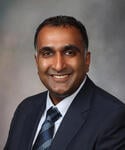 |
Arun Jayaraman, M.D., Ph.D.Program Director, Anesthesiologist and Co-Medical Director Dr. Jayaraman is a cardiothoracic anesthesiologist and intensivist who has been a consultant at Mayo Clinic in Arizona, for over ten years. He is program director for the ACCM fellowship, co-directs the CVICU, and is Associate Chair of Digital Transformation in the Department of Critical Care Medicine. Professional interests include procedural skill development and retention and novel applications of technology in healthcare. In his spare time, Dr. Jayaraman enjoys spending time with his family and travel. |
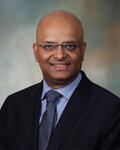 |
Ayan Sen, M.D.Critical Care Medicine Chair Dr. Sen is the chairman of the Department of Critical Care Medicine, hospital medical director, and medical director of the Kern Center for the Science of Health Care Delivery at Mayo Clinic in Arizona. He is board certified in Emergency Medicine, Internal Medicine-Critical Care Medicine, Neurocritical Care, Clinical Informatics, and Neuro-sonology. Dr. Sen's research interests are related to ECMO, Cardiogenic Shock and building high performance resuscitation teams. He has been the recipient of Mayo Clinic's Distinguished Clinician Award, CPD Faculty of the Year, and Resident/Fellow Educator of the Year. In his spare time, Dr. Sen enjoys dancing and travel. |
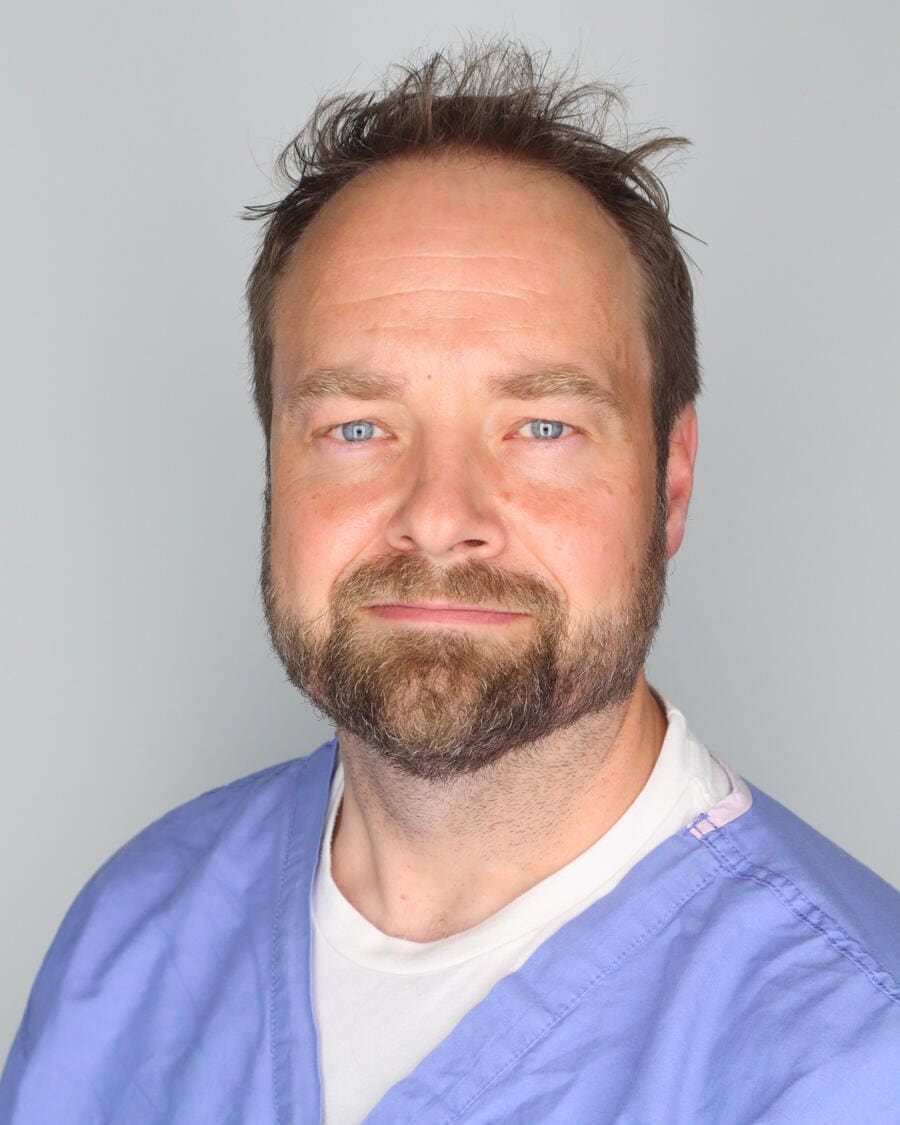 |
Ryan Craner, M.D.Anesthesiologist and Co-Medical Director Dr. Craner is a cardiothoracic anesthesiologist and intensivist. He is chief of the section of Cardiovascular and Thoracic Anesthesiology in the Department of Anesthesiology, co-directs the CVICU, and is Associate Chair of Education in the Department of Critical Care Medicine. Professional interests include medical education, quality improvement, and sonography including point-of-care ultrasound education. In his spare time, Dr. Craner enjoys spending time with his family and is active in his church. |
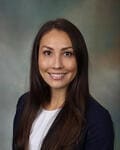 |
Megan Fah, M.D.Anesthesiologist and Co-Medical Director Dr. Fah is an Arizona native and is a board-certified anesthesiologist and intensivist. She co-directs the Transplant/Surgical ICU and is a member of the liver transplant anesthesia team. In her spare time, Dr. Fah enjoys spending time with family, doing Pilates, traveling, and trying new restaurants. |
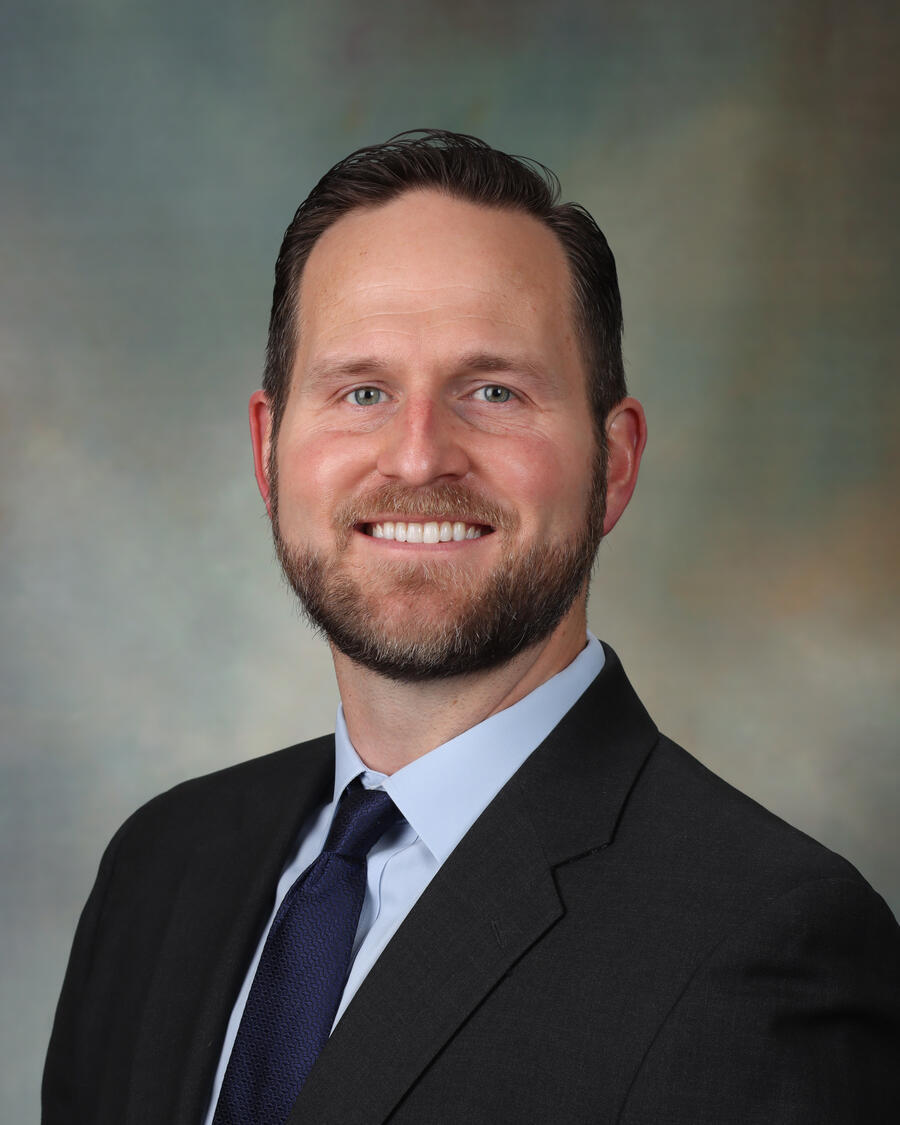 |
Kyle Henry, M.D.Critical Care Medicine Specialist Dr. Henry is board certified in Internal Medicine and Pulmonary-Critical Care Medicine. His professional interests include medical education, cardiopulmonary physiology, and improving multidisciplinary communication. He is a member of the Mayo Clinic Arizona Simulation Subcommittee and the ECMO Workgroup. In his personal time, he enjoys seeking new fine dining restaurants and going to the theater. |
 |
Bhavesh Patel, M.D.Critical Care Medicine Specialist Dr. Patel has a deep interest in medical education. He directed the resident and fellow ICU rotations for many years, has won Mayo’s prestigious “Educator of the Year” award, serves as core faculty for multiple intramural and extramural courses, and conducts research in professional education. Other professional interests include acupuncture, austere and military medicine, extracorporeal life support, and sonography. In his spare time, Dr. Patel enjoys travel including scuba diving. |
 |
Aaron Skolnik, M.D.Critical Care Medicine Vice Chair Dr. Skolnik is vice chair of the Department of Critical Care Medicine. He is board certified in Emergency Medicine as well as Addiction Medicine, Critical Care Medicine, Neurocritical Care, and Toxicology. Dr. Skolnik leads the Pulmonary Embolism Response Team and directs the neurocritical care aspect of our practice. In his spare time, Dr. Skolnik enjoys spending time with his family, travel, and restoring vintage automobiles. |
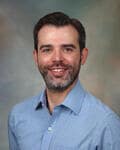 |
Benjamin Stix, M.D.Anesthesiologist and Critical Care Medicine Specialist Dr. Stix is board certified in Anesthesiology and Critical Care Medicine. He trained at Columbia University and the University of Michigan. Dr. Stix's interests include novel approaches to ICU sedation, palliative care in the ICU, and cardiac critical care. |
Wellness initiatives
As a trainee, your physical and mental health are priorities to Mayo Clinic and the department. Trainees have access to several resources to promote well-being, as well as time off clinical duties to attend appointments.
- Fitness centers
- Groups on campus
- Well-being
Fitness centers
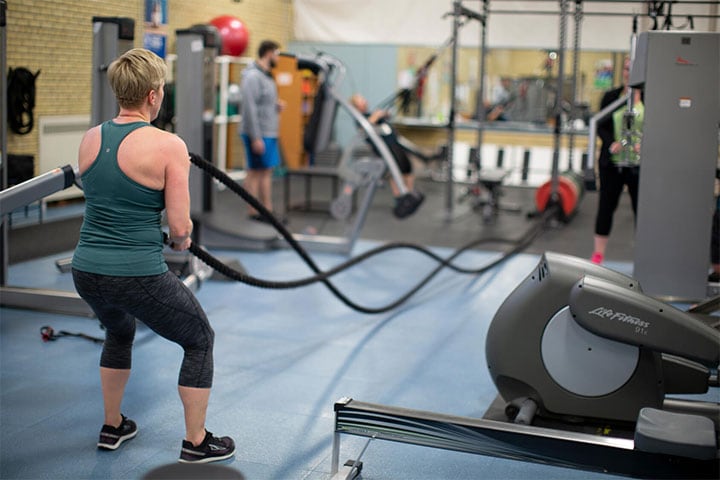 As a resident or fellow at Mayo Clinic in Arizona, you have access to PerkSpot, a Mayo Clinic employee discount program. PerkSpot provides you with many well-being options. Mayo Clinic residents or fellows at our three campuses can get discounted membership fees to area gyms.
All Mayo employees, including Arizona learners, can also sign up to take live virtual fitness classes or view recorded fitness classes offered by the Dan Abraham Healthy Living Center (DAHLC).
Groups on campus
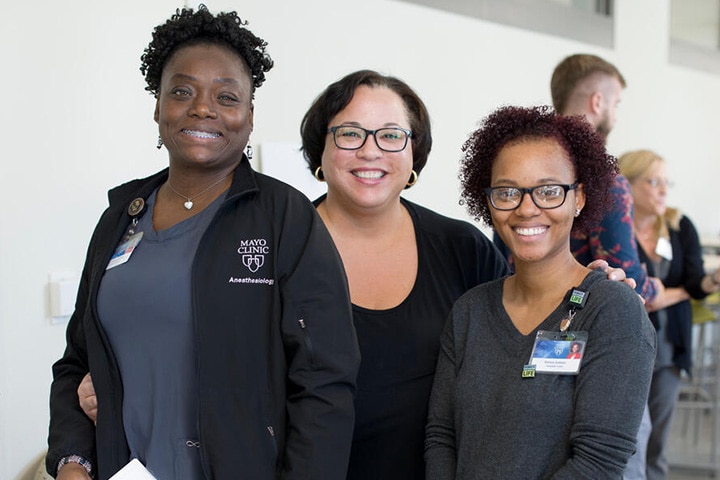 Opportunities to join a variety of groups on campus provide regular social activities and can help enhance your training while connecting with a broad group of peers.
Trainees have the opportunity to join a Mayo Employee Resource Group (MERG) at any time during their training program. MERGs are employee-led affinity groups to promote belonging, increase cultural awareness, and foster an environment of respect and inclusivity. Any Mayo Clinic employee can join a group of interest and choose their level of involvement.
Well-being
 The Office of Academic Support and Well-Being provides resources to promote academic, emotional, social, cognitive, financial, and physical well-being. Career and academic services include academic advising, peer tutoring, and accommodations for learners with disabilities or health conditions. Mental health services, counseling, interview practice, and a variety of enrichment sessions on topics like budgeting, resiliency, and stress and burn-out are also available through the Academic Support and Well-Being office.
Belonging
At Mayo Clinic, we foster an inclusive working environment and embrace the diversity of all our trainees, faculty, staff, and patients. Our Office of Belonging offers tremendous resources to support our mission of maintaining a welcoming atmosphere for all our employees, including our learners. We strive to provide culturally appropriate care and do our part to reduce healthcare disparities.
Mayo Fellows Association (MFA)
The Mayo Fellows Association (MFA) offers a peer and social support network for residents and fellows and their families with social events, athletics, and advocacy. The MFA also holds an annual resident and fellow appreciation event open to all trainees with complimentary massages, stress-reducing activities, and social support.
More from Mayo Clinic School of Graduate Medical Education
/0x0:512x512/prod01/channel_2/media/mccms/content-assets/academics/residencies-and-fellowships/3319834_0363-512X512.jpg)
Choosing Mayo Clinic
/0x0:512x512/prod01/channel_2/media/mccms/content-assets/shared-documents/campus-AZ-3180811-0001-pic-tile.jpg)
Phoenix/Scottsdale, AZ
/0x0:512x512/prod01/channel_2/media/studio-sites/mccms-reference-guide/512X5121676671_3824027_0010_C.jpg)
/0x0:440x220/prod01/channel_2/media/mccms/content-assets/campus--community/arizona/440X220_sidebar-mayo-clinic-phoenix-arizona-is453080663.jpg)