
/492x0:1475x983/prod01/channel_2/media/mccms/content-assets/academics/residencies-and-fellowships/clinical-neurophysiology-intraop-neuro-monitor-mn/HERO_-Intraoperative-Neurophysiological-Monitoring-(IONM)-patient-WF4888700_0039.jpg)
Overview
The Intraoperative Neurophysiological Monitoring (IONM) Fellowship at Mayo Clinic provides broad clinical exposure across the full spectrum of surgical procedures, from routine to highly complex cases. Fellows train within a fully integrated, in-house team of experienced technologists and physicians, supporting a collaborative care model and consistent supervision. The program includes a two-block intensive educational experience shared with clinical neurophysiology fellows, combining foundational didactics with hands-on training in core neurophysiologic techniques. Fellows gain progressive responsibility in intraoperative monitoring, including both in-room and supervised remote monitoring, with the ability to return to the operating room as needed for direct patient care and surgical consultation.
Research and professional development are supported through protected time for research. Fellows have access to Mayo Clinic’s Biostatistics, Epidemiology, and Research Design (BERD) resources to assist with study design, analysis, and dissemination. While international rotations are not part of the program, funding support is available for attendance at national meetings, with additional support for fellows who present their work. This structure provides a balanced experience in clinical training, education, and academic development.
Unique program highlights include:
- More than 2,500 IONM cases annually representing a wide range of surgical procedures
- Hands-on training in equipment setup, signal acquisition, and troubleshooting
- Graduated independence in intraoperative monitoring and communication with surgical teams
- Experience in both in-room and supervised remote monitoring workflows
- Training in advanced electrode placement, including extraocular and other complex muscle targets
- Access to modern IONM systems and opportunities to participate in clinical research and trials
year fellowship with 1 trainee accepted annually
full-time faculty dedicated to IONM training and supervision
weeks of elective time available for secondary CNP area
Accreditation and application
Learn about the program's accreditation status, certification opportunities, and application process for prospective fellows.
Accreditation, certification, program history
Accreditation
This program fulfills the training requirements as defined by the American Board of Psychiatry and Neurology and is accredited by the Accreditation Council for Graduate Medical Education (ACGME).
Certification
After trainees successfully complete this fellowship, they may be eligible to take certification exams offered by the American Board of Psychiatry and Neurology, Clinical Neurophysiology and the American Board of Clinical Neurophysiology, Neurophysiological Intraoperative Monitoring.
Program history
The Intraoperative Neurophysiological Monitoring department began in 1982. The Clinical Neurophysiology, Intraoperative Neurophysiological Monitoring program at Mayo Clinic in Rochester will have its first fellow in 2028.
Application process
Positions
One fellowship position is available annually.
Qualifications
Applicants for the Clinical Neurophysiology, Intraoperative Neurophysiological Monitoring Fellowship must have completed an Accreditation Council for Graduate Medical Education (ACGME) three-year neurology (adult or pediatric) program.
The program is designed to provide individualized, high-quality training through close faculty mentorship and a high case volume, making it a competitive opportunity for applicants with a strong interest in intraoperative neurophysiological monitoring and clinical neurophysiology. Successful applicants typically demonstrate a solid foundation in neurophysiology, strong clinical performance, and a clear commitment to developing expertise in IONM. Applicants can strengthen their application through relevant clinical experience, scholarly activity, and strong letters of recommendation. Early application and thoughtful alignment of career goals with the program’s clinical and academic opportunities are encouraged.
Also see general admissions requirements.
How to apply
Mayo Clinic School of Graduate Medical Education does not process printed applications to this program. You must apply through Recruit, a third-party application service. No matching program services are used.
Mayo's academic year begins in July. You must submit a completed application form and all required documentation no later than Nov. 1 (approximately 18 months before the program begins).
Complete the following steps to apply:
- Create an account to begin the online Application for Admission
- All applications to Mayo Clinic School of Graduate Medical Education programs must include these application materials
- After submission, view the required Supplemental Items and Documents
- Upload each required item in the Supplemental Items section (if applicable)
- Complete the Recommendation Request section (if applicable)
Applicants considered for an appointment will be invited for a personal interview with the program director and selected faculty.
Interviews are conducted between November and January each year.
Curriculum and training experience
The IONM fellowship offers a focused, one-year training experience dedicated to intraoperative neurophysiological monitoring.
Develop expertise through high-volume clinical exposure, progressive responsibility, and direct faculty supervision across a broad range of cases.
Clinical training
Training begins with a two-month Clinical Neurophysiology introductory course that provides a comprehensive foundation across all domains of clinical neurophysiology, with emphasis on neuroanatomy, physiology, pathophysiology, and the technical principles of neurophysiologic testing. This is followed by nine four-week blocks of immersive IONM training and two blocks of elective experience in electromyography (EMG), electroencephalography (EEG), or sleep medicine. This structure allows fellows to build core knowledge and technical skills while also tailoring a portion of training to individual interests.
Fellows gain experience across a broad range of surgical procedures, including:
- Vertebral column surgery
- Extradural spinal tumors
- Intradural extramedullary spinal tumors
- Intradural intramedullary spinal cord tumors
- Supratentorial tumor or lesion resection
- Infratentorial tumor or lesion resection
- Cranial nerve microvascular decompression
- Cerebral aneurysm clipping
- Cerebral and spinal vascular malformation treatment
- Moyamoya revascularization procedures
- Neck tumor resection
- Carotid endarterectomy
- Transcarotid artery revascularization (TCAR)
- Carotid artery bypass or transposition
- Thoracoabdominal aortic aneurysm repair
- Peripheral nerve tumor resections
- Peripheral nerve reconstruction procedures
- Selective dorsal rhizotomy
- Selective facial neurectomy
- Selective peripheral neurectomy
- Interventional radiology ablation of tumors or lesions near neural structures
- Orthopedic hip surgery
Training emphasizes hands-on participation in all aspects of IONM, including equipment setup, signal acquisition, troubleshooting, and real-time interpretation. Fellows progress through graduated responsibility, beginning with direct supervision and advancing to independent in-room monitoring with indirect faculty oversight. In the final phase of training, fellows develop proficiency in a hybrid care model that incorporates both in-operating room and on-site remote monitoring, preparing them for contemporary practice that integrates real-time interpretation, team communication, and rapid clinical decision-making.
Rotation schedule
| Rotation | Length |
|---|---|
| Clinical Neurophysiology Course | 8 weeks (2 blocks) |
| Intraoperative Neurophysiological Monitoring | 36 weeks |
| Electives | 8 weeks |
Rotation descriptions
Rotations
Intraoperative Neurophysiological Monitoring: IONM rotations provide immersive, hands-on training in intraoperative neurophysiological monitoring within a high-volume surgical environment. Fellows work closely with technologists, faculty, and surgical teams to develop core skills in setup, signal acquisition, troubleshooting, and real-time interpretation across a wide range of procedures.
Responsibility increases progressively throughout training, with fellows advancing from direct in-room supervision to leading cases with indirect faculty oversight. In the final phase, fellows gain experience in both in-room and on-site remote monitoring, preparing them for independent practice in modern IONM care models.
Clinical Neurophysiology Course: The Clinical Neurophysiology Introductory Course is a two-month, structured educational experience at the start of fellowship that provides a comprehensive foundation in core neurophysiology. Fellows participate alongside other clinical neurophysiology trainees in a curriculum that integrates didactic lectures, case-based learning, and hands-on instruction. Key topics include neuroanatomy, neurophysiology, and pathophysiology, as well as the principles, applications, and limitations of common neurodiagnostic modalities.
The course emphasizes practical skill development in signal acquisition, interpretation, and troubleshooting across modalities such as EEG, EMG, evoked potentials, and intraoperative monitoring. This foundational experience prepares fellows for advanced, clinically focused training and supports the development of consistent, high-quality neurophysiologic practice.
Electives
EEG elective: The EEG elective provides focused experience in the interpretation of routine and ambulatory electroencephalograms in both adult and pediatric populations. Fellows review a high volume of studies across a wide range of neurologic conditions, developing skills in pattern recognition, clinical correlation, and report generation.
Responsibility increases progressively, with fellows advancing from supervised interpretation to greater independence in EEG analysis and clinical decision-making. Exposure to more than 4,000 routine EEGs and over 250 ambulatory EEGs annually ensures broad experience and reinforces the development of efficient, accurate interpretation skills applicable to clinical neurophysiology practice.
EMG elective: The EMG elective offers hands-on experience in the electrodiagnostic evaluation of neuromuscular disorders. Fellows are actively involved in performing nerve conduction studies and needle electromyography across a diverse range of clinical conditions, building skills in technical execution, waveform interpretation, and anatomic localization.
Responsibility increases over the course of the rotation, with fellows progressing from closely supervised participation to more independent study performance and interpretation. Ongoing faculty guidance emphasizes efficient technique, diagnostic accuracy, and clear clinical reporting, supporting the development of practical skills applicable to neuromuscular and clinical neurophysiology practice.
Education and professional development
The fellowship combines structured didactic instruction with ongoing professional growth opportunities.
Didactic training
During IONM rotations, the structure of each day evolves as fellows progress through training. Early in the year, fellows are typically assigned a single case and focus on developing core skills in setup, monitoring, and interpretation with direct support from technologists and core faculty. As experience grows, fellows assume responsibility for supervising multiple cases, often from the on-site physician interpretation workspace, while maintaining the ability to transition quickly to the operating room for direct involvement and communication with the surgical team. This graduated model supports increasing autonomy while maintaining consistent faculty oversight.
Fellows participate in a home call schedule of approximately one day per week and one weekend per month, in coordination with core faculty. A laptop is provided to support remote access and clinical responsibilities while on call, with faculty available for guidance as needed. Didactic education includes the two-month introductory course as well as ongoing conferences held on the first, second, and fourth Mondays of each month, consisting of one educational lecture and two case-based review sessions. Fellows are free from clinical duties during these sessions. In addition, faculty provide a series of recorded IONM lectures that fellows complete early in training and may revisit throughout the year to reinforce learning.
Conferences
IONM Conference: Weekly conference focused on intraoperative neurophysiological monitoring, including case review, discussion of monitoring techniques, and updates in practice. Fellows actively participate in case-based discussions to reinforce interpretation and clinical decision-making skills.
EMG Conference: Weekly conference dedicated to electrodiagnostic studies, with emphasis on waveform interpretation, localization, and correlation with clinical neuromuscular disorders. Fellows review cases and discuss diagnostic approaches with faculty.
EEG Conference: Weekly conference addressing EEG interpretation across a range of neurologic conditions, including epilepsy and encephalopathies. Sessions emphasize pattern recognition, clinical correlation, and structured reporting.
Neurosurgery Spine Conference: Weekly multidisciplinary conference reviewing spine surgery cases, surgical planning, and outcomes. Fellows gain insight into the surgical perspective and the role of IONM in spine procedures.
Neurosurgery Brain Conference: Weekly conference focused on cranial neurosurgical cases, including tumors, vascular lesions, and functional procedures. Fellows observe interdisciplinary discussions that inform surgical strategy and intraoperative monitoring considerations.
National Conference Attendance: Fellows are supported to attend at least one national meeting during the fellowship, with additional meetings approved when presenting scholarly work. These opportunities support professional development, networking, and engagement with advances in the field.
Research opportunities
Fellows have access to a robust array of research resources that support both retrospective and prospective scholarly work. A comprehensive internal database of monitored IONM cases, integrated with the Mayo Clinic Data Explorer, allows fellows to identify and analyze large clinical datasets. In addition, fellows can utilize advanced data tools, including artificial intelligence–based methods, to facilitate efficient data extraction and project development. These resources provide a strong foundation for clinically meaningful research in intraoperative monitoring and related areas of neurophysiology.
Fellows are also encouraged to design and participate in prospective studies, including quality improvement initiatives and hypothesis-driven research projects. Dedicated support is available through the Mayo Clinic Biostatistics, Epidemiology, and Research Design (BERD) Resource, which assists with study design, statistical analysis, and dissemination of results. A unique aspect of the program is the combination of high clinical volume and advanced data infrastructure, enabling fellows to pursue impactful research aligned with their clinical interests and career goals.
Teaching opportunities
Fellows have multiple opportunities to participate in teaching across a variety of learners, including clinical neurophysiology technologist (CNT) trainees, IONM technologists, neurology residents, surgical residents, and other clinical neurophysiology fellows. Teaching occurs in both formal didactic settings and informal, hands-on clinical environments, such as the operating room and neurophysiology laboratories. Fellows may contribute to lectures, case-based discussions, and real-time instruction during procedures, working alongside faculty to support education across disciplines.
Participation in teaching allows fellows to deepen their own understanding of neurophysiological principles and clinical applications. By synthesizing complex concepts and communicating them clearly to others, fellows strengthen their clinical reasoning, technical knowledge, and leadership skills. These experiences help prepare fellows for future academic and clinical roles that include education and mentorship.
Call frequency, moonlighting
Call frequency
Fellows typically work approximately 50 to 55 hours per week during IONM rotations, with total duty hours well below the institutional maximum of 80 hours per week. Approaching the 80-hour limit is uncommon; however, fellows are instructed to take mandatory time off if duty hours near this threshold to ensure compliance and support overall well-being. The program structure is designed to promote a sustainable workload while maintaining a high level of clinical and educational experience.
Call responsibilities consist of home call approximately one day per week and one weekend per month, coordinated with core faculty. Fellows are provided with a laptop to facilitate remote access and participation in patient care while on call, with faculty readily available for support and consultation as needed. This structure allows fellows to gain experience in managing IONM-related clinical responsibilities while maintaining flexibility and appropriate supervision.
Moonlighting
Moonlighting may be permitted provided it does not interfere with clinical responsibilities, educational activities, or call obligations. All moonlighting activities must be discussed with and approved in advance by the Program Director to ensure compliance with institutional policies and training requirements.
Mentorship, evaluation
Mentorship
Mentorship is an integral component of the IONM Fellowship, with fellows working closely with a dedicated group of faculty throughout training. Each fellow receives consistent, individualized guidance through direct clinical supervision, regular feedback, and ongoing professional development discussions. Faculty are actively engaged in teaching during intraoperative cases, providing real-time input on technical performance, interpretation, and communication with surgical teams. This close working relationship fosters a supportive learning environment and facilitates progressive skill development.
As training advances, mentorship evolves to support increasing independence and career development. Fellows can expect structured feedback on clinical performance as well as guidance on scholarly activities, career pathways, and transition to independent practice. Faculty are accessible for advising on research projects, conference participation, and job placement. This longitudinal mentorship model ensures that fellows receive both day-to-day clinical teaching and broader professional support throughout the fellowship year.
Evaluation
To ensure that you acquire adequate knowledge and develop the appropriate technical skills to meet program expectations, your performance is monitored carefully during the program. You are evaluated formally by the supervising faculty member after each clinical rotation, and you will meet with the program director to review these evaluations. In addition, you will also regularly evaluate the faculty to ensure that your educational needs are being met.
Facilities and locations
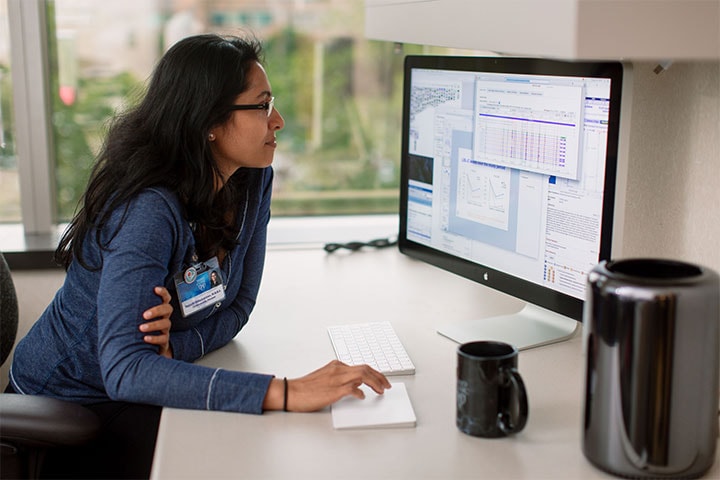
Fellows spend the majority of their clinical time in the operating room, participating directly in intraoperative neurophysiological monitoring across a range of surgical procedures. In addition, fellows have dedicated workspace within the IONM Laboratory physician interpretation area, where the fellow is provided with an individual multi-monitor workstation to support data review, interpretation, and communication. The IONM laboratory is located in close proximity to the operating rooms, allowing for rapid transition between monitoring locations and facilitating efficient, real-time clinical care.
The IONM Laboratory underwent renovation in 2025, providing a modern, collaborative environment equipped for both clinical care and education. Fellows also have access to a videoconference-enabled conference space within the laboratory for regular didactics and case discussions. A dedicated trainee locker and changing facilities are available, supporting workflow during operative days. From their workspace, fellows have direct access to technologists, faculty, and the broader IONM team, promoting continuous interaction, supervision, and learning.
From the program director
Welcome to the Intraoperative Neurophysiological Monitoring (IONM) fellowship at Mayo Clinic. Our program is designed to provide a supportive, high-quality learning environment built on close collaboration between fellows, faculty, technologists, and surgical teams. Through a high case volume, structured progression of responsibility, and direct faculty engagement, we aim to develop both technical expertise and clinical judgment. Fellows are integral members of the care team, and we emphasize clear communication, professionalism, and thoughtful decision-making in every aspect of training.
We are committed to continuous improvement and value trainee feedback as an essential part of that process. Fellows are encouraged to share input regularly, which is used to refine the educational experience and ensure that training remains both rigorous and supportive. Our structure promotes well-being through predictable workflows, access to resources, and a team-based environment where fellows are supported throughout their progression to independence. Fellows also have opportunities to take on leadership roles in clinical workflows, education, and scholarly activities, helping to shape both their own training experience and the future direction of the program.
Matt Hoffman, D.O., Ph.D.
Intraoperative Neurophysiological Monitoring Fellowship Program Director
Program leadership and faculty
Explore the department's educational environment and meet the faculty who help guide and support fellows throughout their training.
Department and faculty
The IONM program is part of a fully integrated neurophysiology practice that emphasizes standardized, physician-led, team-developed protocols to ensure consistency, quality, and patient safety. This model supports close collaboration among faculty, fellows, and technologists, creating a cohesive clinical and educational environment. The program traces its origins to Drs. Jasper Daube and Frank Sharbrough, pioneers in clinical neurophysiology whose influence continues to shape the department’s commitment to excellence in patient care, education, and innovation. This strong foundation distinguishes the program as a leader in comprehensive, team-based IONM practice.
Current faculty continue to advance the field through innovation, scholarship, and leadership. The group has pioneered techniques for monitoring cranial nerves III, IV, and VI and is recognized internationally for expertise in these complex applications. Faculty members regularly deliver invited lectures and hands-on workshops around the world, contributing to the dissemination of best practices in IONM. In addition, faculty hold leadership roles in national and international societies and educational courses, ensuring that the program remains aligned with — and helps define — the evolving standards of the field.
Meet the faculty
The core faculty for the IONM fellowship — Drs. Hoffman, Oishi, and Osman — are committed to providing a highly engaged and supportive training experience. Fellows work closely with faculty through a combination of structured didactics and daily, hands-on clinical teaching, with an emphasis on individualized instruction and real-time feedback. This close interaction fosters a strong mentorship environment, allowing faculty to tailor teaching to each fellow’s learning style and career goals while promoting progressive independence and confidence in clinical decision-making.
Faculty bring a diverse range of expertise within clinical neurophysiology. Two members specialize in intraoperative neurophysiological monitoring while also maintaining active involvement in the electrodiagnostic laboratory, providing fellows with insight into complementary areas of practice. The third faculty member has broad expertise spanning epilepsy, EEG, MEG, neuromodulation, and IONM. All three faculty contribute to national guideline and recommendation development in clinical neurophysiology and have led innovations in cranial nerve monitoring, reflecting a shared commitment to advancing the field through scholarship, education, and leadership.
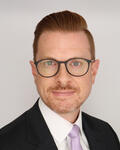 |
Matt Hoffman, D.O., Ph.D., Program DirectorDr. Hoffman has interests IONM innovation and education. He has been a frequent IONM course lecturer for the American Clinical Neurophysiology Society and the International Society of Intraoperative Neurophysiology, where he is on the Education Committee. In his personal time, Dr. Hoffman enjoys exploring the outdoors and the world of specialty coffee. |
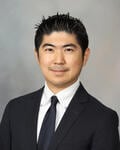 |
Tatsuya Oishi, M.D.Dr. Oishi has been a key figure in intraoperative neuromonitoring at Mayo Clinic since 2020, contributing not only through clinical expertise but also through dedicated education of neurology fellows and technologists. Known for using self-created computer graphics and animations, he delivers complex material in an engaging and highly effective manner. His creativity and passionate commitment to teaching were recognized with the Excellence in Teaching Award from the Clinical Neurophysiology Technology School in 2025, the same year he became a fellow of the American Clinical Neurophysiology Society (ACNS). |
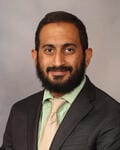 |
Gamal Eldin M. Osman, M.B., B.Ch.Dr Osman has extreme dedication to resident, fellow, and technologist education. He has provided multiple lectures and participated in educational workshops for epilepsy and clinical neurophysiology fellows. He is one of the authors of American Clinical Neurophysiology critical care EEG terminology widely adopted in fellowship educational curriculums. He enjoys playing soccer and participating in workout challenges with residents, fellows, and technologists. |
Wellness initiatives
As a trainee, your physical and mental health are priorities to Mayo Clinic and the department. Trainees have access to several resources to promote well-being, as well as time off clinical duties to attend appointments.
- Dan Abraham Healthy Living Center
- Groups on campus
- Well-being
Dan Abraham Healthy Living Center
 Trainees have access to the Dan Abraham Healthy Living Center (DAHLC), which is located on both Mayo Clinic campuses (downtown and Saint Marys) in Rochester, Minnesota. This state-of-the-art fitness facility offers basic classes (including free weights, stretching, cardio, and more), drop-in classes, evaluation services, group training, virtual personal training, and virtual wellness coaching.
Membership to the DAHLC is available at a low cost to trainees and their families through payroll deduction.
Video: Dan Abraham Health Living Center
Video: A look inside the Dan Abraham Health Living Center
Groups on campus
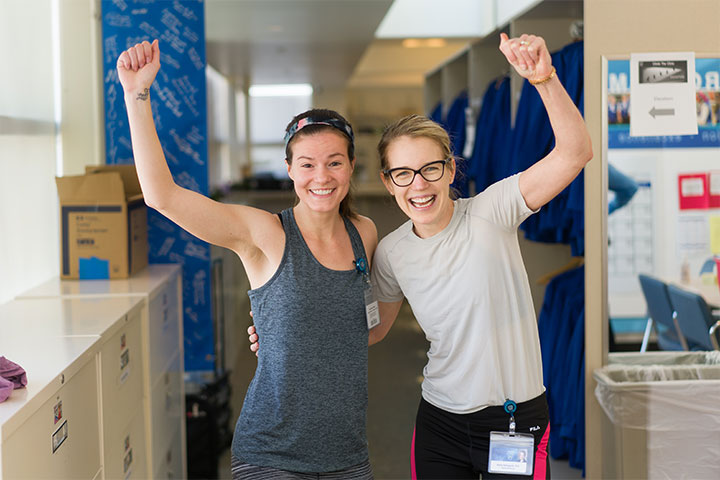 Several groups on campus help you connect with other fellows and their families, such as the Mayo Fellows Association, the Mayo Families' Connection, and Mayo Employee Resource Groups. These groups help enhance your training by providing and organizing wellness initiatives and social activities.
Workshops for spouses and significant others are also available.
Well-being
 The Office of Academic Support and Well-Being provides resources to promote academic, emotional, social, cognitive, financial, and physical well-being. Career and academic services include academic advising, peer tutoring, and accommodations for learners with disabilities or health conditions. Mental health services, counseling, interview practice, and a variety of enrichment sessions on topics like budgeting, resiliency, and stress and burn-out are also available through the Academic Support and Well-Being office.
Mayo Fellows Association (MFA)
The Mayo Fellows Association (MFA) offers a peer and social support network for residents and fellows and their families with social events, athletics, and advocacy. The MFA also holds an annual resident and fellow appreciation event open to all trainees with complimentary massages, stress-reducing activities, and social support.
Belonging
At Mayo Clinic, we foster an inclusive working environment and embrace the diversity of all our trainees, faculty, staff, and patients. Our Office of Belonging offers tremendous resources to support our mission of maintaining a welcoming atmosphere for all our employees, including our learners. We strive to provide culturally appropriate care and do our part to reduce healthcare disparities.
/0x0:1440x480/prod01/channel_2/media/studio-sites/mccms-reference-guide/1440X4801573348-380187-2-0024.jpg)
5:33
Video: See yourself at Mayo Clinic
More from Mayo Clinic School of Graduate Medical Education
/0x0:512x512/prod01/channel_2/media/mccms/content-assets/academics/residencies-and-fellowships/3319834_0363-512X512.jpg)
Choosing Mayo Clinic
/0x0:512x512/prod01/channel_2/media/mccms/content-assets/shared-documents/campus-MEYR6203-pic-tile.jpg)
Rochester, MN
/0x0:512x512/prod01/channel_2/media/studio-sites/mccms-reference-guide/512X5121676671_3824027_0010_C.jpg)
/0x0:440x220/prod01/channel_2/media/mccms/content-assets/campus-amp-community/minnesota/440X220_sidebar-mayo-clinic-rochester-mn-3554057-0012.jpg)