
/0x0:806x806/prod01/channel_2/media/mccms/content-assets/academics/residencies-and-fellowships/physical-medicine-and-rehab-residency-az/Mobile_Physical-Medicine-Rehab-Residents-AZ-1499366_3723733_0165.jpg)
Overview
At Mayo Clinic, education is integral to our mission and is closely integrated with our commitment to excellence in patient care and research. Residents in the Physical Medicine and Rehabilitation Residency at Mayo Clinic in Arizona will benefit from the breadth of Mayo Clinic’s expertise, resources, and multidisciplinary model of care, receiving comprehensive training designed to prepare them for independent practice and leadership in the field. In addition to training within Mayo Clinic, residents will gain distinctive clinical experiences through rotations at Phoenix Children’s Hospital and Barrow Neurological Institute — institutions recognized for excellence in patient care, education, and research. Residents may also pursue educational experiences at other Mayo Clinic sites, further expanding the breadth and flexibility of their training.
Research and scholarly activity are also important components of the residency experience. Residents have access to Mayo Clinic’s extensive research infrastructure, faculty mentorship, and opportunities to participate in research and research training throughout residency. Dedicated opportunities for scholarly work, including Mayo Clinic research events where trainees can present their work, support residents in developing their academic interests and contributing to the advancement of rehabilitation medicine. Together, these clinical, educational, and research opportunities provide residents with a broad and individualized training experience supported by the resources of Mayo Clinic.
Highlights of the program include:
- A diverse curriculum encompassing injection techniques, clinical practice pearls, diagnosis, and management of disorders commonly seen in a physical medicine and rehabilitation practice.
- A learning environment that fosters the development of your clinical skills and academic abilities in all areas of rehabilitation medicine.
- With clinical experiences at Mayo Clinic in Phoenix, Arizona; Barrow Neurological Institute in Phoenix, Arizona; and Phoenix Children's Hospital in Phoenix, Arizona, this residency provides a comprehensive outpatient and inpatient rehabilitation educational experience. This includes subspecialty inpatient rehabilitation programs, interventional procedures, electromyography, and spasticity management.
- Extensive musculoskeletal and spine procedure training, including the use of diagnostic ultrasound, and fluoroscopy guided joint, nerve, tendon, and spinal procedures.
- Gain valuable experience by learning from a large, diverse patient population and benefit from a high faculty-to-resident ratio with physiatrists at the Mayo Clinic, Barrow Neurological Institute, and Phoenix Children’s Hospital.
- The opportunity to form collegial relationships with internationally recognized experts in many related medical and surgical specialties, including the residents and alumni of the Physical Medicine and Rehabilitation program in Rochester, Minnesota, and Physical Medicine and Rehabilitation program in Jacksonville, Florida.
residents per year
full-time faculty (including Mayo Clinic, Barrow Neurological Institute, and Phoenix Children's Hospital)
year program
Certification, program history, and application process
Learn more about certification exam eligibility, program history, and the application process for the program.
Certification and program history
Certification
After completing the Physical Medicine and Rehabilitation Residency at Mayo Clinic in Arizona, you will be eligible to take the certification examination offered by the American Board of Physical Medicine and Rehabilitation.
Program history
After receiving initial accreditation status from the ACGME as of 2026, the Physical Medicine and Rehabilitation Residency program at Mayo Clinic in Arizona, will participate in the 2027 National Residency Match Program (NRMP) to accept their first class of residents to begin their PGY-2 year at Mayo Clinic in Arizona in 2028.
Application process
Positions
The Physical Medicine and Rehabilitation Residency Program at Mayo Clinic in Arizona offers two positions annually.
Applicants can maximize the strength of their application by demonstrating a genuine interest in Physical Medicine and Rehabilitation (PM&R) through meaningful clinical experiences, strong letters of recommendation, and a thoughtful personal statement. We encourage applicants to obtain at least one letter of recommendation from a PM&R rotation, as this provides valuable insight into their potential for success in the specialty. Research experience and demonstrated interest in medical education are also viewed favorably. While these attributes strengthen an application, we review all applicants holistically and value the diverse experiences, perspectives, and qualities each individual brings to our program.
This is a three-year advanced residency program. Applicants must complete an accredited preliminary (intern) year at another institution prior to starting their PM&R residency training in our program.
Qualifications
- Typically, applicants apply to the Physical Medicine and Rehabilitation Residency during their fourth year of medical school.
- We consider all applications, including those from qualified international medical graduates. Such applicants must have achieved certification by the Educational Commission for Foreign Medical Graduates (ECFMG) and passed the National Board of Medical Examiners (NBME) exams at the time of application. All residents must have excellent spoken and written English.
Also see general admissions requirements.
How to apply
You must apply through the Electronic Residency Application Service (ERAS). This can be done through your medical school dean's office. International medical graduates should contact the Educational Commission for Foreign Medical Graduates (ECFMG) for information on how to apply using ERAS.
All positions are filled through the National Resident Matching Program (NRMP).
The application and all supporting documentation must be submitted by Oct. 15 for each academic year. Three letters of recommendation are required.
- To apply to the program, visit the ERAS website. All applications to Mayo Clinic School of Graduate Medical Education programs must include these application materials.
- All appointments are made through the National Resident Matching Program (NRMP). Candidates must register through the NRMP website.
- Applicants considered for an appointment will be invited to participate in interviews with the program director and selected faculty. Interviews are usually conducted in November, December, and January each year.
Curriculum
Learn more about the program curriculum, including rotation schedule and descriptions, didactic training, teaching and research opportunities, and more.
Clinical training
The Physical Medicine and Rehabilitation (PM&R) Residency at Mayo Clinic's campus in Phoenix, Arizona, is a three-year advanced training program that provides a comprehensive and well-balanced educational experience. The curriculum includes 35 four-week blocks of required rotations across core areas: inpatient rehabilitation, outpatient musculoskeletal rehabilitation, outpatient neurologic rehabilitation, electromyography (EMG), pediatric rehabilitation, and inpatient consultation services. Residents also complete four 4-week elective rotations, allowing them to tailor their training to their individual interests and career goals. A longitudinal continuity clinic during the final two years of residency provides progressive outpatient experience and fosters long-term patient relationships.
Residents participate in a structured didactic curriculum with protected educational time free from clinical responsibilities. The educational program includes simulation-based training for interventional procedures, musculoskeletal ultrasound instruction, and anatomy laboratory experiences to reinforce procedural skills and anatomic knowledge. Clinical responsibilities increase progressively throughout residency, with graduated autonomy and individualized educational experiences that reflect each resident's development. Faculty mentors, faculty advisors, and program leadership provide regular feedback, mentorship, and support to promote resident growth and success.
The program also emphasizes scholarly activity and research. Residents have protected time for research during select outpatient rotations and receive guidance in developing and completing a research project during residency. In addition, residents have the opportunity to participate in Mayo Clinic's Clinical Investigator Training Program, providing formal instruction in clinical research methods for those interested in pursuing academic and investigative careers. The Clinical Educator Pathway, is designed for residents interested in developing skills in medical education, curriculum development, and teaching.
Procedures
Residents will be trained on following procedures: Ultrasound guided joint, bursa, tendon, nerve injections, trigger point injections, diagnostic ultrasound, NCS/EMG, botulinum toxin injections, neuraxial procedures including epidural steroid injections, medial branch blocks/radiofrequency ablations, facet joint injections, percutaneous tenotomy, extracorporeal shockwave therapy, platelet-rich plasma (PRP) injections, and bone marrow aspirate concentrate (BMAC) harvesting and injections. Each resident is expected to have performed each procedure in numbers well above minimum requirements by ACGME by the time of their graduation.
Practice board exams
To prepare for board examinations, you participate in the yearly self-assessment exam prepared by the American Academy of Physical Medicine and Rehabilitation. There will be additional board preparation sessions held by PMR faculty for written and oral boards throughout the residency.
Rotation schedules
Program year 1: PGY-2
| Rotation | Length |
|---|---|
| Inpatient brain injury/stroke | 16 weeks |
| Inpatient spinal cord injury | 8 weeks |
| Outpatient musculoskeletal clinic | 12 weeks |
| Inpatient consultation | 8 weeks |
| Outpatient neurorehabilitation and amputee clinic | 4 weeks |
| Electives | 4 weeks |
Program year 2: PGY-3
| Rotation | Length |
|---|---|
| Electrodiagnostic medicine | 16 weeks |
| Pediatric rehabilitation | 8 weeks |
| Inpatient consultation | 4 weeks |
| Pain medicine | 4 weeks |
| Cancer rehabilitation | 4 weeks |
| Sports medicine | 8 weeks |
| Elective | 4 weeks |
| Outpatient musculoskeletal clinic | 4 weeks |
Program year 3: PGY-4
| Rotation | Length |
|---|---|
| Inpatient brain inury/stroke | 8 weeks |
| Inpatient spinal cord injury | 8 weeks |
| Electrodiagnostic medicine | 8 weeks |
| Outpatient musculoskeletal clinic | 8 weeks |
| Electives | 8 weeks |
| Pediatric rehabilitation | 4 weeks |
| Outpatient hand and musculoskeletal clinic | 4 weeks |
| Inpatient consultation | 4 weeks |
Rotation descriptions
Inpatient Rehabilitation Services: Your inpatient rehabilitation rotations will occur at Barrow Neurological Institute in Phoenix, Arizona. This is a 52-bed, hospital-based rehabilitation unit on the campus of St. Joseph's Hospital and Barrow Neurological Institute. During these rotations, you work with PM&R staff physicians to provide primary medical care and to direct the patient’s rehabilitation care. There are general internal medicine hospitalists and full complement of consultants, including neurology and neurosurgery services available to assist with the medical care of the patients. You will conduct patient care conferences with the rehabilitation team, family conferences as needed, and lead clinical discussion groups along with the faculty.
Residents assume an increasing level of practice independence as their experience and abilities dictate. PM&R physicians also have an active role as consultants and work closely throughout the institution. You will work closely with physical therapists, occupational therapists, speech language pathologists, clinical psychologists, and licensed social workers on the rehabilitation needs of your patients.
Though the rehabilitation program is based mainly on the care of neurorehabilitation diagnoses, residents will also have exposure to post-transplant rehabilitation, advanced heart failure/LVAD patients and patients with chronic disability with new complications. During the PGY-2 year, residents will spend two 4-week rotations on services focused on spinal cord, stroke, and brain injury rehabilitation services. During PGY-3 and PGY-4 years, residents will have the opportunity to do consultations, including trauma services as well as be able to run a resident service supervising PGY-2s and medical students.
Barrow Neurological Institute serves as a robust teaching environment with top ranked residencies in neurosurgery and neurology. Students from Creighton University School of Medicine also pursue M3 and M4 rotations in PM&R giving plenty of teaching opportunities for residents.
Clinic Outpatient Consultation Services: Throughout each year of the program, you will spend multiple weeks on outpatient rotations and see a wide variety of conditions. On the musculoskeletal rehabilitation side of training, you gain experience in the diagnosis, management, and rehabilitation of acute and chronic musculoskeletal problems, including sports injuries, arthritis, and other degenerative problems, spine conditions, and sports rehabilitation. You develop diagnostic ultrasound skills and the ability to provide ultrasound or fluoroscopy-guided peripheral injections. There is also exposure to regenerative medicine pathways and procedures. There are progressing levels of clinical independence each year in musculoskeletal and spine management within the PM&R clinics and one 4-week rotation in pain medicine during PGY-3.
Required outpatient rotations will also include an outpatient cancer rehabilitation rotation and neurorehabilitation rotation where you will learn spasticity management, including but not limited to botulinum toxin injections, amputee clinic, and non-surgical hand specialty clinic.
Electromyography: You gain extensive experience in electromyography during six (four-week) block rotations in the Department of Neurology at Mayo Clinic in Arizona. There are four rotations during the PGY-3 year and another two rotations during the PGY-4 year to reinforce skills and allow you to perform enough electromyographic studies to qualify for certification by the American Board of Electrodiagnostic Medicine.
Pediatric rehabilitation: Your residency includes eight weeks of pediatric rehabilitation services consisting of both inpatient and outpatient care at Phoenix Children’s Hospital. You will learn to assess and manage children with developmental disabilities and diseases, cerebral palsy, muscular dystrophy, spina bifida, and acquired disorders such as brain trauma and spinal cord injuries.
Electives: You are able to apply for Inpatient and outpatient elective rotations which meet your interests and career goals. Your options include electives in the Department of Physical Medicine and Rehabilitation or in other departments at Mayo Clinic, Barrow Neurological Institute, and Phoenix Children's Hospital.
You may complete rotations at Mayo Clinic's campuses in Rochester, Minnesota; Phoenix/Scottsdale, Arizona; or the Mayo Clinic Health System in Minnesota or Wisconsin, during the PM&R Residency. These practices offer outpatient and inpatient PM&R experience in a variety of academic or community-based practices.
Mayo Clinic funds your authorized additional costs of travel, housing, automobile rental, and licensure fees.
Didactic training
Clinical conferences, seminars, small discussion groups, journal clubs, and one-on-one instruction are integral parts of the PM&R residency at the Mayo Clinic in Arizona.
Your didactic training includes:
- Resident didactic sessions that focus on the diagnosis, treatment, and rehabilitation of disorders involving musculoskeletal, neurological, cancer, deconditioning, cardiopulmonary, and amputation on a weekly basis.
- This will include a comprehensive longitudinal training curriculum in musculoskeletal ultrasound for diagnostic and injection purposes.
- A comprehensive introductory PM&R curriculum and a research training curriculum.
- Journal club, which meets once a month.
- Clinical conferences are presented by physical medicine and rehabilitation consultants, residents, students, or guest faculty on a monthly basis.
- Weekly conferences in inpatient rehabilitation services. Attendance is required while you are on these specific rotations, otherwise, attendance is optional.
- An annual Resident Seminar Day provides a forum for presentation of the initial development of research project during PGY-2 year and for senior residents to present the findings/outcomes of their research.
Conferences
- Mayo Clinic Department of Physical Medicine and Rehabilitation Clinical Conference: This is a monthly conference presented by physical medicine and rehabilitation consultants, residents, students, or guest faculty.
- Mayo Clinic Department of Physical Medicine and Rehabilitation Journal Clubs: This is a monthly event presented by physical medicine and rehabilitation consultants, residents, students, or guest faculty.
- Mayo Clinic Department of Physical Medicine and Rehabilitation Grand Rounds: This is a weekly conference involving physical medicine and rehabilitation departments in Arizona, Florida, and Minnesota campuses, presented by physical medicine and rehabilitation consultants, residents, students, or guest faculty.
Research opportunities
The research training program includes planning a research project early in the PGY-2 year that you complete during your residency. Projects frequently involve musculoskeletal ultrasound, epidemiology of specific disorders, or new rehabilitation interventions. This experience improves your ability to think analytically and critically review literature. Research funding is available for approved projects.
During the residency, you prepare two seminar presentations that represent the introduction and results of your research project.
PM&R residents are encouraged to submit their research work for presentation at national meetings. If accepted, the department supports your participation in presenting your scholarly work at those meetings. In addition, each resident is offered one trip to attend a meeting of his or her choice as an educational and networking opportunity.
Clinician Investigator Training Program
The Clinician Investigator Training Program is available as part of the PM&R Residency. This opportunity would extend your training by approximately 18-24 months. The Clinician Investigator Training Program is an excellent choice if you are planning a career that would emphasize research in an academic center.
Teaching opportunities
You have the opportunity to teach Mayo Clinic Alix School of Medicine students and visiting students from other medical schools through bedside instruction, outpatient clinic supervision, physical examination workshops, and formal didactic lectures. In addition, residents and fellows from other Mayo Clinic departments rotate through PM&R.
Call frequency and moonlighting
Call frequency
Your call schedule varies by individual rotation. Mayo Clinic follows duty hour recommendations of the Accreditation Council for Graduate Medical Education (ACGME). Generally, you are on call every fourth night.
Moonlighting
Moonlighting is permitted for licensed residents at the PGY-3 level or above with prior approval from the Program Director. Moonlighting activities may be scheduled during times when you are assigned to consultative or outpatient rotations on the PM&R services, as long as they do not interfere with your clinical, didactic, or research-related duties. No moonlighting is allowed while you are assigned to inpatient rotations or on rotations in other departments unless the residents in that department are allowed to moonlight.
Mentorship and evaluation
Mentorship
You are assigned a faculty adviser who can provide educational advice and personal support. Your adviser also serves as a contact point, introducing you to the Mayo Clinic system. You will also have a research and career mentor throughout residency which you may choose or have assigned to you based on your areas of interest.
Evaluation
To ensure that you acquire adequate knowledge and develop the appropriate technical skills to meet program expectations, your performance is monitored carefully during the program. You are evaluated formally by the supervising faculty member after each clinical rotation, and you will meet with the program director to review these evaluations. In addition, you will also regularly evaluate the faculty to ensure that your educational needs are being met.
Facilities and locations
The faculty at the Department of Physical Medicine and Rehabilitation (PM&R) at Mayo Clinic in Arizona, Barrow Neurological Hospital, and Phoenix Children’s Hospital focuses on fostering functional recovery for inpatients and outpatients through an integrated, multidisciplinary team of rehabilitation professionals at each site.
About Mayo Clinic in Arizona
Residents will spend time at the outpatient clinics of Mayo Clinic's Phoenix location, Mayo Clinic's Scottsdale clinic location, and Mayo Clinic's Tempe sports medicine location during each of the three years of their training. At the Phoenix location, residents will also cover the inpatient consultation service.
Mayo Clinic in Arizona is recognized as one of the top 20 hospitals in the nation, and the No. 1 hospital in Arizona for the 14th consecutive year. In March 2025, Mayo Clinic announced a nearly $1.9 billion investment in the continued transformation of its Phoenix location as part of its Bold. Forward. strategy to Cure, Connect and Transform healthcare for the benefit of patients everywhere, with its completion slated for 2031.
About Barrow Neurological Institute
Adult inpatient rehabilitation rotations will be at the Barrow Neurological Institute (BNI) in Phoenix, Arizona.
Barrow Neurological Institute at Dignity Health St. Joseph’s Hospital and Medical Center in Phoenix, Arizona is an international leader in the treatment, research, and education of brain and spinal diseases, conditions, and injuries. Continuing a legacy of excellence that started with the Institute’s opening in 1962, each year, Barrow physicians and specialists treat more than 75,000 patients, and its surgeons perform more than 6,500 brain, spine, head, and neck surgeries. Because of the Institute’s high volume, Barrow subspecialized physicians and clinicians are familiar with the rarest and most challenging conditions.
At BNI residents will spend time in the inpatient setting. They will be supervised by 6 specialty trained physical medicine and rehabilitation physicians. Residents will gain clinical experience in rehabilitation management of spinal cord injury, stroke and brain injury units as well as manage patient with complex medical conditions including amputees and patients with cancer.
About Phoenix Children's Hospital
Phoenix Children's Hospital was founded in July 1980 and now offers care in over 75 pediatric subspecialties across more than 40 locations throughout the state. In 2024, Phoenix Children’s was named one of U.S. News & World Report’s Best Children’s Hospitals for the 14th consecutive year. The health system also earned recognition as the top children’s hospital in Arizona for the fourth consecutive year, and it is home to nine Centers of Excellence.
Residents will spend time in both inpatient and outpatient settings at the Phoenix Children’s Hospital, led by two fellowship-trained pediatric rehabilitation specialists. Residents will learn how to provide care for children and adolescents with a wide variety of conditions including cerebral palsy, neuromuscular diseases, spinal cord impairment, traumatic brain injury, stroke, cancer treatment, and secondary effects of cancer.
From the program director
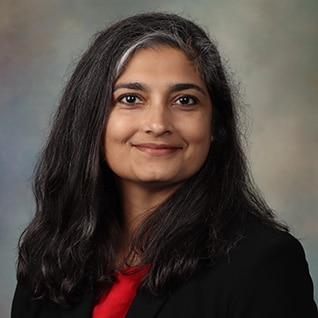 At the Mayo Clinic Arizona, Barrow Neurological Institute, and Phoenix Children’s Hospital we offer an outstanding, innovative, and comprehensive training experience in physical medicine and rehabilitation for you. The training offers a remarkable opportunity to learn at well-established institutions at the top of their fields in the state of Arizona and regionally.
You'll become proficient in diagnosing and managing the common and complex outpatient and inpatient rehabilitation problems of patients, with an emphasis on learning to meet the needs of your patients, and to allow them to return to the highest level of function and quality of life possible.
We expect you to competently and collaboratively offer excellent clinical care to every patient and embrace Mayo Clinic's three-shield model which not only includes clinical care, but an emphasis on education and research. You should be ready to learn daily and participate in the education of medical students and other residents on topics related to musculoskeletal and neurologic rehabilitation. In addition, you will be expected to design and conduct scholarly research utilizing the extensive resources of Mayo Clinic, and Barrow Neurological Institute.
We take pride in developing a very strong program for your education and learning and would be seeking applicants who have a passion for improving the lives of patients and advancing the field of physical medicine and rehabilitation.
Please explore our website to learn more about our program.
Nandita Keole, M.D.
Physical Medicine and Rehabilitation Program Director
Department and faculty
The faculty in the Physical Medicine and Rehabilitation (PM&R) residency at Mayo Clinic in Arizona, Barrow Neurological Institute, and Phoenix Children's Hospital focuses on fostering functional recovery for inpatients and outpatients through an integrated, multidisciplinary team of rehabilitation professionals at each site.
The Department of PM&R at the Mayo Clinic in Arizona, includes ten physiatrists (physicians specializing in physical medicine and rehabilitation) with subspecialty expertise in sports medicine, spine care, regenerative medicine, musculoskeletal ultrasound, neurorehabilitation, pain medicine, and cancer rehabilitation.
The Department of PM&R at Barrow Neurological Institute includes five physiatrists with subspecialty experience in brain injury and spinal cord injury.
The Department of PM&R at Phoenix Children's Hospital includes two physiatrists with subspecialty expertise in pediatric rehabilitation.
In addition to caring for patients in their clinical practices, faculty members are committed to teaching and facilitating the growth of medical knowledge. Many of our faculty have published and lectured extensively and are highly regarded in their fields. A majority of the faculty members are involved in Mayo Clinic Alix School of Medicine, University of Arizona College of Medicine, and Creighton University College as course directors, instructors, and lecturers, as well as mentors.
You have direct access to the physical medicine and rehabilitation faculty at Mayo Clinic, Barrow Neurological Institute, and Phoenix Children's Hospital throughout your training.
Learn more about Mayo Clinic's physical medicine and rehabilitation doctors, the Department of Physical Medicine and Neuro-Rehabilitation at Barrow Neurological Institute, and PM&R at Phoenix Children's Hospital.
Meet the faculty
The faculty of the Physical Medicine and Rehabilitation (PM&R) Residency Program at Mayo Clinic in Arizona consists of a diverse group of physicians both in terms of geographical locations of their training and subspecialty expertise, including sports medicine, spine care, regenerative medicine, musculoskeletal ultrasound, neurorehabilitation, pain medicine, pediatric rehabilitation, and cancer rehabilitation. The faculty is deeply committed to training and mentoring the next generation of physicians.
Faculty
- Sally Alcott, M.D.
- Casey Brown, D.O., Barrow Neurological Institute
- Bradley Chi, M.D., Barrow Neurological Institute
- Stephen Covington, D.O.
- Share David, M.D.
- Physical Medicine and Rehabilitation inpatient consultations
- View full profile
- Lester Duplechan, M.D.
- Spine, spasticity, musculoskeletal, sports medicine, electromyography, and ultrasound
- View full profile
- Bryan Ganter, M.D., Mayo Clinic – Arizona, Department of Physical Medicine and Rehabilitation, Chair
- Regenerative medicine and ultrasound
- View full profile
- Chris Ha, D.O.
- Regenerative medicine and ultrasound
- View full profile
- Nandita Keole, M.D., Physical Medicine and Rehabilitation, Residency Program Director
- Cancer rehabilitation and musculoskeletal
- View full profile
- Julie Khoury, M.D.
- Neuromuscular diseases, autonomic disorders and electromyography
- View full profile
- Christina Kwasnica, M.D., Barrow Neurological Institute Physical Medicine and Neuro-Rehabilitation, Chair
- Brain injury, spinal cord injury, spasticity
- View full profile
- Matthias Linke, D.O., Barrow Neurological Institute, Spinal Cord Injury Rehabilitation Program, Director
- Spinal cord injury
- View full profile
- Mark Linsenmeyer, M.D., Barrow Neurological Institute
- Tenee Lopez, M.D., Barrow Neurological Institute
- Brain injury, stroke recovery, spasticity
- View full profile
- Ray Stanford, D.O., Phoenix Children's Hospital Physical Medicine and Rehabilitation Division Chief
- Pediatric physical medicine and rehabilitation
- View full profile
- Gregory Umphrey, M.D.
- Daniel Wei, M.D.
- Neurorehabilitation, spasticity, peripheral neuropathy
- View full profile
- Min Yoo, M.D., Physical Medicine and Rehabilitation, Residency Associate Program Director
- Musculoskeletal
- View full profile
Wellness initiatives
As a trainee, your physical and mental health are priorities to Mayo Clinic and the department. Trainees have access to several resources to promote well-being, as well as time off clinical duties to attend appointments.
- Fitness centers
- Groups on campus
- Well-being
Fitness centers
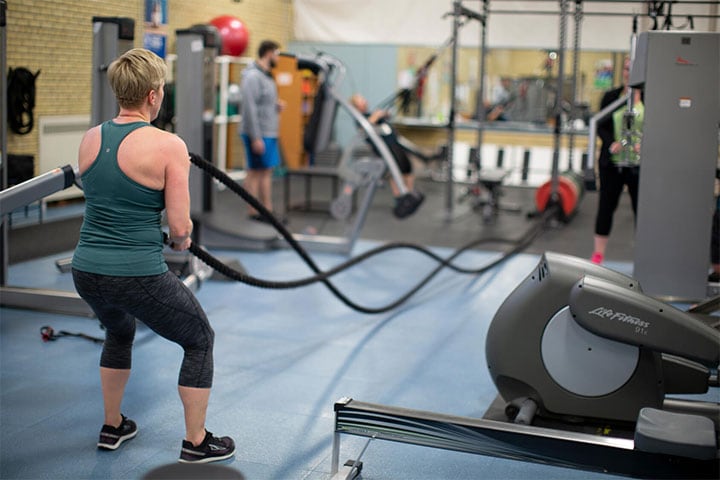 As a resident or fellow at Mayo Clinic in Arizona, you have access to PerkSpot, a Mayo Clinic employee discount program. PerkSpot provides you with many well-being options. Mayo Clinic residents or fellows at our three campuses can get discounted membership fees to area gyms.
All Mayo employees, including Arizona learners, can also sign up to take live virtual fitness classes or view recorded fitness classes offered by the Dan Abraham Healthy Living Center (DAHLC).
Groups on campus
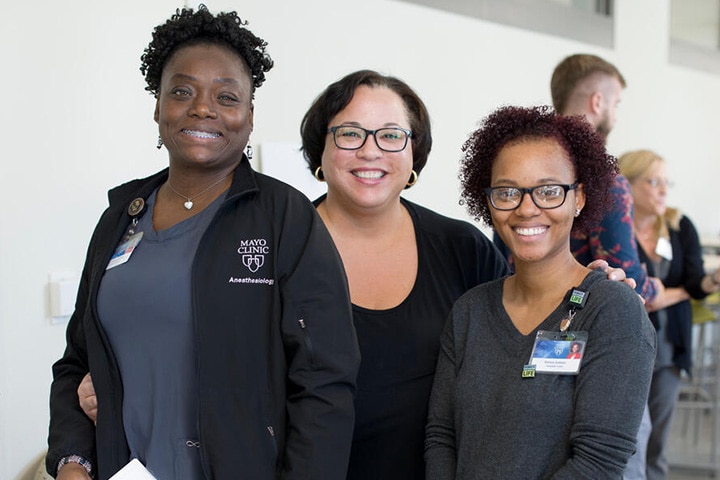 Opportunities to join a variety of groups on campus provide regular social activities and can help enhance your training while connecting with a broad group of peers.
Trainees have the opportunity to join a Mayo Employee Resource Group (MERG) at any time during their training program. MERGs are employee-led affinity groups to promote belonging, increase cultural awareness, and foster an environment of respect and inclusivity. Any Mayo Clinic employee can join a group of interest and choose their level of involvement.
Well-being
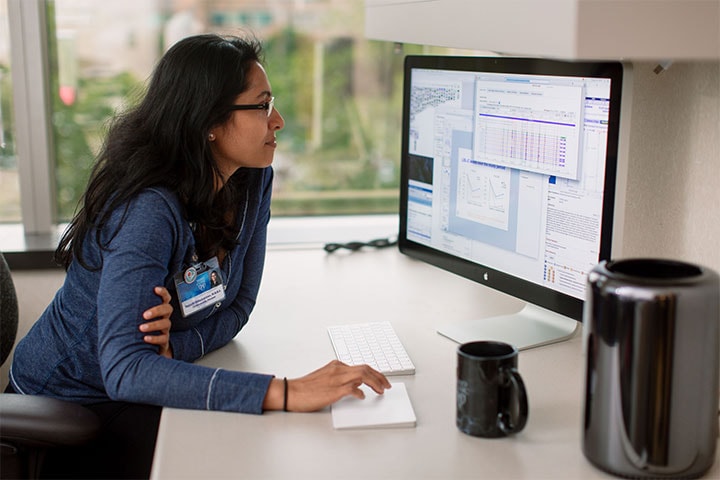 The Office of Academic Support and Well-Being provides resources to promote academic, emotional, social, cognitive, financial, and physical well-being. Career and academic services include academic advising, peer tutoring, and accommodations for learners with disabilities or health conditions. Mental health services, counseling, interview practice, and a variety of enrichment sessions on topics like budgeting, resiliency, and stress and burn-out are also available through the Academic Support and Well-Being office.
Mayo Fellows Association (MFA)
The Mayo Fellows Association (MFA) offers a peer and social support network for residents and fellows and their families with social events, athletics, and advocacy. The MFA also holds an annual resident and fellow appreciation event open to all trainees with complimentary massages, stress-reducing activities, and social support.
Belonging
At Mayo Clinic, we're committed to recruiting a workforce reflective of our broader community in order to provide the best care for our diverse patient population.
You'll have the opportunity to be a part of:
- Mayo Employee Resource Groups (MERGs) are employee-led affinity groups to promote belonging, increase cultural awareness, and foster an environment of respect and inclusivity. Any Mayo Clinic employee can join a group of interest and choose their level of involvement.
- The OUTList, an internal resource created by the LGBTI MERG that promotes community, visibility, and mentoring among Mayo's faculty, staff, and trainees by identifying mentors within Mayo Clinic interested in being a resource for others. All Mayo employees are welcome to contact individuals on the OUTList for advice and networking.
- The Student National Medical Association and National Medical Association conferences, which provide a place for you to share and learn belonging and inclusion best practices.
- The Mayo Clinic Trainee Belonging Committee, a group that recruits and mentors applicants, including those from underrepresented backgrounds in medicine.
More from Mayo Clinic School of Graduate Medical Education
/0x0:512x512/prod01/channel_2/media/mccms/content-assets/academics/residencies-and-fellowships/3319834_0363-512X512.jpg)
Choosing Mayo Clinic
/0x0:512x512/prod01/channel_2/media/mccms/content-assets/shared-documents/campus-AZ-3180811-0001-pic-tile.jpg)
Phoenix/Scottsdale, AZ
/0x0:512x512/prod01/channel_2/media/studio-sites/mccms-reference-guide/512X5121676671_3824027_0010_C.jpg)
/0x0:440x220/prod01/channel_2/media/mccms/content-assets/campus-amp-community/arizona/440X220_sidebar-mayo-clinic-phoenix-arizona-is453080663.jpg)